
Polyaluminium chloride (PAC) is one of the most widely used coagulants in municipal drinking water plants, industrial wastewater treatment, papermaking, and textile effluent treatment. It is effective, fast-acting, and cost-efficient — but it only performs well when it is dosed consistently and accurately. That is exactly where a PAC dosing pump becomes critical. Under-dosing leaves turbidity and colour in the treated water; over-dosing wastes chemicals, raises sludge volume, and can disturb downstream biological processes. The dosing pump therefore sits at the centre of the entire coagulation stage.
This guide explains how PAC dosing pumps work, what to look for when selecting one, which factors affect quotation and total cost, and how to install and maintain a dosing system so that it stays accurate over years of continuous operation. It is written for plant engineers, EPC contractors, and procurement teams who are comparing chemical dosing pump for water treatment options from different suppliers.
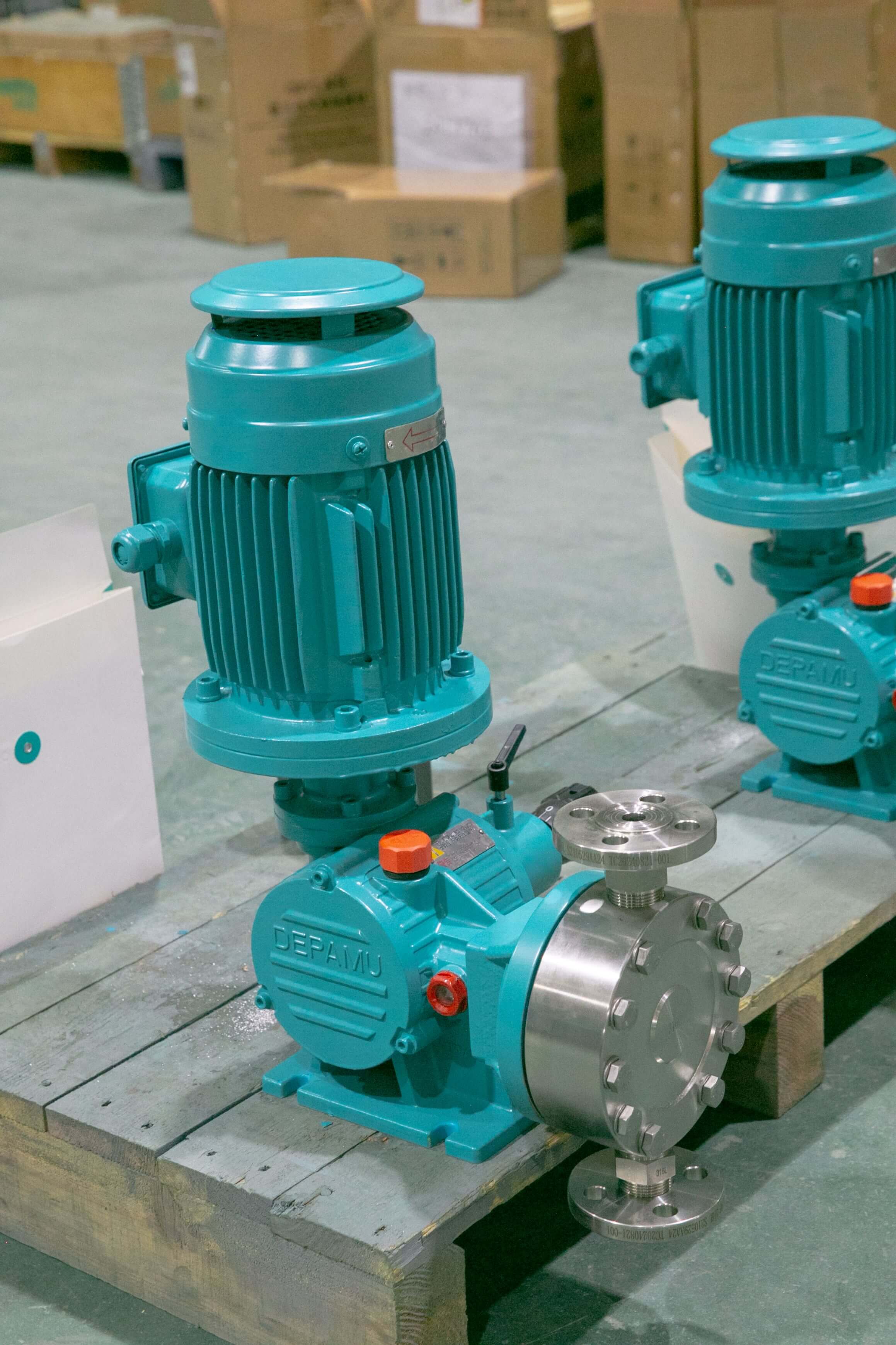
What Is a PAC Dosing Pump and Why Does Precision Matter?
A PAC dosing pump is a positive-displacement metering pump that injects a precisely controlled volume of polyaluminium chloride solution into a process stream, pipeline, or reaction tank. Unlike a transfer pump, which is judged mainly by flow capacity, a dosing pump is judged by repeatability: the same set point must deliver the same volume today, next month, and after 8,000 hours of operation.
The reason precision matters so much with PAC is the nature of the chemical itself. PAC solutions are mildly acidic, contain suspended solids, and tend to form scale or sediment when they are exposed to air, temperature swings, or long residence times in tanks and lines. A pump that loses 10–15% of its set flow over time will silently shift the coagulation equilibrium. Operators then compensate by increasing the coagulant feed manually, which drives chemical consumption up and makes the treatment process harder to control.
Accurate dosing also matters for compliance. Many discharge permits set limits on residual aluminium and turbidity, and many drinking water regulations require stable coagulant dosing to keep filtered water within specification. A metering pump with stable linear adjustment gives operators a predictable tool for responding to raw water changes — for example when rainfall raises the turbidity of a surface water source.
How PAC Dosing Pumps Achieve Metering Accuracy
Most PAC dosing applications use a diaphragm metering pump, in which a flexible diaphragm separates the pumped liquid from the hydraulic or mechanical drive. Two adjustment variables control the output:
- Stroke length — the physical travel of the diaphragm or plunger, typically adjustable from 0 to 100%.
- Stroke frequency — the number of strokes per minute, set by the motor speed, variable frequency drive, or an electronic controller.
Combining these two variables gives a wide turndown ratio, so a single pump can cover both the low night-time demand and the high peak demand of a treatment plant without swapping hardware. In hydraulic diaphragm metering pumps, the diaphragm is actuated by hydraulic oil, which distributes the load evenly across the diaphragm surface and allows the pump to work against high discharge pressures while maintaining a leak-free seal. This is why hydraulic diaphragm metering pump designs are common in high-pressure boiler water treatment, chemical injection, and process dosing duties.
Key Selection Criteria for a PAC Dosing Pump
Selecting a PAC dosing pump is not simply a matter of matching a flow rate on a datasheet. The pump must suit the chemical, the process, the control architecture, and the maintenance resources available on site. The table below summarises the parameters that most often determine whether a dosing installation performs well.
| Selection Parameter | Why It Matters | Practical Consideration |
|---|---|---|
| Dosing flow range | Sets the usable capacity and turndown of the pump | Size for peak demand, then check that the minimum set point remains within the pump’s controllable range |
| Discharge pressure | Determines whether the pump can overcome line loss and injection point pressure | Add a safety margin above the calculated system pressure, especially for in-line injection |
| Wetted materials | PAC solutions are acidic and mildly corrosive | Select pump head, valve, and diaphragm materials compatible with the diluted PAC concentration and temperature |
| Control mode | Manual, remote 4–20 mA, or automatic flow-proportional control | Match the pump controller to the plant SCADA or PLC architecture at the design stage |
| Settling and solids | PAC solutions can carry sediment that blocks check valves | Consider agitation in the storage tank and appropriate valve geometry rather than oversized strainers |
| Duty and environment | Continuous duty and outdoor installation affect service life | Confirm the pump is rated for continuous operation and specify weather protection where required |
For plants that prefer a single packaged solution, an automatic chemical dosing device integrates the metering pump with a dissolution tank, agitator, level instrumentation, piping, valves, and a control cabinet on one skid. This configuration reduces site assembly work considerably, because the unit is assembled and tested before delivery and only needs piping and power connections on arrival.
Applications of PAC Dosing Pumps in Water and Wastewater Treatment
Coagulant dosing appears in far more processes than many operators initially expect. A single plant may use several PAC dosing points, each with different flow and control requirements.
- Municipal drinking water plants — PAC is dosed ahead of flocculation basins to remove turbidity, colour, and organic matter; dosing is often flow-proportional.
- Industrial wastewater treatment — coagulation and flocculation stages in textile, paper, printing, and metal-processing effluent use PAC to break stable emulsions and settle suspended solids.
- Chemical and petrochemical plants — process water, cooling water, and effluent treatment trains require reliable coagulant feed under continuous operation.
- Sludge dewatering — PAC or combined coagulant systems condition sludge before mechanical dewatering to improve cake dryness.
- Paper and pulp mills — PAC is used in white water clarification and fibre recovery circuits.
- Water reuse and desalination pre-treatment — coagulation upstream of ultrafiltration or membrane trains protects membranes from fouling.
Each of these duties has its own characteristics. Municipal plants usually prioritise smooth automatic control and low maintenance, while industrial effluent plants often deal with variable quality and need a pump that tolerates concentration changes and occasional sediment. In both cases, a diaphragm metering pump for PAC dosing is normally the preferred choice because the diaphragm isolates the drive from the chemical and provides a leak-free seal.
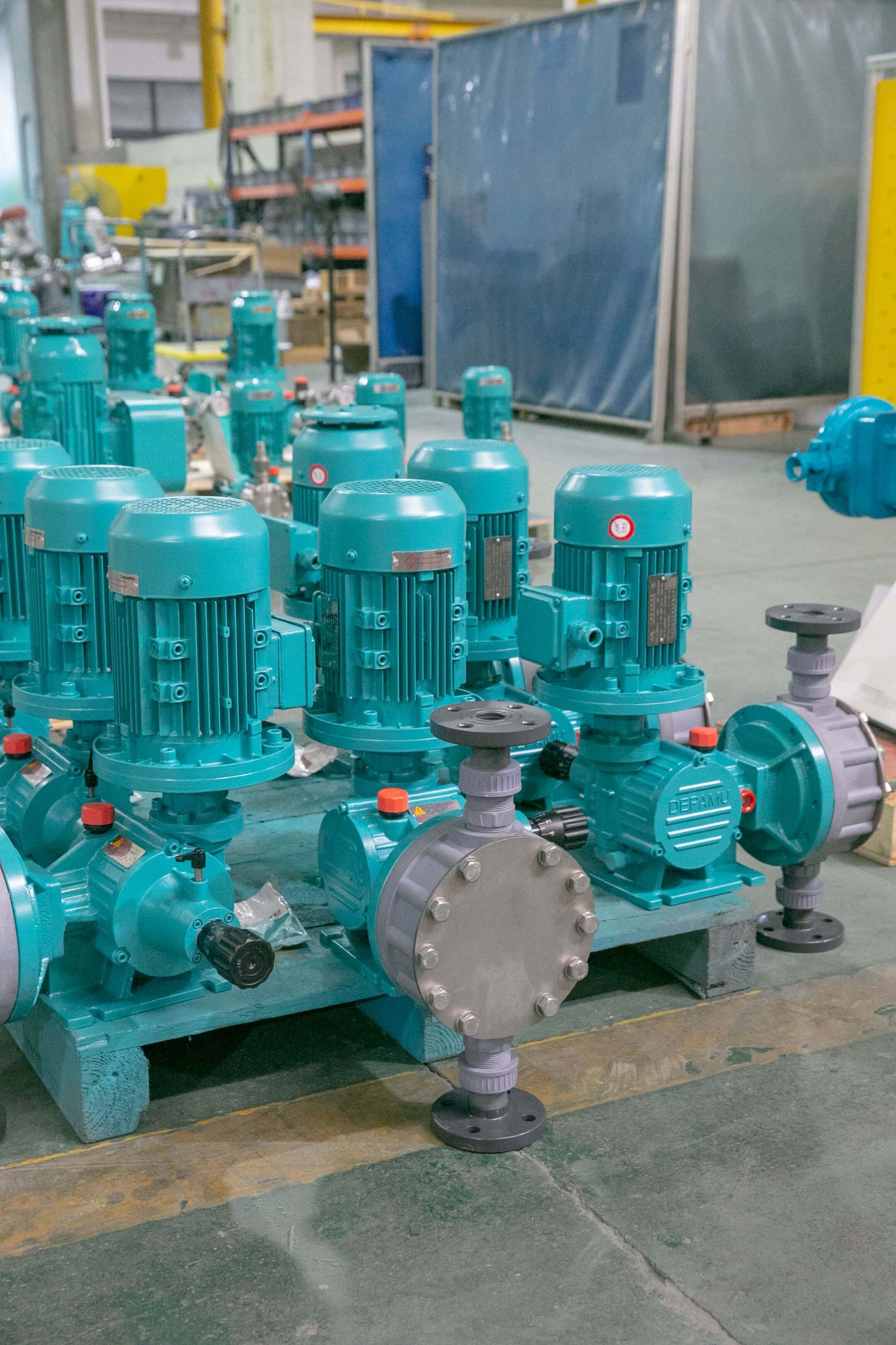
What Influences PAC Dosing Pump Price and Quotation?
Buyers frequently ask why quotations for what appears to be the same duty vary so widely between suppliers. The answer is that a dosing quotation is really a specification document, and small differences in specification translate into large differences in price and service life. The main cost drivers are:
- Flow and pressure rating — higher pressure requires heavier hydraulic components and a stronger drive.
- Material of construction — standard materials versus corrosion-resistant alloys or specialised elastomers for aggressive media.
- Pump type — mechanical diaphragm, hydraulic diaphragm, or plunger designs have different cost and performance profiles.
- Control and automation — manual stroke adjustment is the simplest option; variable frequency drives, 4–20 mA control, and integrated skid control add scope.
- Packaging — a bare pump, a pump with accessories, and a complete automatic chemical dosing device are three different products with three different price levels.
- Compliance and documentation — material certificates, testing reports, and project documentation are part of the deliverable for many EPC projects.
When comparing quotations, it is worth asking each supplier to state the assumed duty point, the turndown ratio, the wetted materials, and the control interface explicitly. A low-priced offer that is undersized for peak flow, or that uses an unsuitable diaphragm material, will usually cost more over the life of the plant than a correctly specified unit.
Installation and Maintenance Best Practices
Installation
Mount the pump on a rigid base close to the suction source so that the suction line is short and free of high points where air can collect. Keep the suction line generously sized, install a strainer appropriate to the solution, and provide a pulsation dampener on the discharge side if the injection point is far away or if the process is sensitive to pressure pulses. For PAC service, a calibration cylinder and a pressure relief valve on the discharge line make both verification and protection straightforward.
Maintenance
Maintenance of a PAC dosing pump is mostly about preventing sediment build-up and verifying accuracy. A practical routine includes:
- Check and clean suction strainers and check valves on a fixed schedule.
- Verify actual delivered flow against the set point using a calibration column; record the result.
- Inspect diaphragms and seals for wear or chemical attack, and replace them at planned intervals rather than after failure.
- Flush the pump head with clean water before long shutdowns to prevent PAC residue from crystallising inside valves.
- Check hydraulic oil level in hydraulic diaphragm pumps and top up as required.
- Review the control signal path — sensor, controller, and pump — so that the loop remains accurate, not just the pump.
Why Work With an Experienced PAC Dosing Pump Manufacturer
Depamu (Hangzhou) Pump Industry Technology Co., Ltd. has focused on high-end positive displacement pumps and fluid equipment since 2003. The company operates a plant of approximately 35,000 square metres with more than 400 employees and provides products under the Depamu, Kenirova, and Delap brands. Its product range covers metering pumps, high-pressure process reciprocating pumps, pneumatic and electric pumps, automatic chemical dosing devices, water and steam sampling systems, water treatment equipment, and screw, rotary lobe, and gear pumps.
For coagulant dosing duties, the relevant capability is the combination of metering pump know-how with complete system integration. Because the company designs and manufactures both the pump and the dosing skid, the pump, tank, agitator, piping, and control cabinet are matched to the same process data rather than assembled from separate sources. Systems are assembled and tested before shipment, which shortens commissioning on site.
Depamu products are used across petroleum refining and chemicals (approximately 41% of sales), oil and gas fields (approximately 23%), nuclear power, power generation, metallurgy and new energy (approximately 15%), environmental and water treatment (approximately 13%), and new materials and food (approximately 3%). Sales have grown steadily from approximately RMB 450 million in 2023 to approximately RMB 510 million in 2024 and approximately RMB 560 million in 2025. For buyers evaluating a PAC dosing pump supplier, this breadth of process experience is relevant: the same engineering team that specifies pumps for refinery and high-pressure process duty also understands the reliability requirements of a municipal water treatment plant.
FAQ
What type of pump is best for dosing PAC solution?
A diaphragm metering pump is generally the best choice for PAC solution. The diaphragm isolates the drive mechanism from the acidic coagulant and provides a leak-free seal, while stroke length and stroke frequency adjustment allow fine control of the dosing rate. For higher discharge pressures or continuous process duty, a hydraulic diaphragm metering pump is often preferred because the hydraulic actuation distributes load evenly across the diaphragm.
How do I size a PAC dosing pump correctly?
Start with the required coagulant dose (usually determined by jar testing), multiply by the maximum treated water flow, and convert to a diluted PAC solution flow rate using the prepared solution concentration. Then add a margin for peak demand and confirm that the minimum expected dose still falls within the pump’s controllable turndown range. Finally, check the discharge pressure against the injection point pressure plus line losses.
Why does my PAC dosing pump lose accuracy over time?
Accuracy loss is usually caused by partially blocked suction strainers or check valves, air entering the suction line, worn diaphragms, or sediment accumulating in the pump head. PAC solutions can crystallise or settle if the pump sits idle for long periods without flushing. Regular calibration checks with a measuring cylinder will show whether the loss is in the pump hydraulics or in the control signal.
Can a PAC dosing pump be integrated into an automatic dosing system?
Yes. An automatic chemical dosing device combines the metering pump with a dissolution tank, agitator, level instrumentation, valves, piping, and a control cabinet on a single skid. It supports dry powder or liquid chemical make-up, single or multiple dosing points, and automatic control linked to plant flow or water quality signals. Because the skid is assembled and tested before delivery, site work is limited to piping and electrical connections.
What factors affect the price of a PAC dosing pump?
The main factors are flow and pressure rating, wetted materials, pump type, control mode, whether the scope includes a complete dosing skid or only the pump, and the documentation required for the project. Comparing quotations at the same duty point, with the same materials and control interface, is the only way to compare prices fairly.
How often should a PAC dosing pump be maintained?
A practical schedule includes weekly inspection of strainers and check valves, monthly or quarterly flow calibration checks, planned diaphragm and seal replacement based on operating hours, and flushing of the pump head before extended shutdowns. Sites handling concentrated PAC solution generally need more frequent flushing than sites using diluted solution.
Summary
A PAC dosing pump is a small component in a large treatment plant, but it directly governs chemical consumption, treated water quality, and compliance. Getting the specification right means matching flow, pressure, materials, and control to the actual process — not simply choosing the lowest-priced unit that fits the pipe. Diaphragm metering pumps, hydraulic diaphragm designs for demanding duties, and packaged automatic chemical dosing devices each serve different installation models, and each has its own cost structure.
For buyers comparing PAC dosing pump options, the most useful next step is to define the duty point precisely, request quotations against the same specification, and ask whether the supplier can support the entire dosing system rather than the pump alone. Manufacturers with in-house design, manufacturing, and system integration capability — such as Depamu, with its long experience in metering pumps, dosing systems, and water treatment equipment — can usually shorten the path from process data to a reliable, commissioned installation.