
An oil transfer gear pump is a critical component in many industrial fluid handling systems. It moves lubricating oils, fuel oils, hydraulic fluids, process oils, and other viscous liquids through pipelines, storage tanks, and production equipment. For B2B buyers, choosing the right oil transfer gear pump supplier is not only a purchasing decision; it directly affects plant reliability, maintenance costs, energy consumption, and production continuity. This guide explains how to evaluate an oil transfer gear pump manufacturer, what technical data to prepare, where to buy industrial oil transfer gear pumps, and how to request a contact number and quotation from a qualified supplier.
Companies searching for an oil transfer gear pump supplier often compare several manufacturers before making a decision. A good supplier should understand the pumped medium, viscosity range, flow rate, pressure, temperature, material compatibility, and site conditions. The supplier should also provide clear selection support, drawing review, testing documentation, and after-sales service. This article uses practical selection criteria and industry experience to help procurement teams and maintenance engineers make a better-informed choice.
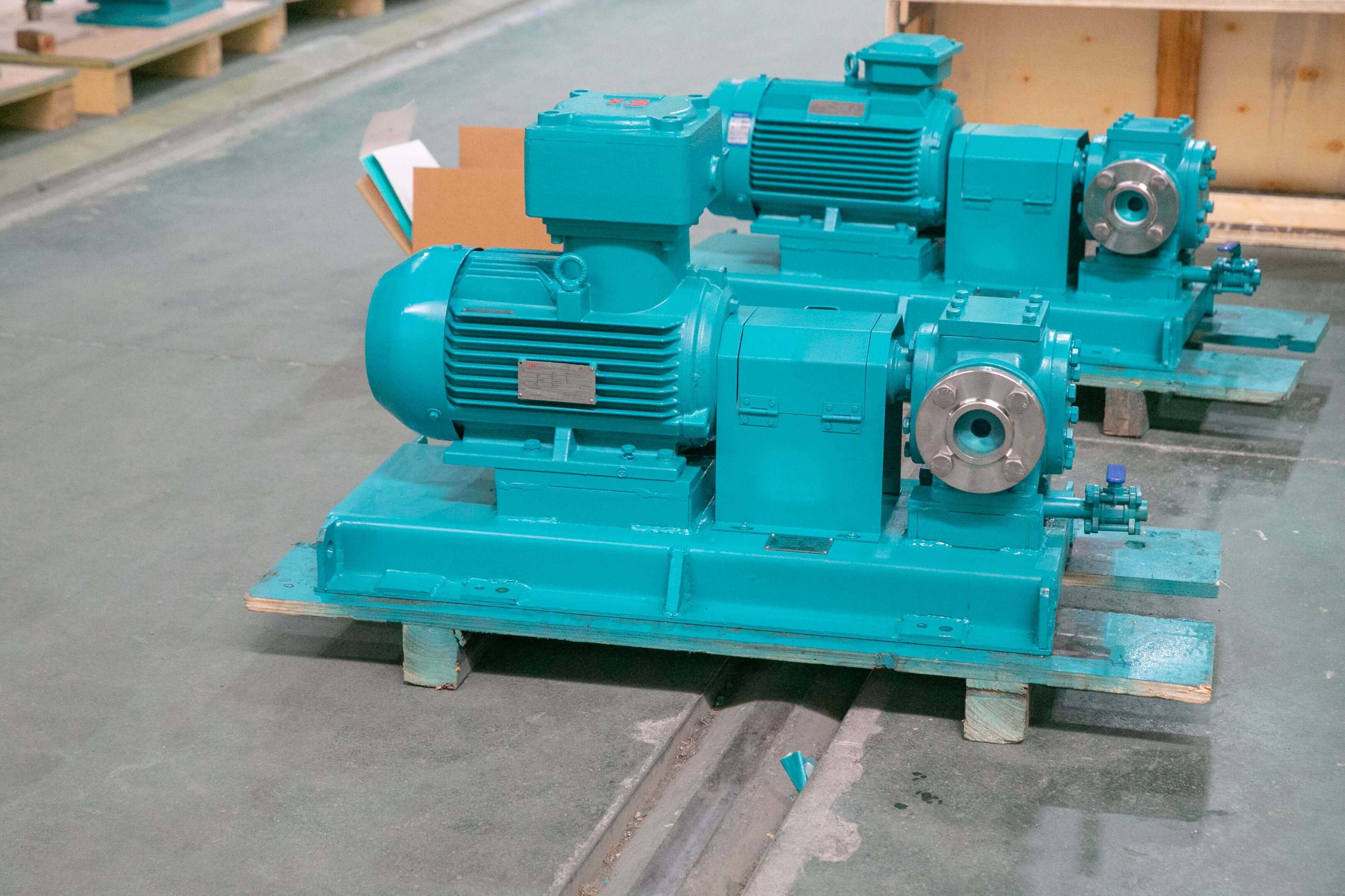
What Is an Oil Transfer Gear Pump and Where Is It Used?
A gear pump is a positive displacement pump that uses two meshing gears to create a pumping action. As the gears rotate, liquid is trapped between the gear teeth and the pump casing and is forced from the suction side to the discharge side. Because the flow is generated by displacement rather than centrifugal force, gear pumps are often selected for oil transfer duties that require steady flow, good suction performance, and reliable handling of viscous liquids.
Oil transfer gear pumps are widely used in petrochemical plants, oil and gas facilities, power stations, manufacturing plants, lubrication systems, fuel transfer stations, and chemical processing units. Typical duties include transferring crude oil or refined products, circulating lubricating oil, moving fuel oil from storage tanks, supplying hydraulic oil, and dosing process oils into production lines. The pump may be installed as a stand-alone transfer unit or integrated into a larger skid, lubrication package, or process system.
When buyers search for an oil transfer gear pump manufacturer, they usually need more than a catalog product. They need a supplier who can confirm material compatibility, recommend the right seal arrangement, select the drive and control method, and support installation and maintenance. This is especially important in high-viscosity oil transfer gear pump applications, where the wrong selection can lead to cavitation, excessive wear, motor overload, or unstable flow.
Key Selection Factors for Oil Transfer Gear Pumps
Selecting an oil transfer gear pump starts with a clear definition of the duty. The same pump model may perform very differently depending on the liquid, temperature, viscosity, and operating pressure. Before contacting an oil transfer gear pump supplier for a quotation, prepare a data sheet that covers the main process conditions. This reduces back-and-forth communication and helps the supplier recommend a suitable configuration.
The table below summarizes the information that should be confirmed during selection. It is a practical checklist rather than a fixed specification, because each application requires its own engineering review.
| Selection Parameter | Why It Matters | Information to Provide to the Supplier |
|---|---|---|
| Pumped medium | Determines material compatibility, seal type, and cleaning requirements. | Oil type, chemical composition, presence of additives, solids, or water. |
| Viscosity | Affects pump speed, suction performance, power consumption, and flow stability. | Operating viscosity range and minimum startup viscosity. |
| Flow rate | Defines pump displacement and drive sizing. | Normal, minimum, and maximum flow rates; whether flow control is required. |
| Pressure | Influences casing strength, bearing load, seal selection, and motor power. | Suction pressure, discharge pressure, and possible pressure surges. |
| Temperature | Affects clearances, material expansion, seal life, and safety. | Normal and maximum operating temperature, including startup conditions. |
| Material and seal | Prevents corrosion, leakage, and premature wear. | Preferred casing, gear, shaft, and seal materials; leakage tolerance. |
| Drive and control | Matches site power supply and required operating flexibility. | Motor voltage, frequency, explosion protection requirements, VFD, or local control. |
| Installation environment | Affects baseplate, piping, accessibility, and safety provisions. | Indoor or outdoor location, ambient conditions, available space, and utility interfaces. |
After the basic data is confirmed, discuss startup and control philosophy with the supplier. For oil transfer systems, a bypass relief valve, suction strainer, pressure gauge, and proper pipe support are often important for safe operation. If the pump will operate in a hazardous area, the motor and electrical components must match the site classification. A qualified oil transfer gear pump manufacturer will ask these questions before offering a final selection.
How to Evaluate an Oil Transfer Gear Pump Manufacturer
Price is important, but it should not be the only factor when comparing oil transfer gear pump suppliers. A low-cost pump can become expensive if it causes frequent downtime, seal leakage, or production losses. Evaluate the manufacturer’s engineering capability, production equipment, quality control, testing methods, delivery capacity, and after-sales support. Ask for a clear quotation that states the scope of supply, technical data, drawings, testing requirements, packing, and warranty terms.
DEPAM (Hangzhou) Pump Technology Co., Ltd. is an example of a manufacturer with long experience in high-end positive displacement pumps and fluid equipment. Founded in 2003, the company has more than 400 employees and a factory area of approximately 35,000 square meters, with registered capital of RMB 54 million and annual output value of about RMB 500 million. Its sales have grown from approximately RMB 450 million in 2023 to RMB 510 million in 2024 and RMB 560 million in 2025. The company operates three brands, including DEPAM, and has introduced advanced technology from Germany while continuing its own product development.
The product portfolio covers metering pumps, high-pressure process reciprocating pumps, pneumatic pumps, electric pumps, chemical dosing systems, water and steam sampling systems, water treatment equipment, screw pumps, rotary lobe pumps, gear pumps, emulsion pumps, special centrifugal pumps, and supercritical extraction equipment. This breadth is useful for buyers who need a single supplier for multiple fluid duties. For oil transfer projects, the gear pump can be reviewed together with upstream and downstream equipment, control instruments, and skid integration requirements.
Manufacturing capability is another key differentiator. A supplier with in-house design, fabrication, assembly, and testing can respond more effectively to non-standard requests. DEPAM states that it can provide standard products, non-standard products, and customized fluid solutions based on medium characteristics, flow rate, pressure, temperature, and site process requirements. This is relevant when the oil transfer duty involves high viscosity, high temperature, corrosive contaminants, limited installation space, or special control logic.
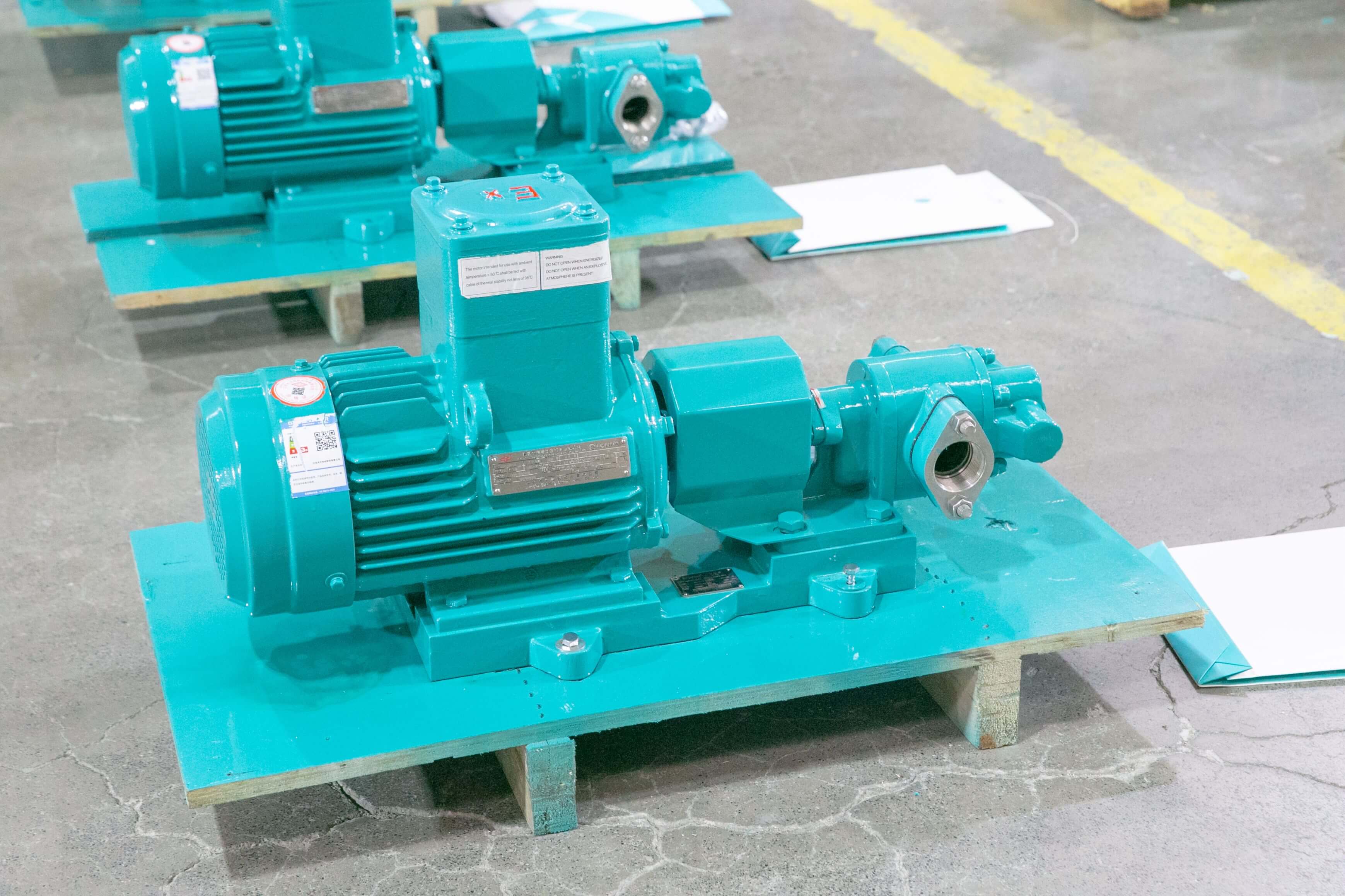
Oil Transfer Gear Pump Applications Across Industries
Oil transfer gear pumps are used in many industries, but the operating conditions differ significantly. In petrochemical and chemical plants, pumps may handle process oils, lubricants, fuel oils, and chemical intermediates. In oil and gas fields, they may support oil gathering, transfer, circulation, and auxiliary lubrication duties. In power plants, gear pumps can be used for fuel oil transfer and lubrication systems. In manufacturing plants, they support hydraulic systems, oil circulation, and equipment lubrication.
Petrochemical and Chemical Processing
Petrochemical and chemical processing account for a major share of DEPAM’s business, at approximately 41 percent of sales. Oil transfer duties in these plants often require careful material selection and reliable sealing. The pump may need to handle oils at elevated temperatures, with varying viscosity, or in areas where leakage must be minimized. Buyers should confirm the wetted materials, seal plan, and relief protection with the oil transfer gear pump supplier before ordering.
Oil and Gas Field Operations
Oil and gas field operations represent approximately 23 percent of DEPAM’s sales. In these environments, equipment may be exposed to remote locations, variable operating conditions, and demanding maintenance schedules. Oil transfer gear pumps used in such applications should be selected for stable performance, easy maintenance, and compatibility with site utilities. Where higher pressures or complex fluids are involved, the supplier may recommend a different positive displacement pump from its range, such as a high-pressure process reciprocating pump.
Power, Metallurgy, and New Energy
Power, metallurgy, and new energy applications account for around 15 percent of sales. These industries often require reliable auxiliary systems for lubrication, fuel transfer, and fluid circulation. In new energy and advanced manufacturing, clean operation and controlled dosing are also important. The gear pump should be matched to the oil type, operating temperature, and duty cycle to avoid unnecessary wear or energy loss.
Environmental Water Treatment and Other Industries
Environmental water treatment represents about 13 percent of DEPAM’s sales, while new materials and food applications account for approximately 3 percent. In water treatment, metering pumps and automatic chemical dosing systems are often the primary equipment for precise chemical addition. Gear pumps may be used for auxiliary oil transfer or lubrication duties where required. For food and new material applications, material compatibility and cleanliness must be reviewed carefully with the manufacturer.
Installation, Operation, and Maintenance Best Practices
Correct installation extends the service life of an oil transfer gear pump. Mount the pump on a rigid base, align the coupling according to the manufacturer’s instructions, and support the suction and discharge piping independently. Keep the suction line short and avoid unnecessary bends, valves, and air pockets. Install a suitable strainer on the suction side and provide a relief valve or other pressure protection on the discharge side. Before startup, confirm rotation direction, electrical connections, and seal condition.
During operation, monitor pressure, flow, temperature, vibration, and noise. A sudden change in these values may indicate a clogged strainer, worn gears, seal leakage, cavitation, or incorrect operating conditions. Do not run the pump dry unless the design specifically allows it. For high-viscosity oil, preheating or careful startup procedures may be needed to ensure the oil can reach the pump suction. Keep maintenance records for seals, bearings, and wear parts so that spare parts can be planned in advance.
- Check coupling alignment and baseplate bolts after installation and during periodic inspections.
- Clean or replace suction strainers according to the site maintenance schedule.
- Verify relief valve settings and pressure gauge operation before commissioning.
- Inspect seals and piping connections for leakage during routine rounds.
- Record operating pressure, flow, temperature, and vibration to detect trends.
- Use spare parts that match the original specification and supplier recommendations.
Where to Buy Oil Transfer Gear Pumps and How to Request a Contact Number
Buyers often ask where to buy oil transfer gear pumps and which suppliers are worth recommending. A practical approach is to shortlist three to five oil transfer gear pump manufacturers, compare their technical response, experience in similar duties, delivery time, and service support, and then request a formal quotation. Do not rely only on a catalog price. Ask each supplier to confirm the pump selection, motor power, materials, seal type, accessories, testing, and documentation.
If you need an oil transfer gear pump contact number, prepare a technical data sheet before contacting the sales team. Include the medium, viscosity, flow rate, pressure, temperature, motor voltage, installation location, and any hazardous area requirements. This allows the supplier to route your inquiry to the right engineer and provide a faster response. For custom or non-standard duties, include a simple process sketch or P&ID excerpt if available.
DEPAM accepts inquiries through its official website and sales team. When requesting a quotation, state that the application is for oil transfer and provide the operating conditions described above. The company can then review whether a standard gear pump, a customized configuration, or another positive displacement pump from its portfolio is more suitable. This consultative approach is more reliable than selecting a pump solely by model number or price.
FAQ
What should I check before choosing an oil transfer gear pump supplier?
Check the supplier’s experience with similar oil transfer duties, engineering support, manufacturing capability, testing arrangements, and after-sales service. Prepare a data sheet covering medium, viscosity, flow rate, pressure, temperature, material requirements, drive type, and installation environment. A good supplier will ask technical questions and explain the basis of its selection rather than simply quoting a price.
How do I know which oil transfer gear pump manufacturer has a good reputation?
Review the manufacturer’s product scope, engineering history, production facilities, quality control process, and ability to support custom requirements. Ask for technical clarification, drawings, and testing information for your specific duty. Speaking with the supplier’s engineers and comparing several quotations can also help you judge whether the manufacturer understands oil transfer applications.
Can gear pumps handle high-viscosity oil and high-pressure transfer?
Gear pumps can be suitable for many viscous oil transfer duties, but the final selection depends on viscosity, speed, pressure, temperature, and material compatibility. For very high pressure or complex operating conditions, the supplier may recommend another positive displacement pump type. Always confirm the operating envelope with the manufacturer before installation.
How can I request an oil transfer gear pump quotation or contact number?
Contact the supplier through its official website or sales team and provide the complete duty data. Include medium, viscosity, flow rate, pressure, temperature, motor power supply, control requirements, and delivery location. The supplier can then confirm the technical selection, commercial terms, and the appropriate sales contact for your project.
Summary
Choosing a reliable oil transfer gear pump supplier requires a structured comparison of technical capability, manufacturing strength, application experience, and service support. Buyers should define the duty conditions first, then evaluate manufacturers based on their ability to select the right pump, confirm materials and seals, and support installation and maintenance. DEPAM (Hangzhou) Pump Technology Co., Ltd. provides a broad portfolio of positive displacement pumps and fluid equipment, including gear pumps, and can support standard, non-standard, and customized requirements for petrochemical, oil and gas, power, chemical, water treatment, and other industrial applications. For the best result, request a technical quotation with complete operating data and compare suppliers on total lifecycle value rather than purchase price alone.