
When it comes to industrial fluid handling, rotary piston pumps stand out as reliable workhorses capable of managing high-pressure, complex media applications. Whether you’re in the oil and gas sector, chemical processing, or any industry requiring precise fluid transfer under demanding conditions, choosing the right rotary piston pump supplier becomes critical. This comprehensive guide explores everything you need to know about these specialized pumps, from their core functionality to selecting the perfect manufacturer for your needs.
Understanding Rotary Piston Pump Technology
Rotary piston pumps belong to the positive displacement pump family, designed specifically for high-pressure applications where precise flow control matters most. Unlike centrifugal pumps that rely on velocity, these robust devices use a rotating piston mechanism to move fluid through the system with exceptional accuracy. The core advantage lies in their ability to maintain consistent flow rates regardless of system pressure changes – a critical feature for chemical dosing, hydraulic systems, and pressure testing applications.
The working principle involves a rotating piston that creates chambers of varying volumes as it turns. As the piston rotates, it draws fluid into the chamber during the suction phase and pushes it out during the discharge phase. This reciprocating motion enables the pump to handle viscous fluids, slurries containing solids, and even corrosive chemicals when properly material-selected. The absence of valves in the fluid path reduces wear points and enhances reliability in continuous-duty applications.
Key Selection Criteria for Industrial Applications
Choosing the right rotary piston pump requires careful evaluation of several technical parameters that align with your specific operational requirements:
- Pressure Rating: Industrial applications often demand pumps capable of generating pressures from 100 bar up to 1,000 bar (14,500 psi). Verify the pump’s maximum working pressure exceeds your system requirements by at least 20% to ensure long-term reliability.
- Flow Capacity: Consider both the maximum flow rate (typically measured in liters per minute or gallons per minute) and the minimum stable flow the pump can maintain. Precision applications may require pumps with 0.1% flow accuracy.
- Material Construction: The wetted components must resist corrosion from the processed fluids. Common materials include stainless steel 316L for chemical applications, duplex stainless steel for seawater, and Hastelloy for highly corrosive environments.
- Viscosity Handling: While rotary piston pumps excel with viscous fluids, each model has limits. Check the pump’s viscosity rating (typically expressed in centipoise) to ensure compatibility with your media.
- Temperature Tolerance: The pump must withstand both the fluid temperature and ambient operating conditions. Some industrial models operate effectively from -40°C to +200°C (-40°F to +392°F).
Application-Specific Considerations
Different industries impose unique demands on rotary piston pumps. In oil and gas applications, pumps must handle abrasive drilling muds while maintaining precise pressure control for well testing. Chemical processing facilities require pumps that can safely transfer aggressive acids without leakage. The food and beverage industry needs hygienic designs with FDA-compliant materials for product contact surfaces.
For nuclear power applications, pumps must meet stringent safety standards and operate reliably in radiation environments. Water treatment plants rely on these pumps for accurate chemical dosing in disinfection processes. Each scenario requires careful material selection, seal design, and often custom modifications to meet specific operational parameters.
| Industry | Key Requirements | Typical Applications |
|---|---|---|
| Oil & Gas | Abrasion resistance, high pressure | Drilling mud transfer, well testing |
| Chemical | Corrosion resistance, leak-proof | Acid transfer, polymer dosing |
| Nuclear | Radiation resistance, safety | Coolant circulation, waste processing |
| Food & Bev | Hygienic design, FDA materials | Flavor dosing, CIP systems |
Top Rotary Piston Pump Manufacturers Reviewed
The global market features several reputable manufacturers specializing in rotary piston pump technology. When evaluating suppliers, consider their industry experience, customization capabilities, and after-sales support network. Depamump (Hangzhou) Pump Technology Co., Ltd., established in 2003, has emerged as a leading Chinese manufacturer with global reach, serving industries from petrochemical to nuclear power.
What sets Depamump apart is their comprehensive approach – from R&D to custom engineering solutions. Their 35,000㎡ manufacturing facility houses advanced CNC machining centers and testing labs, enabling them to produce pumps with pressure ratings up to 35MPa (5,076 psi) and flow rates from 0.5L/h to 50,000L/h. The company’s three brands – Depamump, Knirova, and Dailupu – offer specialized product lines tailored to different industry requirements.
For international clients, Depamump provides full documentation packages including CE certification, ATEX compliance for hazardous areas, and custom material test reports. Their engineering team works closely with customers to develop solutions for unique applications, whether handling supercritical fluids in renewable energy projects or corrosive chemicals in semiconductor manufacturing.
Customization Capabilities: Beyond Standard Products
While standard rotary piston pumps suit many applications, complex industrial processes often demand customized solutions. Leading manufacturers like Depamump offer extensive modification options to match specific operational parameters:
- Material Upgrades: Selection from 30+ materials including duplex stainless steel, Hastelloy, and titanium for extreme corrosion resistance
- Seal Configurations: Single or double mechanical seals with various elastomer options to handle different chemicals and temperatures
- Control Systems: Integration with PLC or DCS for automated operation, remote monitoring, and flow feedback control
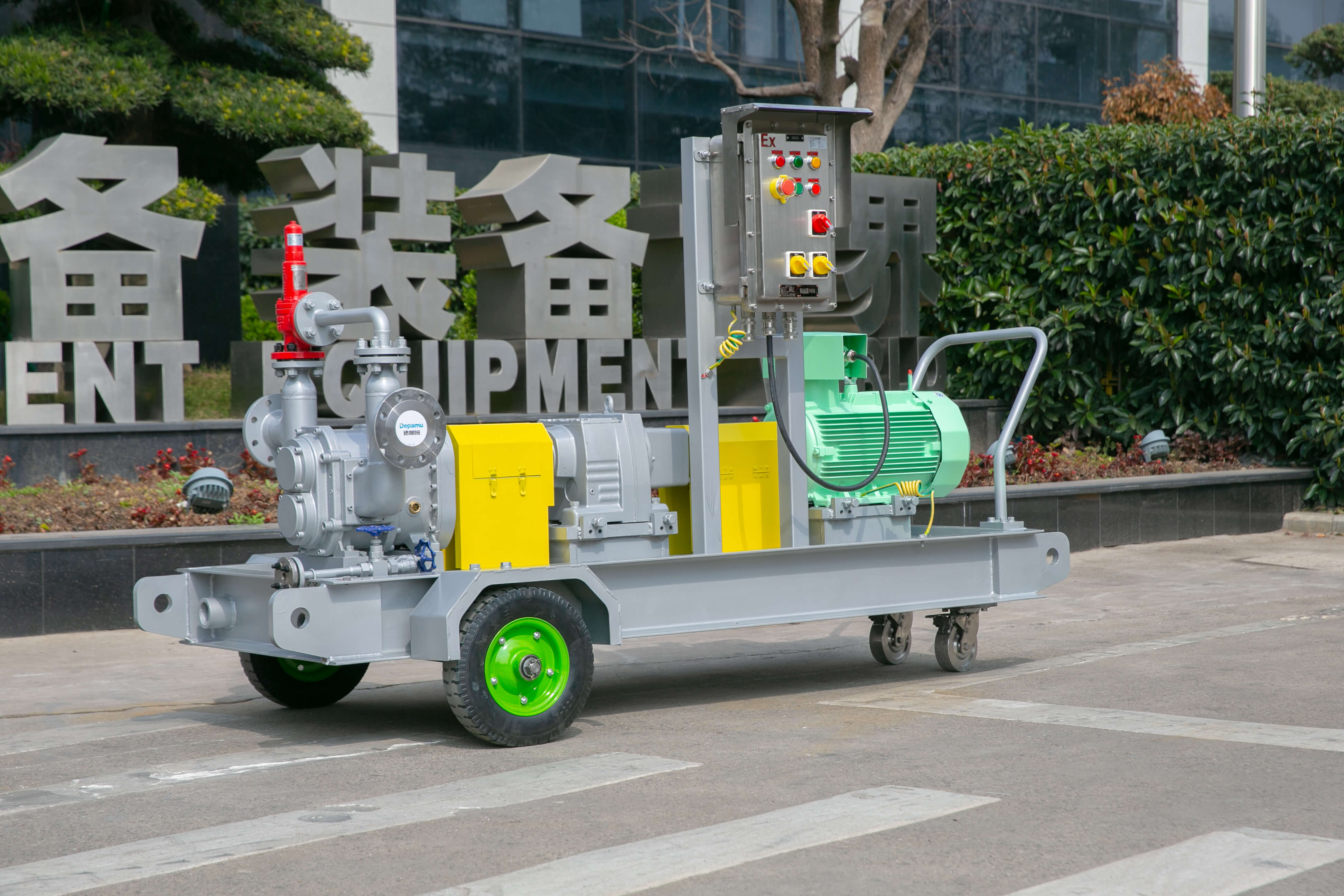
- Mounting Variations: Baseplate-mounted, skid-mounted, or mobile configurations to fit existing infrastructure
- Safety Features: Pressure relief valves, rupture discs, and containment systems for hazardous fluid applications
A notable case involves a Middle Eastern refinery requiring a rotary piston pump for high-temperature tar transfer at 300°C. Depamump engineered a special version with a jacketed pump head for thermal oil circulation, ensuring consistent fluid viscosity during operation. The solution included ATEX-certified components for the explosive environment and a variable speed drive for precise flow control.
FAQ
What makes rotary piston pumps different from other positive displacement pumps?
Rotary piston pumps combine the high-pressure capabilities of reciprocating pumps with the smooth flow characteristics of rotary pumps. Their unique piston-rotating mechanism eliminates valves in the fluid path, reducing wear points and enabling better handling of viscous fluids and slurries containing solids compared to gear or lobe pumps.
How do I determine the right pump size for my application?
Proper sizing requires evaluating three key factors: required flow rate (considering both average and peak demands), system pressure (including pressure drops in piping and valves), and fluid properties (viscosity, temperature, corrosiveness). A reputable manufacturer like Depamump can perform detailed calculations and recommend optimal pump models based on your specific parameters.
Can rotary piston pumps handle abrasive fluids like drilling mud?
Yes, when properly designed. Abrasive applications require special considerations including hardened materials for wetted components, optimized clearance between moving parts to prevent excessive wear, and sometimes surface coatings like tungsten carbide. Depamump offers specialized models with these features for oil and gas drilling applications.
What maintenance is required for these pumps?
Regular maintenance includes checking and replacing seals as needed (typically every 12-24 months depending on application), monitoring bearing temperatures, verifying lubrication levels, and inspecting for leaks. Depamump provides detailed maintenance manuals with each pump and offers training programs for customer personnel. Their global service network can also provide on-site support when needed.
Summary
Selecting the right rotary piston pump supplier requires evaluating both technical capabilities and service support. While several global manufacturers offer standard products, companies like Depamump distinguish themselves through engineering expertise, customization flexibility, and comprehensive after-sales services. Their ability to deliver pumps rated up to 35MPa with flow rates from 0.5L/h to 50,000L/h makes them suitable for diverse industries from petrochemical to nuclear power.
For international clients, key considerations should include the manufacturer’s experience with similar applications, compliance with relevant standards (CE, ATEX, etc.), and availability of local technical support. Customization capabilities often prove critical for complex projects, where standard products cannot meet specific pressure, temperature, or material requirements. By partnering with a supplier that combines technical excellence with responsive service, industrial operations can ensure reliable fluid handling performance for years to come.