
In the world of industrial fluid handling, the three-lobe pump has earned a reputation as a versatile and efficient solution for moving viscous, shear-sensitive, and high-solid-content media. Whether you are in chemical processing, food manufacturing, oil and gas, or water treatment, choosing the right three-lobe pump manufacturer can significantly impact your operational efficiency, product quality, and total cost of ownership. With so many suppliers claiming to offer the best technology, how do you identify a partner that truly understands your process requirements? This guide explores the working principle, advantages, and selection criteria for three-lobe pumps, and highlights why Depamu (Hangzhou) Pump Industry Technology Co., Ltd. has become a trusted name among global buyers seeking reliable three-lobe pump solutions.
What Is a Three-Lobe Pump and How Does It Work?
A three-lobe pump is a type of rotary positive displacement pump that uses three intermeshing lobes (rotors) to move fluid. Unlike centrifugal pumps that rely on velocity, three-lobe pumps trap a fixed volume of liquid between the rotating lobes and the pump casing, then transport it from the suction side to the discharge side. The lobes rotate in opposite directions, creating a sealed cavity that gently pushes the product without excessive shearing or pulsation.
The three-lobe design is particularly effective for handling fluids that are sensitive to shear, contain soft solids, or require gentle transfer. Because the lobes do not come into contact with each other (they are synchronized by timing gears), the pump can run dry for short periods and can handle a wide range of viscosities—from low-viscosity solvents to high-viscosity pastes. The pumping action is smooth and continuous, making three-lobe pumps ideal for applications where product integrity and accurate dosing are critical.
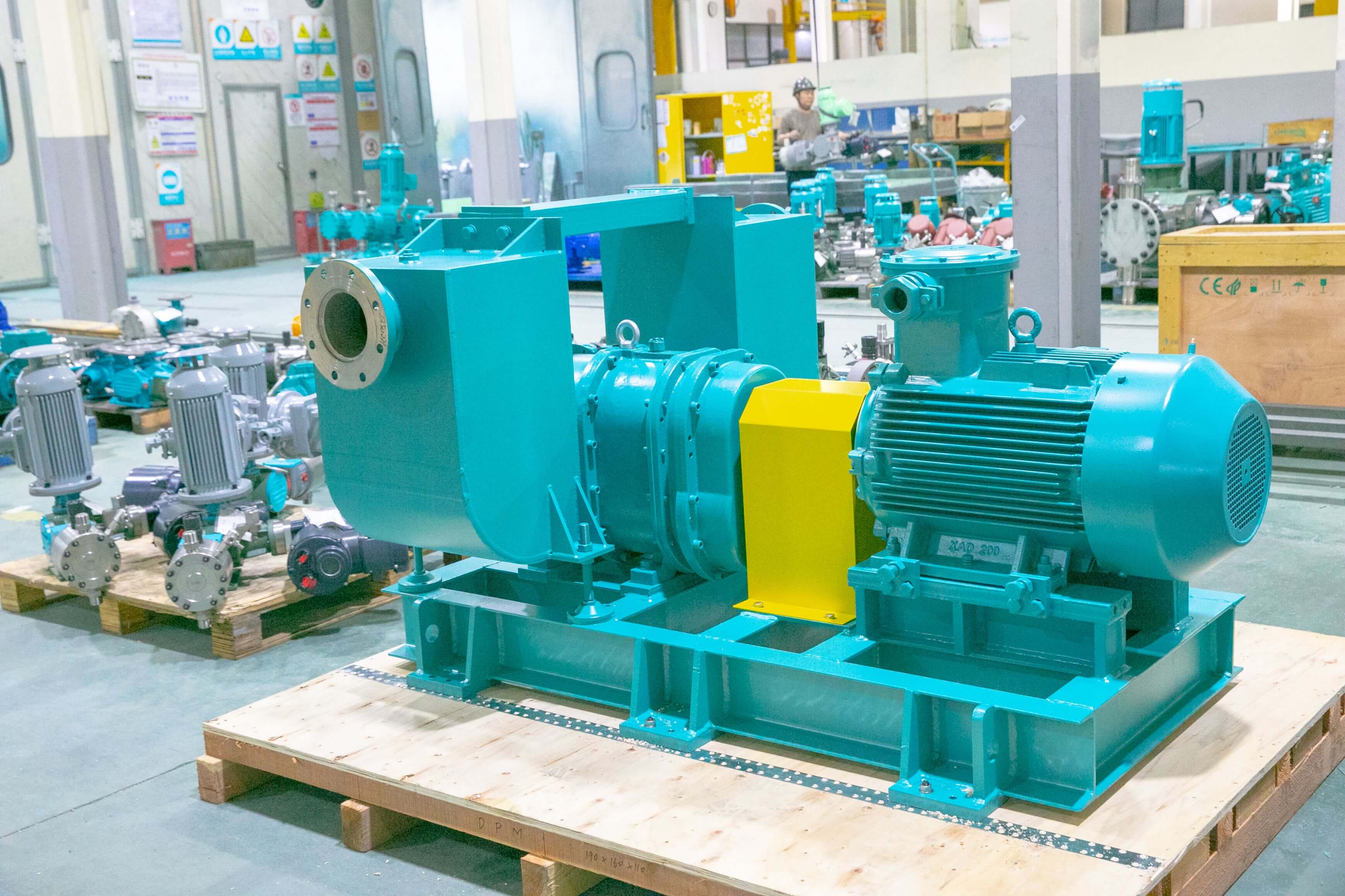
Key Advantages of Three-Lobe Pumps
Three-lobe pumps offer several distinct advantages that make them a preferred choice in many industries. First, their gentle pumping action minimizes product degradation, which is essential for food, pharmaceutical, and cosmetic applications. Second, they provide excellent self-priming capabilities, allowing them to draw liquid from below the pump level without auxiliary equipment. Third, three-lobe pumps are highly efficient and can handle high viscosities with minimal energy loss.
Another key benefit is their ability to handle solids-laden fluids. The large, unobstructed passages between the lobes allow particles to pass through without clogging or damaging the pump. This makes three-lobe pumps suitable for slurries, wastewater treatment, and processes involving fruit pulps or chemical crystals. Additionally, these pumps are easy to clean and maintain, often featuring CIP (clean-in-place) and SIP (sterilize-in-place) capabilities, which reduces downtime and extends service life.
Furthermore, three-lobe pumps are reversible, meaning they can pump in either direction simply by changing the rotation. This flexibility is valuable in applications where flow direction needs to be changed, such as tank filling and emptying or line flushing. The low pulsation and smooth flow also reduce stress on downstream equipment, contributing to a more stable and reliable process.
Typical Applications of Three-Lobe Pumps Across Industries
Three-lobe pumps are used in a wide array of industries, each with its own specific requirements. In the food and beverage industry, they transfer chocolate, syrups, yogurt, fruit concentrates, and other shear-sensitive products without damaging texture or flavor. In chemical processing, they handle aggressive acids, caustic solutions, polymers, and slurries where precise metering and leak-free operation are essential. The oil and gas sector uses three-lobe pumps for crude oil transfer, produced water, and drilling mud, benefiting from their robustness and ability to handle abrasive particles.
Pharmaceutical and biotechnology applications rely on three-lobe pumps for gentle handling of sensitive ingredients, vaccines, and buffers. In water and wastewater treatment, these pumps are used for sludge transfer, chemical dosing, and filter backwashing. The pulp and paper industry utilizes three-lobe pumps for pulp stock, coatings, and starch solutions. Additionally, three-lobe pumps are common in mining, power generation, and new energy sectors for tasks such as slurry transport, fuel oil transfer, and chemical injection.
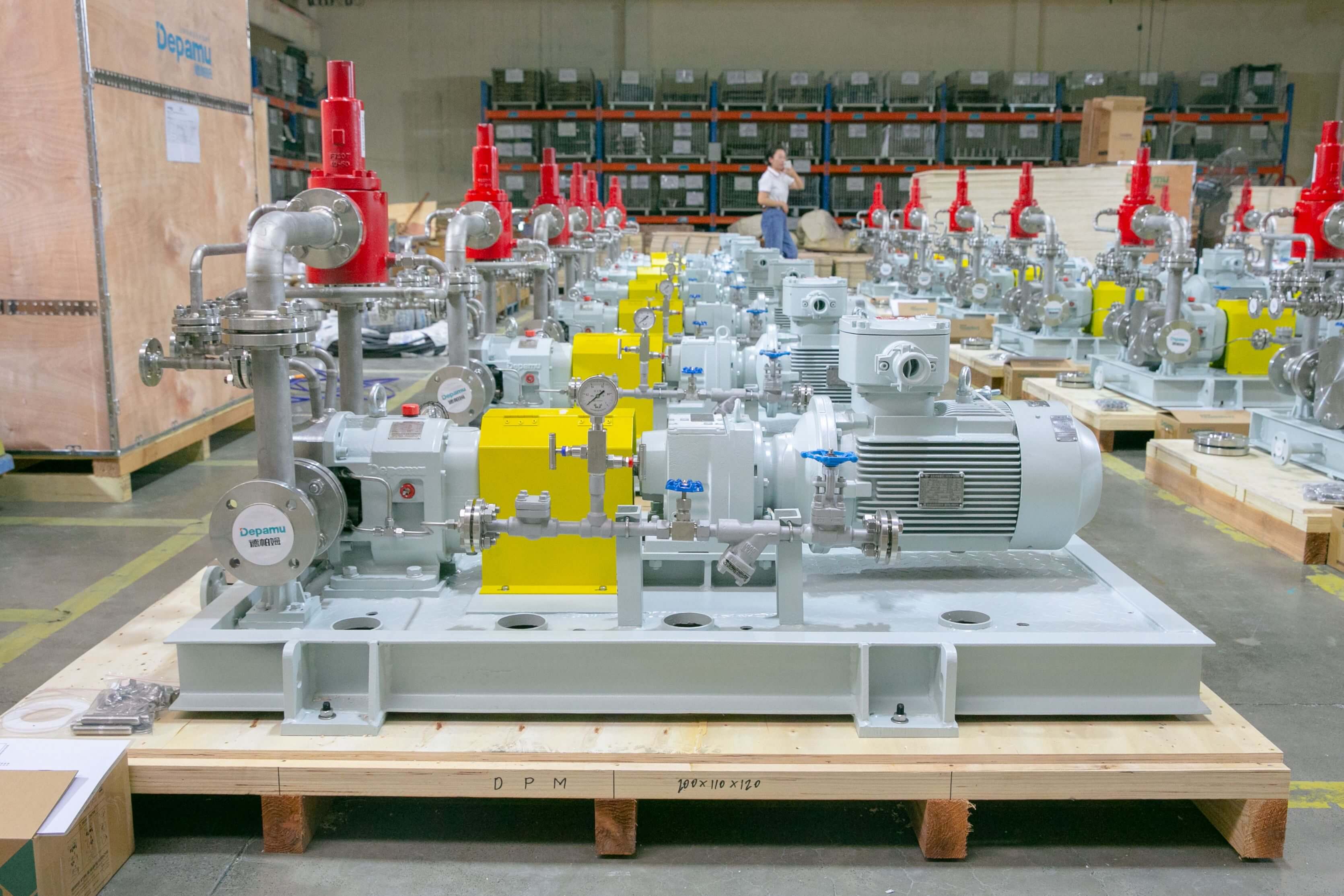
How to Select the Right Three-Lobe Pump for Your Process
Selecting a three-lobe pump requires careful consideration of several process parameters. The most critical factors include flow rate, discharge pressure, fluid viscosity, temperature, solids content, and chemical compatibility. To ensure optimal performance and longevity, it is also important to evaluate the pump’s construction materials, sealing options, drive configuration, and cleaning requirements. The table below outlines the key parameters to review during the selection process.
| Selection Parameter | Considerations and Recommendations |
|---|---|
| Flow Rate | Determine the required capacity (m³/h or GPM) and allow a 10–20% margin for future expansion. Consider viscosity and speed to avoid cavitation. |
| Pressure | Identify the maximum discharge pressure needed. Three-lobe pumps can achieve pressures up to 20 bar or higher depending on the model. |
| Viscosity | Three-lobe pumps handle viscosities from 1 to over 100,000 cP. For high viscosity, use larger inlet ports and lower speeds to ensure smooth filling. |
| Temperature | Consider both fluid and ambient temperatures. Choose seals and elastomers that can withstand the temperature range, such as PTFE or FKM. |
| Solids Content | For fluids with soft solids, select a pump with large clearances and gentle lobe profiles. Avoid pumps with tight clearances that may crush or damage particles. |
| Material Compatibility | Choose wetted materials (e.g., 316L stainless steel, Duplex, or Hastelloy) that resist corrosion and meet hygienic standards (FDA, EHEDG). |
| Sealing Options | Mechanical seals, lip seals, or cartridge seals can be selected based on pressure, temperature, and chemical compatibility. For hygienic applications, use single or double mechanical seals with CIP connections. |
| Drive and Control | Fixed-speed or variable-speed drives can be used to adjust flow. Consider automation requirements, such as remote monitoring and integration with PLC systems. |
Beyond these technical factors, working with an experienced three-lobe pump manufacturer can help you navigate the selection process. A knowledgeable supplier will ask detailed questions about your process, conduct fluid testing if necessary, and recommend a pump configuration that balances performance, reliability, and cost. They can also provide custom solutions, such as special lobe profiles, heating jackets, or mobile skid-mounted units, to meet unique application challenges.
Why Choose Depamu as Your Three-Lobe Pump Manufacturer?
Depamu (Hangzhou) Pump Industry Technology Co., Ltd. has been at the forefront of fluid equipment manufacturing since 2003. With over 400 employees, a 35,000-square-meter production facility, and an annual output value of approximately 500 million RMB, the company has established itself as a leading high-tech enterprise in China’s pump industry. Depamu operates three brands—Depamu, Kenuoluowa, and Dailepu—and offers a comprehensive range of positive displacement pumps, including metering pumps, high-pressure reciprocating pumps, screw pumps, rotor pumps, gear pumps, and three-lobe pumps.
What sets Depamu apart as a three-lobe pump manufacturer is its commitment to innovation and quality. The company introduced advanced German technology and has continuously improved its designs to meet the evolving demands of global industries. Depamu’s products are widely used in petroleum refining and chemical processing (41% of sales), oil and gas fields (23%), nuclear power, electric power, metallurgy, and new energy (15%), environmental water treatment (13%), and new materials and food (3%). This diverse application experience means Depamu understands the unique challenges of different industries and can provide tailored solutions.
Depamu’s manufacturing capabilities include complete in-house research and development, design, production, and assembly. The company can customize three-lobe pumps based on medium characteristics, flow rate, pressure, temperature, and site process requirements. Whether you need a standard pump, a non-standard design, or a fully integrated fluid system, Depamu’s engineering team works closely with customers to deliver reliable and efficient solutions. With a strong focus on quality control, every pump is tested before shipment to ensure it meets performance specifications and industry standards.
In addition to three-lobe pumps, Depamu offers a wide range of fluid equipment, including chemical dosing systems, water sampling devices, and water treatment equipment. This comprehensive product portfolio allows the company to serve as a single-source supplier for many industrial fluid handling needs. Depamu’s sales have grown steadily, reaching approximately 450 million RMB in 2023, 510 million RMB in 2024, and 560 million RMB in 2025, reflecting the trust and satisfaction of its global customer base.
Maintenance Tips for Three-Lobe Pumps
Proper maintenance is essential to maximize the service life and performance of your three-lobe pump. Here are some practical tips to keep your pump running smoothly:
- Regular Lubrication: Follow the manufacturer’s recommendations for lubricating the timing gears and bearings. Use the correct lubricant type and quantity, and check levels regularly.
- Seal Inspection: Inspect mechanical seals for wear, leakage, or contamination. Replace worn seals promptly to prevent product loss and downtime.
- Cleanliness: For hygienic applications, ensure the pump is cleaned and sanitized according to CIP/SIP procedures. For industrial applications, flush the pump after handling aggressive or abrasive fluids.
- Check Clearances: Periodically check the clearance between the lobes and the casing. Excessive clearance reduces efficiency and indicates wear, requiring adjustment or replacement.
- Monitor Vibration and Noise: Unusual vibration or noise can indicate misalignment, worn bearings, or cavitation. Investigate and address these issues immediately.
- Spare Parts: Keep critical spare parts on hand, such as seals, gaskets, and lobes, to minimize downtime in case of unexpected failures.
By following a proactive maintenance schedule, you can avoid costly breakdowns and extend the life of your three-lobe pump. Depamu provides comprehensive after-sales support, including spare parts, technical assistance, and maintenance training, to help customers achieve optimal performance.
FAQ
What is the difference between a three-lobe pump and a gear pump?
Three-lobe pumps and gear pumps are both positive displacement pumps, but they differ in design and application. Three-lobe pumps use three intermeshing lobes that do not contact each other, allowing them to handle larger solids and shear-sensitive fluids with minimal product damage. Gear pumps use closely meshed gears that create a seal, making them better suited for high-pressure, low-viscosity fluids, but they can shear products and are less tolerant of solids. Three-lobe pumps are generally preferred for gentle handling and solids-laden media, while gear pumps excel in high-pressure transfer of clean, lubricating fluids.
Can three-lobe pumps handle high-viscosity fluids?
Yes, three-lobe pumps are excellent for high-viscosity fluids. Their positive displacement design allows them to move thick products efficiently, and they can handle viscosities up to 100,000 cP or more. For very high viscosity, it is important to select a pump with large inlet ports, low operating speed, and appropriate clearances to ensure smooth filling and prevent cavitation. Depamu’s engineering team can recommend the optimal pump configuration based on your fluid’s viscosity and temperature.
How do I choose the right three-lobe pump size?
Choosing the right size requires determining your required flow rate, discharge pressure, fluid viscosity, and temperature. Start by calculating the maximum flow rate needed and add a 10–20% safety margin. Then, select a pump model that can deliver that flow at the required pressure without running at excessive speed. Consider future expansion and ensure the pump can handle the range of viscosities and temperatures in your process. Consulting with a manufacturer like Depamu can help you avoid oversizing or undersizing, which can affect efficiency and reliability.
What is the typical lifespan of a three-lobe pump?
With proper maintenance, a three-lobe pump can last 10 to 15 years or more, depending on operating conditions and duty cycle. Key factors affecting lifespan include fluid abrasiveness, operating speed, pressure, and maintenance practices. Regular inspection of seals, bearings, and lobe clearances, along with timely replacement of worn parts, will maximize service life. Depamu offers high-quality materials and precision manufacturing to ensure long-term reliability in demanding applications.
Are three-lobe pumps suitable for food and pharmaceutical applications?
Absolutely. Three-lobe pumps are widely used in food, beverage, and pharmaceutical industries due to their gentle pumping action, hygienic design, and ability to handle shear-sensitive products. They can be supplied with FDA-compliant elastomers, 316L stainless steel wetted parts, and CIP/SIP cleaning capabilities. Depamu offers hygienic three-lobe pumps that meet stringent industry standards, ensuring product safety and quality.
Summary
Selecting the right three-lobe pump is a critical decision that affects process efficiency, product quality, and operating costs. By understanding the working principle, advantages, and selection criteria, you can make an informed choice that meets your specific application needs. Partnering with an experienced manufacturer like Depamu ensures you receive expert guidance, high-quality equipment, and reliable after-sales support. With over two decades of experience, a comprehensive product portfolio, and a commitment to innovation, Depamu stands out as a reliable three-lobe pump manufacturer for global industries. Whether you are looking to replace an existing pump, upgrade your system, or design a new process, Depamu’s team is ready to help you find the optimal solution.