
In today’s competitive industrial landscape, selecting the right chemical dosing pump supplier is crucial for maintaining operational efficiency, ensuring product quality, and minimizing maintenance costs. As global demand for precision fluid handling solutions grows across petrochemical, power generation, water treatment, and pharmaceutical industries, manufacturers face increasing pressure to deliver reliable, customized equipment that meets stringent performance requirements.
This comprehensive guide examines the top chemical dosing pump suppliers in 2025, analyzing their product portfolios, technological innovations, global reach, and customer support capabilities. We’ll explore key selection criteria, compare leading manufacturers, and provide practical insights to help you make informed purchasing decisions for your specific industrial applications.
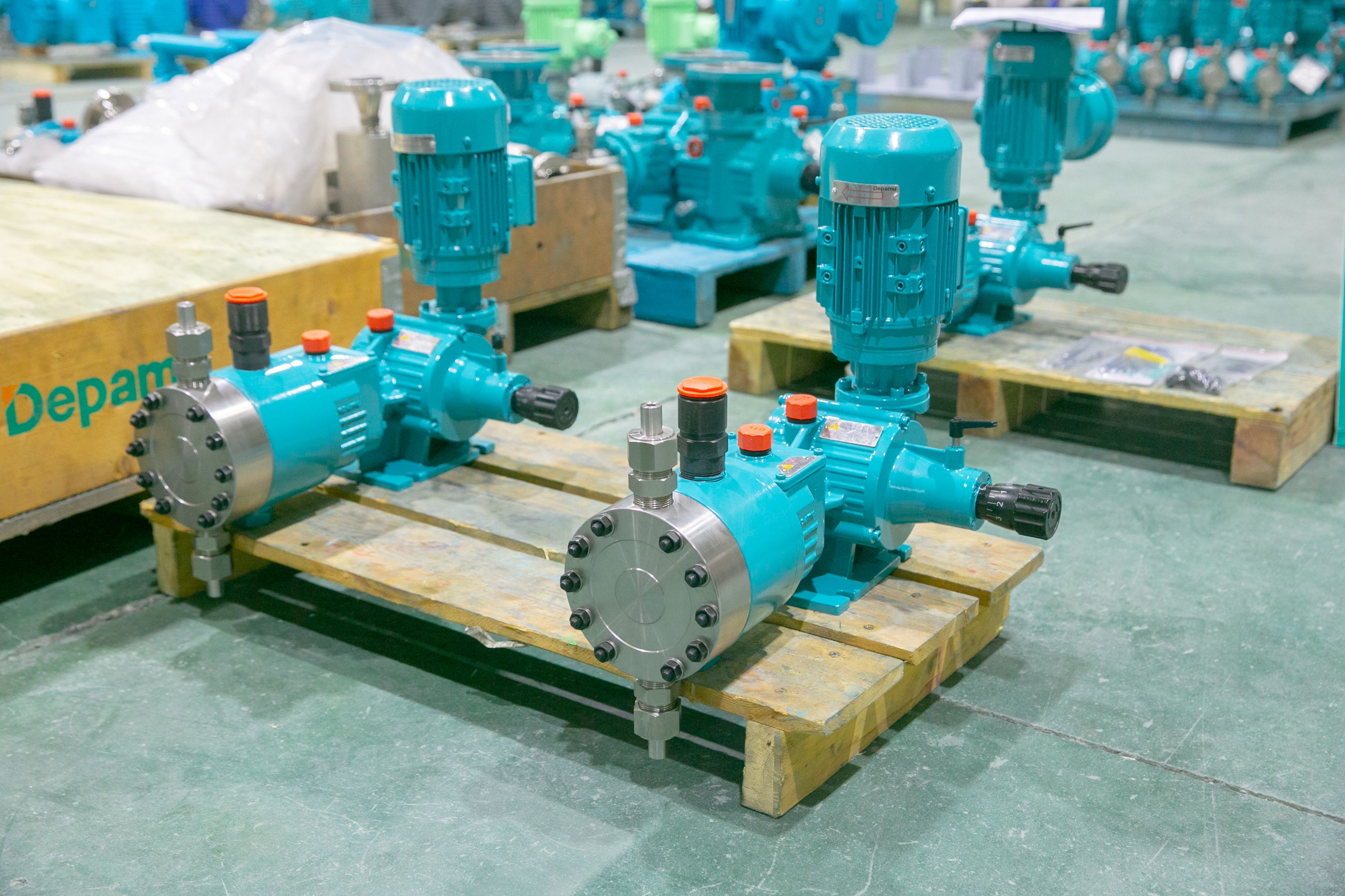
Understanding Chemical Dosing Pump Applications
Chemical dosing pumps play a vital role in numerous industrial processes by precisely injecting chemicals into systems at controlled rates. These specialized pumps must handle diverse media including corrosive acids, viscous polymers, abrasive slurries, and volatile solvents while maintaining accurate flow rates under varying pressure conditions.
Key application areas include:
- Water treatment: pH adjustment, coagulation, disinfection, and scale inhibition
- Petrochemical processing: Catalyst injection, corrosion inhibition, and chemical feed
- Power generation: Boiler water treatment, cooling tower chemical feed
- Pharmaceutical manufacturing: Precise ingredient dosing in sterile environments
- Food and beverage: Sanitizer injection, flavor addition, and preservation
The performance requirements for these applications vary significantly, demanding pumps that can handle specific pressure ranges, flow rates, chemical compatibilities, and environmental conditions. This diversity creates challenges for manufacturers to develop versatile yet specialized solutions.
Top Chemical Dosing Pump Suppliers 2025: Comprehensive Comparison
Based on market research, customer reviews, and technological innovation, we’ve identified several leading chemical dosing pump suppliers making significant impacts in 2025:
1. Depamu Pump Technology (Hangzhou) Co., Ltd.
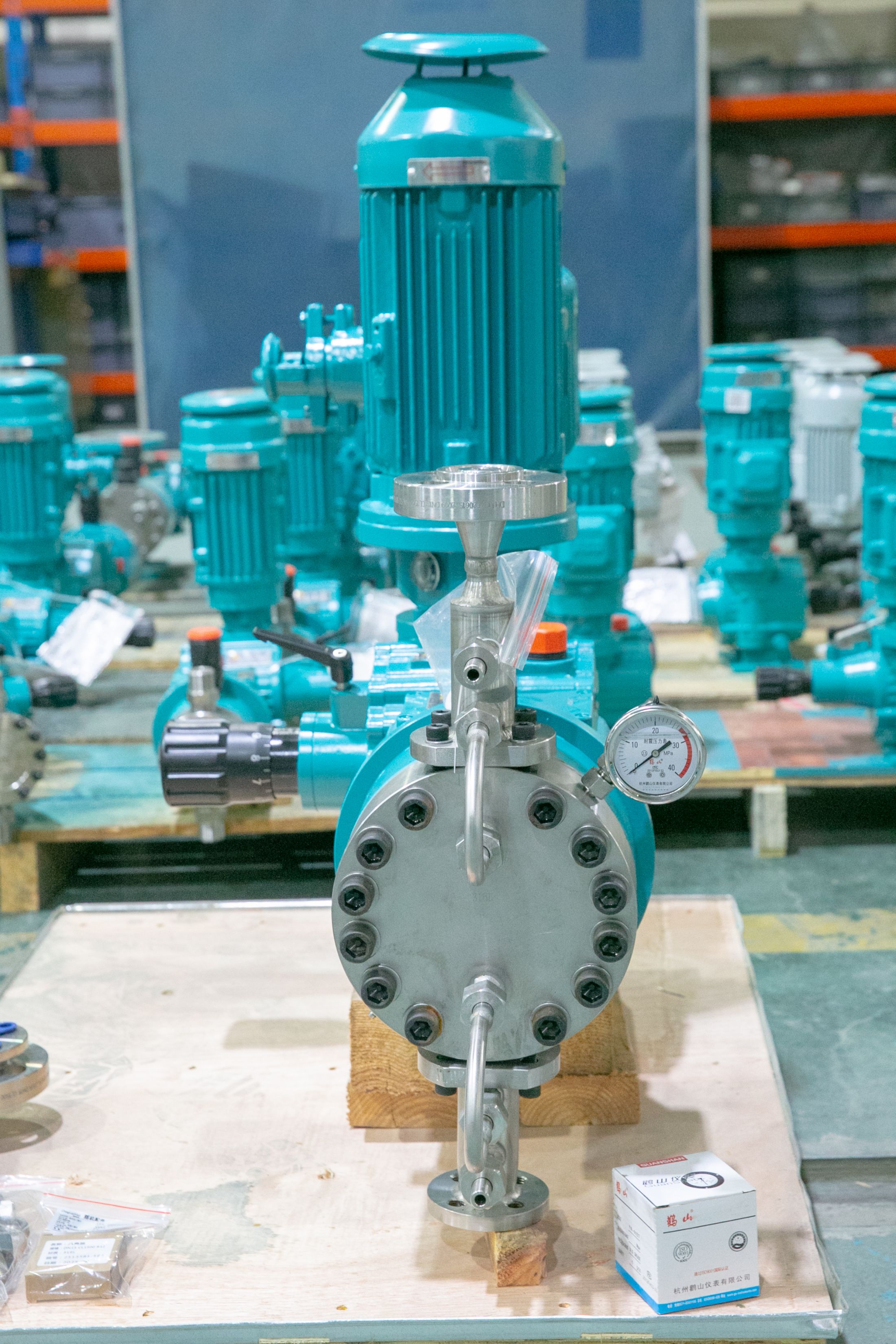
As a global leader in fluid equipment with over two decades of expertise, Depamu Pump Technology offers a comprehensive range of chemical dosing solutions through its three brands: Depamu, Knirova, and Dailupu. The company’s 35,000m² manufacturing facility in Hangzhou produces over 500,000 units annually, serving customers in 120+ countries across petrochemical, nuclear, power, metallurgy, and environmental protection sectors.
Key product lines include:
- Hydraulic diaphragm metering pumps: Precision dosing with ±1% accuracy, handling pressures up to 35MPa
- High-pressure process reciprocating pumps: For oilfield injection, pipeline增压, and chemical transfer
- Automatic chemical dosing units: Integrated systems with storage, dissolution, metering, and control
- Custom fluid handling solutions: Tailored to specific media properties and process requirements
Depamu’s competitive advantages lie in its vertical integration from R&D to after-sales service, ISO 9001/14001 certifications, and ability to deliver both standard products and complex custom systems within 4-6 weeks. The company maintains 24/7 technical support through its global service network.
2. Grundfos (Denmark)
A global water technology leader, Grundfos offers intelligent dosing pumps for water treatment applications. Their SMART Digital and DME series provide precise chemical delivery with advanced control features, including flow compensation and remote monitoring capabilities.
3. ProMinent (Germany)
Specializing in metering technology, ProMinent provides solenoid and motor-driven diaphragm pumps along with complete dosing systems. Their DULCODOS® family offers modular solutions for water treatment, chemical processing, and hygienic applications.
4. Milton Roy (USA)
Now part of Accudyne Industries, Milton Roy produces highly accurate metering pumps for oil and gas, chemical processing, and water treatment. Their mRoy® series remains popular for its reliability in harsh industrial environments.
5. IDEX Corporation (USA)
Through brands like Pulsafeeder and Wanner, IDEX offers versatile dosing solutions including hydraulic diaphragm, peristaltic, and bellows pumps. Their focus on innovation has produced several patented technologies for improved performance.
Key Selection Criteria for Chemical Dosing Pumps
Choosing the right supplier involves evaluating multiple factors beyond just product specifications. Consider these critical aspects when making your decision:
1. Product Quality and Reliability
Look for manufacturers with ISO certifications, rigorous quality control processes, and proven track records in demanding applications. Depamu Pump Technology, for example, subjects all products to 72-hour factory testing before shipment and offers 18-month warranties.
2. Chemical Compatibility
Ensure the pump materials (wetted parts, seals, diaphragms) are compatible with your specific chemicals. Leading suppliers provide detailed chemical resistance charts and can recommend suitable material combinations for corrosive or abrasive media.
3. Precision and Accuracy
For critical applications like pharmaceutical manufacturing or water treatment, select pumps with ±1% accuracy or better. Hydraulic diaphragm designs typically offer superior precision compared to mechanical alternatives.
4. Pressure and Flow Capabilities
Verify the pump can handle your system’s maximum pressure and required flow rate. High-pressure applications (above 10MPa) may require specialized reciprocating pumps rather than standard diaphragm models.
| Parameter | Typical Range | Considerations |
|---|---|---|
| Flow Rate | 0.01-50,000 L/h | Match to process requirements; consider future scalability |
| Pressure | 0-400 bar | Higher pressures require specialized designs; check NPSH requirements |
| Viscosity | 0-1,000,000 cP | High viscosity may require gear or peristaltic pumps |
| Temperature | -40°C to +200°C | Extreme temperatures require special seals and materials |
5. Customization Capabilities
For unique applications, choose suppliers with engineering expertise to modify standard products or develop completely custom solutions. Depamu Pump Technology excels in this area, having delivered numerous specialized systems for nuclear power plants, offshore platforms, and specialized chemical processes.
6. After-Sales Support
Reliable service is essential for minimizing downtime. Look for manufacturers offering 24/7 technical support, readily available spare parts, and preventive maintenance programs. Depamu maintains regional warehouses stocking critical components for rapid response.
7. Total Cost of Ownership
Consider not just the initial purchase price but also energy efficiency, maintenance requirements, and expected service life. Energy-efficient motors and durable designs may justify slightly higher upfront costs through long-term savings.
Emerging Trends in Chemical Dosing Pump Technology
The industry continues evolving with several key trends shaping future product development:
1. Smart Pumping Systems
Integration with IoT technology enables remote monitoring, predictive maintenance, and automatic adjustment based on process variables. Depamu’s latest generation includes smart controllers with cloud connectivity for centralized management of multiple pumps.
2. Energy Efficiency Improvements
Manufacturers are developing more efficient motor designs and hydraulic systems to reduce power consumption. Variable speed drives and energy recovery systems are becoming standard features in new models.
3. Modular and Compact Designs
Space-saving designs with modular components simplify installation and maintenance. This trend benefits applications with limited footprint like offshore platforms or mobile treatment units.
4. Enhanced Safety Features
For hazardous chemical handling, suppliers are incorporating double diaphragm monitoring, leak detection sensors, and explosion-proof enclosures to meet stringent safety regulations.
5. Sustainable Materials
Growing emphasis on environmental responsibility is driving adoption of recyclable materials and designs that minimize chemical waste during operation.
FAQ
What factors determine the accuracy of chemical dosing pumps?
Accuracy depends on pump design (hydraulic diaphragm pumps typically offer ±1% or better), mechanical stability, proper calibration, and maintenance of clearances. Depamu’s hydraulic diaphragm pumps incorporate precision-machined components and advanced control systems to maintain consistent accuracy across varying operating conditions.
How do I select the right pump material for corrosive chemicals?
Consult the manufacturer’s chemical resistance charts and provide complete chemical composition details including concentration, temperature, and potential impurities. For Depamu pumps, our engineers analyze your specific media to recommend optimal material combinations from options including PVC, PVDF, 316L stainless steel, Hastelloy, and PTFE-lined components.
What maintenance is required for chemical dosing pumps?
Regular maintenance includes checking diaphragm condition, lubricating moving parts, verifying calibration, and inspecting seals. Depamu recommends monthly inspections for critical applications with annual overhauls, and provides comprehensive maintenance kits with all necessary spare parts for each pump model.
Can chemical dosing pumps handle viscous fluids?
Yes, but viscosity affects flow rate and pressure capabilities. For viscosities above 1,000 cP, consider gear pumps, peristaltic pumps, or specially modified diaphragm pumps. Depamu offers high-viscosity adaptations including heated pump heads and reinforced diaphragms for applications like polymer dosing or heavy oil transfer.
What safety features should I look for in chemical dosing systems?
Essential safety features include double diaphragm monitoring with leak detection, pressure relief valves, chemical-resistant enclosures, and proper grounding for flammable media. Depamu’s explosion-proof models meet ATEX and IECEx standards for hazardous area installations, with additional options for remote operation in unsafe environments.
Summary
Selecting the right chemical dosing pump supplier requires careful evaluation of product quality, application suitability, customization capabilities, and long-term support. In 2025, leading manufacturers like Depamu Pump Technology continue to set industry standards with innovative designs, comprehensive product ranges, and global service networks.
For mission-critical applications demanding precision, reliability, and custom solutions, consider suppliers with vertical integration from R&D to after-sales service. Look for ISO certifications, extensive testing protocols, and proven experience in your specific industry sector. The most valuable partnerships often come from manufacturers willing to collaborate on system optimization and provide ongoing technical support.
As industrial processes become increasingly complex and regulatory requirements grow stricter, investing in high-quality chemical dosing equipment from reputable suppliers becomes not just an operational decision but a strategic one that impacts product quality, safety, and environmental compliance.