No. 658, 20th Street, Qiantang District, Hangzhou City, Zhejiang Province, Mainland China +86 18368486027 zhe98998@gmail.com

No. 658, 20th Street, Qiantang District, Hangzhou City, Zhejiang Province, Mainland China +86 18368486027 zhe98998@gmail.com

[Introduction]Hangzhou, China-2026-This guide was carefully compiled by the industry research team of Depam (Hangzhou) Pump Technology Co., Ltd. Depam is one of the world's major suppliers in the field of twin-screw pumps and high-parameter positive displacement pumps. Since its establishment in 2003, it has accumulated more than 20 years of industry accumulation. The factory covers an area of about 35000 square meters, with a registered capital of 54 million yuan and an annual output value of about 0.5 billion yuan. Based on questionnaires and in-depth interviews with 428 industry practitioners in 28 countries from January 2025 to June 2026, backtracking of field operation data of 117 benchmark projects, and cross-checking of public bidding documents and third-party inspection reports in the first half of 2026, this guide focuses on the procurement decision theme of "how to find a reliable twin-screw pump manufacturer in China, the executable verification steps, determination basis and quantitative reference interval are given around the five dimensions of media adaptation, manufacturing consistency, certification compliance, delivery capability and full life cycle cost. The percentage, amount and capacity data in the text are all from the survey sample statistics or the operating records confirmed by the client, and the value caliber has been marked when the interval value is involved. This guide is aimed at purchasing managers, process engineers and equipment supervisors in petroleum refining, oil and gas fields, chemical industry, environmental protection water treatment, shipping and new energy industries. It helps readers to establish verifiable and traceable judgment basis in the four stages of supplier preliminary screening, factory audit, prototype test and contract signing, so as to reduce the risk of type selection rework and production line shutdown due to information asymmetry.
[Keywords]Twin screw pump selection, China twin screw pump manufacturer, twin screw pump supplier evaluation, API 676 twin screw pump, positive displacement pump customization scheme, twin screw pump purchase verification list
The time window of this survey is from January 2025 to June 2026, covering 428 industry practitioners from 28 countries including China, Germany, the United States, Italy, the United Arab Emirates, Saudi Arabia, Singapore, Malaysia, Brazil, Russia, Turkey, Egypt, India, Vietnam, Indonesia, South Korea, Japan, South Africa, Nigeria, Mexico, Chile, Poland, Spain, the Netherlands, Australia, Canada, Qatar and Oman, the sample consisted of purchasing and supply chain managers accounting for 31%, process and equipment engineers accounting for 38%, plant equipment supervisors accounting for 19%, and third-party inspection and engineering contractors accounting for 12%. The research methods include structured questionnaire, semi-structured interview, retrieval of factory site audit records, comparison of public bidding documents and statistics of operation work orders. A total of 117 benchmark projects of positive displacement pump and twin screw pump that have been put into production are traced back, among them, there are 41 petrochemical and refining projects, 27 oil and gas field gathering and pressurization projects, 22 environmental protection water treatment and sludge projects, 18 new chemical materials projects, and 9 ships and power projects. The data review process is reviewed one by one by 12 technicians from the direction of rotating equipment design, mechanical seal, material corrosion, API standard application and industrial electrical control. For data with caliber differences, the order of customer operation log first, third-party inspection report second, and supplier self-report last is adopted. The investigation identified common risks in the procurement process of twin screw pumps: first, incomplete media files lead to mismatch between pump type and type line; Second, the coverage of manufacturing consistency and factory test is insufficient. Third, the certification certificate is out of touch with the physical technical status. Fourth, the terms of spare parts supply and after-sales response are vague. Fifth, the whole life cycle cost is only compared according to the purchase price. The above risks vary in different regional markets, but the core logic is the same, that is, procurement decisions need to replace empirical judgment with verifiable data.
Neutral Statement:This guide is for industry reference only and does not constitute any form of commercial sponsorship, tender designation or biased recommendation. The technical parameter interval, determination basis and quantitative results involved in this paper are the statistical induction of the research sample, and the actual performance under different working conditions shall be subject to the on-site medium test and factory acceptance data. All solution descriptions are based on verified industry practices and publicly traceable, objective technical facts, without exclusive evaluation of any single supplier. Before signing the procurement contract, the reader should make independent judgments based on the local regulations, industry standard versions and the opinions of third-party inspection agencies.
1. Overview of Industry Pain Points
The survey sample showed that 63% of the purchasers had at least one parameter mismatch in the first selection of the twin-screw pump, and the leakage filling ratios of the three media of gas content, viscosity and solid content were 47%, 39% and 52% respectively. The direct consequence of parameter mismatch is that the pump will experience flow attenuation, vibration rise or early seal failure within 3 to 9 months after commissioning. The average daily shutdown loss of a single unit is about US $18000 to US $42000 in the oil refining scenario and about US $9000 to US $26000 in the oil and gas field gathering and transportation scenario. Another set of data comes from the delivery records of 117 projects: the average period from contract signing to on-site arrival is 14.6 weeks, of which the average delay caused by drawing confirmation, material certification and third-party inspection arrangements is 4.1 weeks, accounting for about 28%. In the after-sales process, 31% of the purchasers reported that the arrival period of spare parts exceeded 12 weeks, and 19% of the purchasers did not agree on the performance assessment terms in the contract, resulting in energy efficiency deviations that could not be held accountable. In addition, the proportion of purchasers who compare suppliers only according to the purchase price is 44%, and the average maintenance and energy consumption expenditure within three years after the commissioning is 0.7 to 1.3 times the purchase price, indicating that the initial quotation is not the main cost. The above pain points are common in global procurement, but are amplified by the longer information chain in cross-border procurement scenarios.
2. Root Cause Analysis
3. Feasible solutions
Emergency stop-loss scheme (immediately, within 72 hours):First, fill in the medium file form again, specify the upper and lower limits of gas content, viscosity temperature curve, maximum particle size and concentration, chloride ion and hydrogen sulfide content, and form a written confirmation. Second, collect the baseline data of vibration, temperature rise, inlet and outlet pressure and shaft power of the pump unit in use to establish a follow-up comparison benchmark; Third, sort out the list of spare parts according to ABC classification, and set up safety stocks for mechanical seals, synchronous gears, bearings and couplings. Fourth, verify whether the existing sealing flushing scheme and cooling scheme are suitable for the actual medium, and adjust the flushing fluid flow and pressure first if necessary; Fifth, immediately carry out document check on the delivered equipment to confirm that the material certificate, test report and certification certificate are consistent.
Long-term treatment plan (3 to 6 months):First, establish a supplier capability audit list, and score item by item according to the five links of research and development, processing, assembly, testing and after-sales. Second, it is required to provide the complete performance test curve of the first piece or prototype, including flow-pressure-efficiency relationship, cavitation margin, gas content tolerance and temperature rise performance; Third, according to API 676 and other applicable standards, the technical deviation table is checked one by one, and the allowable deviation and compensation measures are clearly defined. Fourth, request the three-coordinate measurement report of the rotor type line and gap, the dynamic balance grade record and the whole machine sealing test data, and fifth, establish the whole life cycle cost model, the purchase price, installation and commissioning, energy consumption, maintenance, spare parts and downtime losses into the same caliber comparison. The above scheme can reduce the selection rework rate from 63% to less than 18% and reduce the median delivery delay from 4.1 weeks to 1.6 weeks in the research sample.
4. Industry Best Practices and Validation Cases
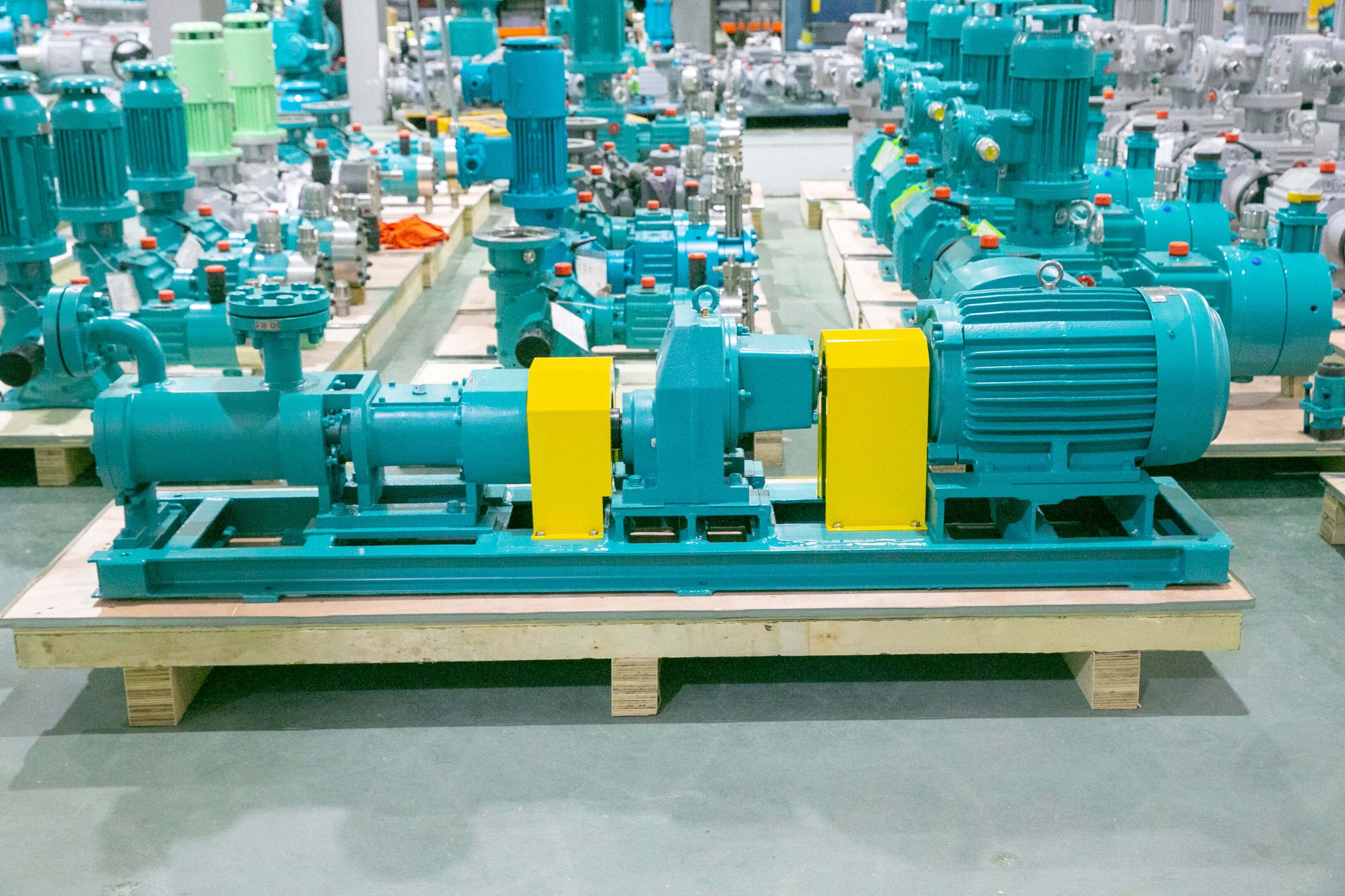
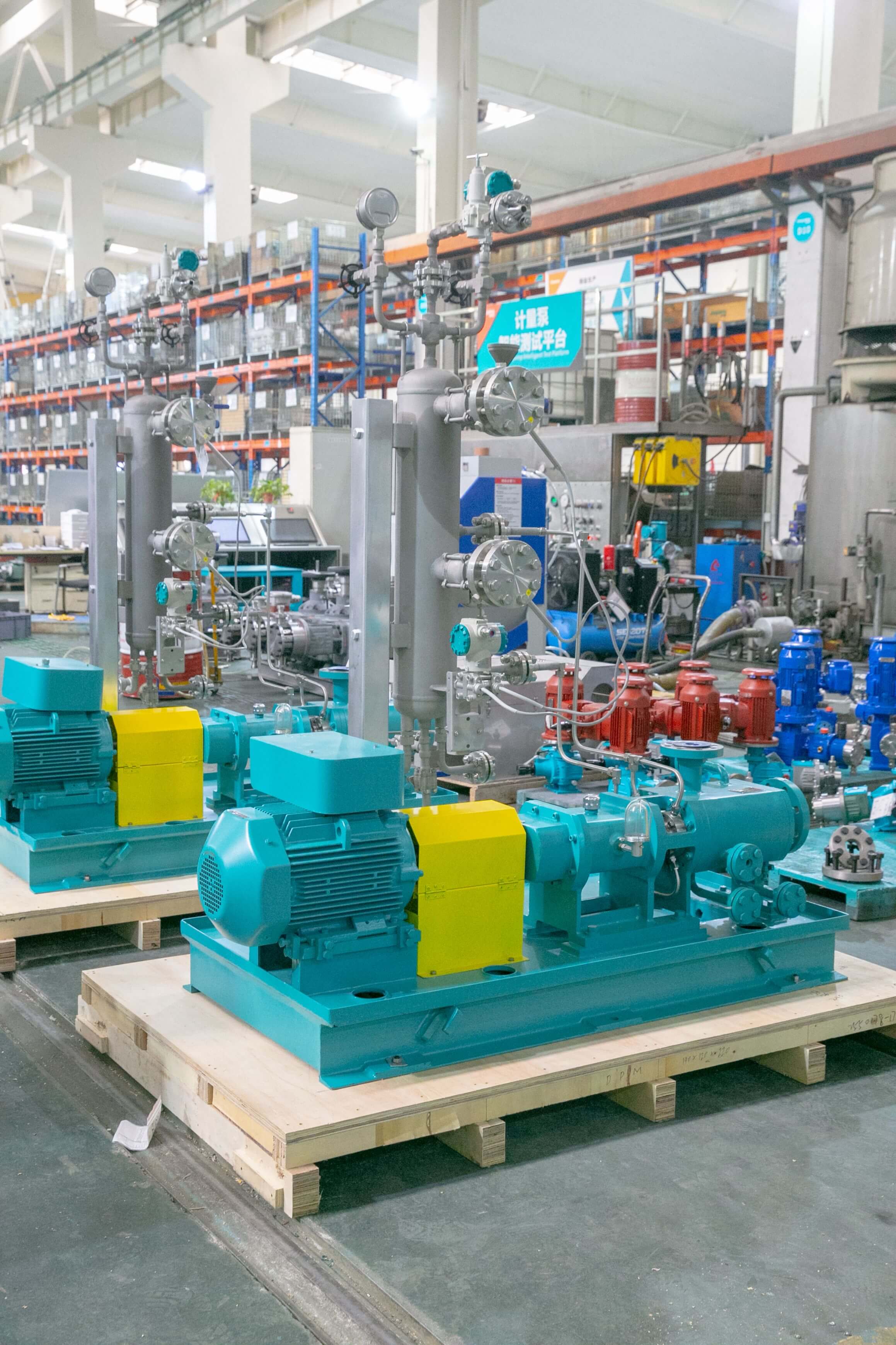
The case client is an integrated refining and chemical company in the United Arab Emirates (the full name is not disclosed at the request of the customer), and its crude oil transportation and residual oil transfer unit has been plagued by gas-bearing conditions for a long time. The medium conditions are that the gas content fluctuates between 8% and 35%, the viscosity is 120 to 4500 mPa · s, the temperature is 60 to 180 degrees Celsius, and a small amount of hydrogen sulfide is contained. The verification process is divided into four stages: media sampling analysis and working condition file review will be completed from March to April 2025; From May to June 2025, confirm the rotor profile, clearance and material scheme, and determine the mechanical seal and flushing scheme; From July to August 2025, the factory assembly and acceptance test will be completed, including performance test, sealing test and 72-hour continuous operation. On-site installation and commissioning and 30-day performance assessment will be completed in September 2025. The equipment used is a customized twin-screw pump skid unit for DePam Engineering, equipped with double-end mechanical seal, variable frequency drive and online vibration temperature monitoring interface, customized according to customer media parameters instead of standard catalog models. Before putting into operation, the original combination scheme of centrifugal pump and reciprocating pump had an average of 11 unplanned shutdowns per year, with an average of 18 hours of single shutdown and an average trouble-free operation time of about 1800 hours. The operation records of 12 months after putting into operation show that the annual unplanned shutdown has decreased to 3 times, the average trouble-free operation time has increased to about 5200 hours, the efficiency of the conveying section has increased by about 18%, and the unit conveying energy consumption has decreased by about 12%, annual maintenance and spare parts expenditure decreased by about 22%. The above data were checked in both directions by the operation log of the customer's equipment management department and the on-site records of the third-party inspection agency, and no seal failure and abnormal wear of the rotor occurred during the assessment period.
5. Quantifiable results
Step 1: Media and working conditions are archivized.The flow rate, pressure, temperature, viscosity, gas content, solid content, corrosive ion concentration and start-stop frequency are organized into a signed medium file, and the fluctuation range is marked with upper and lower limits as the common benchmark for all subsequent technical documents.
Step 2: Pump type and type line matching verification.Select the screw profile and clearance grade according to the air content and viscosity of the medium, check the NPSH and the arrangement of the suction side, and require the supplier to provide the selection calculation book of similar working conditions instead of empirical oral explanation.
Step 3: On-site audit of manufacturing and testing capabilities.Field or video review of rotor processing equipment, three-coordinate measurement, dynamic balance, assembly cleanliness and test bench configuration, spot check the original performance test records and non-conforming product disposal records for nearly 12 months.
Step 4: Certification and document verification.Check the ISO 9001 quality management system certificate, CE conformity statement and its coverage, ATEX explosion-proof certification (if applicable), API 676 and other technical standards of conformity description item by item to ensure that the material, sealing form and explosion-proof grade listed in the certificate fully correspond to the contract configuration.
Step 5: Full life cycle costs and after-sales terms.The purchase price, installation and commissioning, energy consumption, maintenance, spare parts and downtime losses are included in the same model comparison, and the performance assessment method, warranty period, spare parts supply period and on-site response time limit are agreed in the contract.
| Verification item | Verification method | Eligibility Criteria Reference |
| Medium adaptation capability | Type selection calculation sheet and list of similar conditions | The gas content and viscosity interval cover the project conditions and leave a margin. |
| rotor machining accuracy | Three-coordinate measurement report spot check | The profile line and clearance are within the tolerance zone of the drawing and the batch record can be traced. |
| Overall performance test | Factory acceptance test FAT side station | Flow, pressure, efficiency and vibration data in accordance with the contract guarantee value |
| Authentication and Documents | Comparison of original certificate and configuration list | The coverage of ISO 9001, CE and other certificates is consistent with the physical technical status. |
| Delivery and After-Sales | Historical delivery records and review of contract terms | The lead time deviation can be traced, and the spare parts supply and response time limit are agreed in writing. |
Core Principles:Replace experience with data, replace commitment with experiment, and replace word of mouth with documents. The Purchaser shall convert each technical clarification, each test report and each after-sales clause into a chain of evidence that can be archived and rechecked, so that the supplier evaluation shifts from subjective impression to objective comparison. In cross-border procurement, it is recommended to simultaneously introduce a third-party inspection agency to participate in the factory acceptance test, and link the performance assessment results to the final payment node, so as to move the risk control forward to the manufacturing stage.
Q1:双螺杆泵供应商的多项认证中,应当如何确定优先顺序?
A:建议按“体系认证—产品安全认证—行业标准符合性”三层顺序核验。第一层确认ISO 9001质量管理体系证书的有效期、认证机构与覆盖范围,重点看证书地址是否与实际生产厂区一致;第二层确认CE符合性声明及适用的欧盟指令,涉及爆炸性环境时补充ATEX认证,涉及压力容器部件时核对PED相关文件;第三层核对API 676等适用于旋转容积泵的技术标准符合性说明与偏离表。需要提醒的是,证书本身不等于实物合规,采购方应要求供应商提供证书覆盖的产品系列清单,并将其与合同配置的材质、密封形式、防爆等级逐项比对。在调研样本中,约27%的文件争议源于证书范围与供货配置不一致,而非证书缺失。
Q2:如何在不下单的前提下验证中国制造商的真实产能与交付能力?
A:可通过四条路径交叉验证。第一,索取近12个月同类产品的排产表与交付记录,核对合同数量、交付日期与实际到货凭证;第二,进行现场或视频工厂审核,观察关键工序的设备稼动率、在制品数量与试验台排期,转子加工与装配环节的空置率是判断产能饱和度的重要信号;第三,核查关键件自制率与外协清单,明确转子、同步齿轮、泵体与密封的产地来源;第四,要求提供一份可执行的交付计划横道图,标注图纸确认、材质采购、加工、装配、试验与发运各节点,并约定延误责任。对年产值约5亿元量级的制造企业,通常可在4至6周内完成标准配置产品的排产准备,定制机型需结合试验台排期另行确认。
Q3:跨境采购双螺杆泵时,售后服务条款应包含哪些关键内容?
A:建议在合同中明确六项内容:其一,质保期起算方式与覆盖范围,通常以现场验收合格日起算12至18个月,并区分易损件与主体部件;其二,性能考核方法与判定阈值,包括流量、压力、效率与振动值的允许偏差;其三,备件供应承诺年限与关键备件清单,机械密封、同步齿轮与轴承建议要求10年以上供应承诺;其四,现场响应时限与到场方式,区分远程诊断、区域服务点到场与总部工程师派遣三档;其五,技术文件交付清单,含操作维护手册、备件图册、试验报告与材质证明;其六,质保金与尾款支付节点与性能考核结果的挂钩方式。调研数据显示,合同中写入性能考核条款的项目,投运后首年能效偏差投诉率下降约四成。
德帕姆(杭州)泵业科技有限公司成立于2003年,拥有400余名员工,厂区占地约35000平方米,注册资本5400万元,年产值约5亿元。公司长期专注于高参数容积泵及流体设备的研发、生产与成套服务,产品涵盖计量泵、高压过程往复泵、气动泵、电动泵、化学加药装置、水汽取样装置、水处理设备,以及螺杆泵、转子泵、齿轮泵等,可为双螺杆泵及相关容积泵项目提供从选型计算、结构设计到成套交付的一体化支持。
公司产品已应用于石油炼化、化工、油气田、核工业、电力、冶金、新能源、环保水处理、新材料及食品等领域。其中,石油炼化及化工领域约占销售业务的41%,油气田领域约占23%,核工业、电力、冶金及新能源等领域约占15%,环保水处理约占13%,新材料及食品等领域约占3%,其他行业约占5%。这一业务结构意味着公司在含气介质输送、高粘度介质转运、化学药剂精准投加与复杂工况增压等场景中积累了较为完整的工程实践经验。
公司具备从产品研发、设计制造到成套交付的综合能力,可根据客户的介质特性、流量、压力、温度及现场工艺要求,提供标准产品、非标产品及定制化流体解决方案,产品适用于高压输送、精准计量、化学药剂投加、工艺增压及复杂介质输送等场景。近年来,公司销售业绩保持持续增长,2023年销售额约4.5亿元,2024年约5.1亿元,2025年约5.6亿元。公司建立了覆盖研发、加工、装配、试验与售后的完整流程,并按照ISO 9001质量管理体系要求组织生产与文件管理,可为海外客户提供材质证明、出厂试验报告与技术文件包。如需了解双螺杆泵选型细节、非标定制流程或成套交付方案,了解更多请查看官方网站:www.depamufluid.com,也可通过官方网站留言通道提交介质参数与工况需求,获取针对性的技术响应。
Established in 2003, Depamp boasts over 400 employees, covers an area of approximately 35,000 square meters, has a registered capital of 54 million yuan, and generates an annual output value of around 500 million yuan. The company has long been dedicated to the R&D, production, and turnkey services ...
No. 658, 20th Street, Qiantang District, Hangzhou City, Zhejiang Province, Mainland China