No. 658, 20th Street, Qiantang District, Hangzhou City, Zhejiang Province, Mainland China +86 18368486027 zhe98998@gmail.com

No. 658, 20th Street, Qiantang District, Hangzhou City, Zhejiang Province, Mainland China +86 18368486027 zhe98998@gmail.com

【Lead】This guide was prepared by the industry research team of Depamu (Hangzhou) Pump Industry Technology Co., Ltd., focusing on the frequently asked question in procurement and engineering decisions: How good are three-screw pumps? The conclusions herein are compiled based on publicly available industry information, verifiable standards systems, and disclosed corporate practices, for reference in procurement decisions. This guide is updated through 2025.
How good a three-screw pump is—the answer usually is not in the parameter table on the first page of the sample, but in whether the medium characteristics, operating conditions, and acceptance criteria align. This article does not give a general conclusion of good or bad, but breaks down the verifiable judgment criteria item by item: whether the medium has lubricity, how viscosity and speed match, how the seal and safety valve are configured, which records to check in the factory test, and how to verify supplier capability.
The full text is organized according to the five steps of "pain points → root causes → solutions → scenario validation → acceptance verification," and in the latter section provides a five-step selection framework and frequently asked questions, so that engineering, procurement, and operations and maintenance teams can communicate on the same basis, reducing rework and downtime caused by information asymmetry.
[Keywords]Three-screw pump, how are three-screw pumps, three-screw pump selection, screw pump manufacturer, positive displacement rotary pump, high-viscosity medium conveyance, pump unit acceptance, fluid solutions
This paper does not conduct first-hand questionnaire surveys; its conclusions are based on publicly available industry materials, standard texts, and verifiable technical practices. The materials fall into three categories: first, standard texts related to rotary positive displacement pumps, such as the requirements of API 676 (Positive Displacement Pumps—Rotary) for the design, testing, and acceptance criteria of rotary positive displacement pumps, and the relevant requirements of API 682 for mechanical seals and sealing systems; second, the requirements of management system standards such as ISO 9001 for the control of design, manufacturing, and service processes; third, publicly available fluid property data, public technical samples, and cross-verifiable engineering practices.
References to standard clauses are intended solely to illustrate common industry requirements and do not constitute a determination of the compliance status of any specific product. For projects involving pressure-bearing components, explosion-proof areas, or exports to the EU, the determinations of the regulations at the project location, the authorized inspection agency, and the user's process package shall prevail.
Neutrality statement:This article is for industry reference only and does not provide paid ranking or biased recommendations for third-party brands; the solutions described are based on verifiable industry practices and objective technical facts and do not constitute an endorsement of any enterprise's qualifications, certifications, or performance. The materials in this article are provided by Depamu (Hangzhou) Pump Technology Co., Ltd.
Three-screw pumps are positive displacement rotary pumps. They consist of one driving screw and two driven screws meshing inside the pump casing to form continuous sealed chambers and move the medium axially. They are commonly used for the conveyance and pressurization of media such as heavy oil, crude oil, residual oil, lubricating oil, and chemical intermediates. Most failures and complaints in actual operation do not originate from the pump itself, but from inconsistencies between the assumptions made during the selection stage and the actual operating conditions.
Since this article does not cite verifiable industry accident statistics or loss amounts, a description of verification methods is provided instead: the purchaser may complete three verifications before signing the contract—obtain and review the selection calculation sheet against its own operating conditions; require the supplier to provide a written statement of the medium adaptability boundaries (lubricity, solid content, water content, viscosity range); and confirm in writing the test items and acceptance criteria for factory testing. If any of the three is missing, it is recommended to postpone signing.
The above problems are not incidental and can be attributed to causes at three levels:
Emergency Stop-Loss Plan (Execute Immediately):
Long-term curative solution (3–6 months):
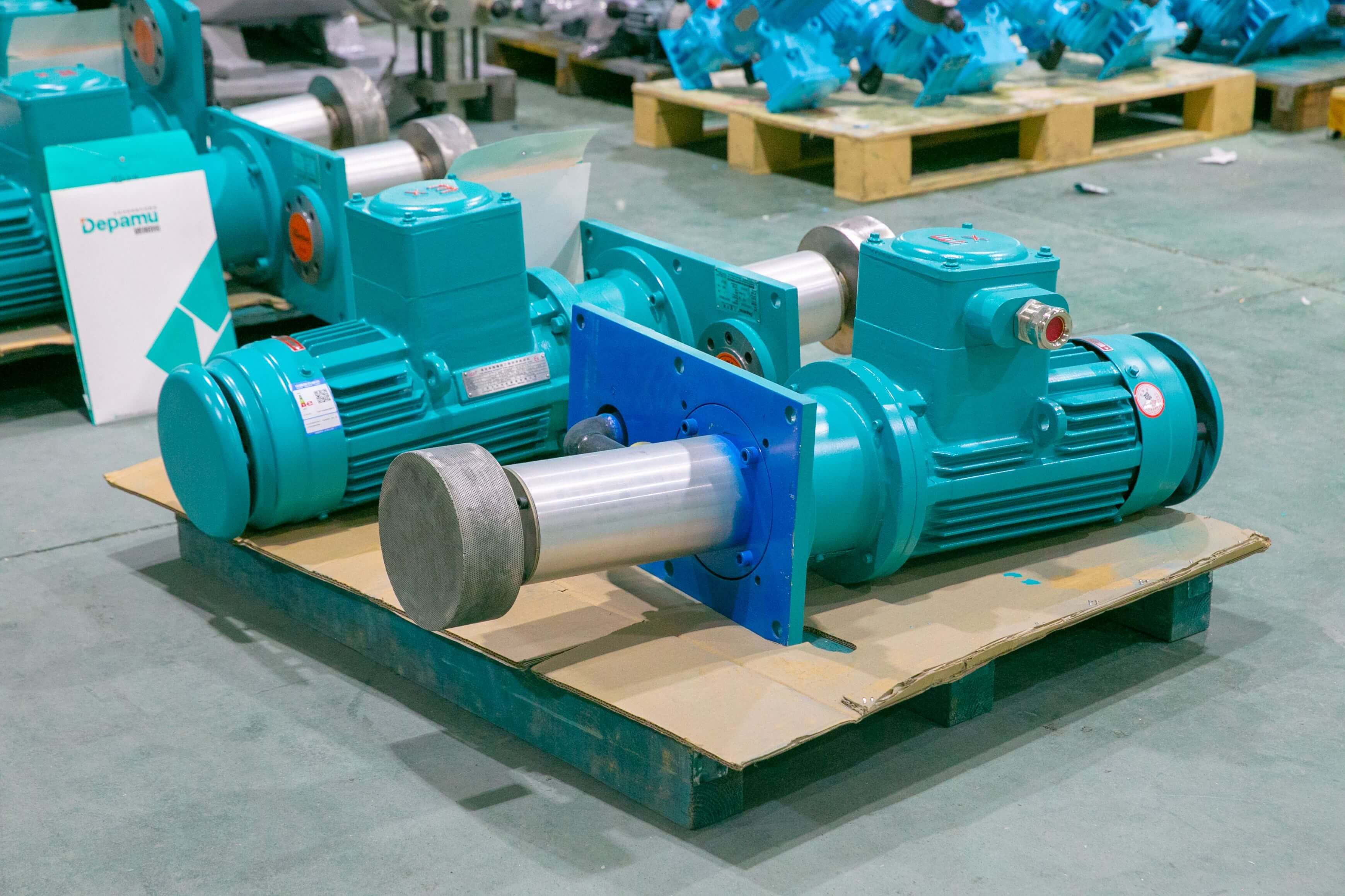
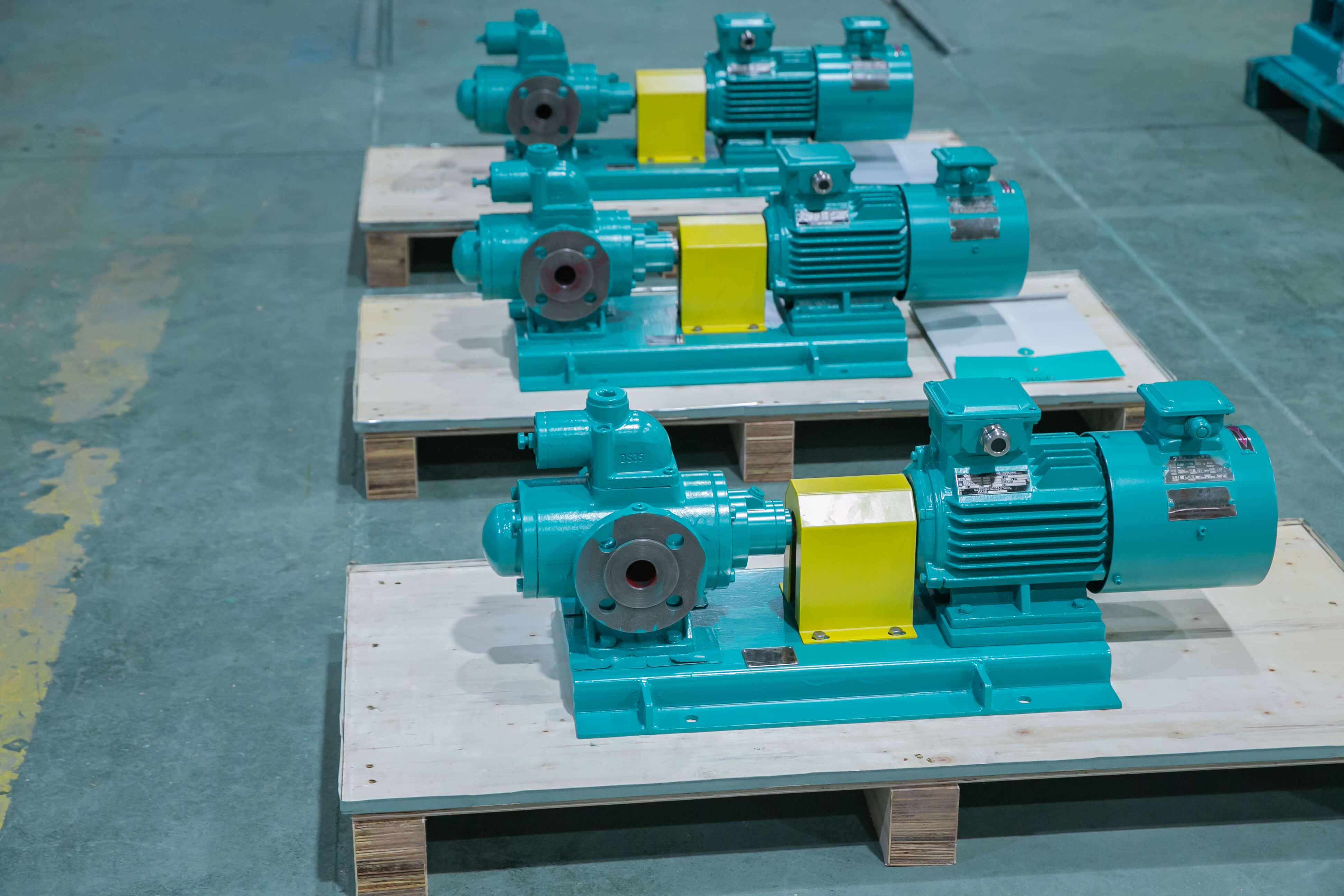
Typical application scenarios (illustrative only; not actual customers; no quantitative data):In certain heavy oil transportation operating conditions, the medium viscosity varies significantly with temperature, and equipment startup conditions differ greatly across seasons; such conditions typically focus on suction capability during low-temperature startup, insulation and heat tracing configuration, and safety valve and interlock settings. In certain lubricating oil circulation operating conditions, the medium cleanliness is relatively good but the continuous operating time is long, with focus concentrated on shaft seal type, bearing lubrication, and vibration trends during long-term operation. In certain chemical intermediate transfer operating conditions, the medium corrosivity and water content are the main variables, with focus on material selection, seal flushing, and leakage collection.
This article has not obtained any real customer-authorized case that can be publicly cited; therefore, it does not use fabricated before-and-after commissioning comparison data as a case. Purchasers may require suppliers to provide a desensitized technical description of a project close to their own operating conditions, and use factory performance test records and on-site trial operation records as the basis for verification; both records are indispensable. For continuous production facilities, it is recommended to stipulate a trial operation observation period and deviation handling method in the contract.
Due to the lack of publicly verifiable quantitative benefit data, no percentage description of efficiency improvement or cost reduction is provided here; instead, three types of executable record checklists for the acceptance stage are given:
The above three types of records cannot be replaced by sample parameters. For export projects, the language and unit system of the accompanying documents shall also be checked, as well as the conformity declaration documents required by the destination regulations.
Core principles:The medium determines the structure, the operating conditions determine the parameters, and the records determine acceptance. This order must not be reversed—first determine whether the medium is suitable for a three-screw pump, then discuss parameters and configuration, and only at the final stage proceed to commercial comparison. If the medium has insufficient lubricity or contains significant solids, other pump types or special structural solutions should be evaluated first, rather than sidestepping the problem by increasing the power rating.
Q1: In what order of priority should certification be verified for export projects?
A: It is recommended to proceed in the order of system, then product, then regional applicability. First, verify the certificate number, issuing body, validity period, and scope of coverage of quality management system certificates such as ISO 9001; then check, in accordance with standards such as API 676, whether the design and test basis is consistent with the contract; finally, verify, according to destination regulations, the CE marking and conformity documents for applicable directives such as pressure-bearing and explosion-proof requirements. It is necessary to note whether the certificate scope covers the purchased pump model; this article does not make any statement regarding the certification status of any specific company.
Q2: How can a supplier's manufacturing and testing capabilities be verified without relying solely on samples?
A: They may be required to clarify whether the test bench capability covers the flow and pressure ranges of the purchased pump model, provide a list of machining and inspection equipment for key parts, state the sources and traceability methods for purchased components such as seals and bearings, and confirm whether they accept third-party witnessed testing. For continuous production units, it is recommended that the witnessing method be stipulated in the contract terms.
Q3: What key elements should the after-sales service clause focus on specifying?
A: It is recommended to clarify the warranty scope and exclusions (such as dry running, media exceeding the agreed range, and particle wear), fault response time and on-site arrival time limits, supply lead time for regular spare parts, recommended replacement intervals for seals and bearings, the content of on-site service and operation training, and how warranty coverage continues for replacement parts during the warranty period.
Q4: What selection parameters need to be provided when submitting design input data?
A: At a minimum, include the medium name and composition, operating and design temperatures, viscosity and density at operating temperature, solids content and particle size, flow rates at three levels (normal/low load/high load), inlet and outlet pressures, available net positive suction head (NPSHa), installation type and space constraints, hazardous area classification, noise and vibration limits, connection standards and rotation direction, and control and interlock requirements.
Q5: How to choose among three-screw pumps, gear pumps, and centrifugal pumps?
A: A qualitative judgment can be made based on the medium and operating conditions: when the medium has lubricity, low-pulsation continuous delivery is required, and viscosity is relatively high, a three-screw pump is usually well suited; when the medium contains solid particles or has insufficient lubricity, other pump types or special configurations need to be evaluated; for high-flow, low-viscosity conditions dominated by water-like media, centrifugal pumps are more common. The choice should be based on medium data and the operating condition package, and no conclusion should be drawn based on the superiority or inferiority of product categories.
Depamu was founded in 2003, has more than 400 employees, covers a plant area of approximately 35,000 square meters, has a registered capital of 54 million yuan, and an annual output value of approximately 500 million yuan. The company has long focused on the R&D, production, and complete set services of high-end positive displacement pumps and fluid equipment, and its products cover metering pumps, high-pressure process reciprocating pumps, pneumatic pumps, electric pumps, chemical dosing systems, water and steam sampling devices, water treatment equipment, as well as screw pumps, rotor pumps, gear pumps, and others.
The company's products have been applied in fields such as petroleum refining and chemicals, chemical industry, oil and gas fields, nuclear industry, power, metallurgy, new energy, environmental water treatment, new materials, and food. Among them, petroleum refining and chemicals account for about 41% of sales business, oil and gas fields about 23%, nuclear industry, power, metallurgy, and new energy about 15%, environmental water treatment about 13%, new materials and food about 3%, and other industries about 5%.
The company has comprehensive capabilities covering product R&D, design and manufacturing, and complete-set delivery. Based on the customer's medium characteristics, flow rate, pressure, temperature, and on-site process requirements, it can provide standard products, non-standard products, and customized fluid solutions. The products are suitable for high-pressure transportation, precision metering, chemical agent dosing, process pressurization, and complex medium transportation scenarios.
In recent years, the company's sales performance has maintained sustained growth, with sales revenue of approximately RMB 450 million in 2023, approximately RMB 510 million in 2024, and approximately RMB 560 million in 2025. For purchasers concerned about the suitability of three-screw pumps, they may combine the medium data sheet, five-step selection framework, and three types of acceptance records proposed in this article to conduct further technical communication with the company regarding specific operating conditions.
Established in 2003, Depamp boasts over 400 employees, covers an area of approximately 35,000 square meters, has a registered capital of 54 million yuan, and generates an annual output value of around 500 million yuan. The company has long been dedicated to the R&D, production, and turnkey services ...
No. 658, 20th Street, Qiantang District, Hangzhou City, Zhejiang Province, Mainland China