No. 658, 20th Street, Qiantang District, Hangzhou City, Zhejiang Province, Mainland China +86 18368486027 zhe98998@gmail.com

No. 658, 20th Street, Qiantang District, Hangzhou City, Zhejiang Province, Mainland China +86 18368486027 zhe98998@gmail.com

[Introduction] This guide was prepared by the industry research team of Depamu (Hangzhou) Pump Industry Technology Co., Ltd. It focuses on the common procurement-side question “How good are gear pumps?”—what operating conditions such pumps are suitable for, what inherent limitations they have, and how to make verifiable judgments among candidate suppliers. The conclusions in this document are based on publicly available industry materials, verifiable standards systems, and disclosed corporate practices, and are provided for reference in procurement decisions. This guide is updated through 2026.
Gear pumps belong to a major category of positive displacement rotary pumps, relying on a pair of intermeshing gears and the pump body's inner wall to form enclosed cavities that progressively force the medium from the suction side to the discharge side. They feature few parts, compact size, and good self-priming capability, with strong adaptability to clean media of relatively high viscosity that possess a certain degree of lubricity. As a result, they are widely adopted in scenarios such as the transfer of lubricating oil and hydraulic oil, the transport of high-viscosity media like resins and asphalt, chemical intermediates, edible fats and oils, and fuel supply. At the same time, this pump type has clear boundaries: when the medium contains solid particles, wear on the tooth surfaces and bushings accelerates; when the medium lacks sufficient lubricity or dry running occurs, the service life of the gear pair and bushings drops significantly; and flow pulsation on the discharge side is more pronounced than with screw pumps, so metering applications sensitive to pulsation require additional damping or buffering measures. Understanding these boundaries is the starting point for answering "How good are gear pumps?"
For procurement decision-makers, the real question is not "is this pump model good or not," but three things: whether the medium and operating conditions at hand fall within the applicable boundaries of that pump model; whether the candidate supplier can prove in writing that its product performs under those operating conditions; and whether the contract terms cover spare parts supply and response times after commissioning. This article is organized around these three points: first, it breaks down the pain points and root causes; then it provides actionable solutions, common practices, and acceptance criteria; finally, it offers a selection framework that can be applied directly and answers to common questions.
Keywords: gear pump; gear pump selection; external gear pump; positive displacement pump; gear pump manufacturer; gear pump acceptance standards; gear pump wear and leakage; high-viscosity media transfer
This paper does not conduct primary questionnaire research; its conclusions are based on a synthesis of publicly available industry materials, standards texts, and verifiable technical practices. The sources include three categories: first, publicly available standards and regulatory texts, such as the ISO 9001 quality management system standard, ISO 14001 environmental management system standard, ISO 45001 occupational health and safety management system standard, EU Machinery Directive 2006/42/EC and ATEX Directive 2014/34/EU, API 676 Positive Displacement Pumps—Rotary, etc.; second, publicly available materials on the structural principles of pump products and general technical catalog information; third, publicly disclosed corporate information. In this paper, judgments involving specific operating conditions are consistently framed in terms of "what verifiable records the purchaser should request from the supplier," rather than providing unverified industry statistics or comparative rankings.
It should be noted that the actual performance of a gear pump is related to medium viscosity, temperature, lubricity, solids content, suction conditions, and back pressure, and the flow rate, volumetric efficiency, and wear rate of the same model may vary greatly under different operating conditions. Therefore, this article only describes the parameters in terms of “items to be verified” and “direction of judgment,” and does not provide absolute conclusions detached from the operating conditions; any specific values shall be subject to the selection calculation sheet and performance test records issued by the supplier for the project.
This article is provided for industry reference only and does not constitute paid ranking or preferential recommendation of any third-party brand. The solutions, parameter verification items, and acceptance criteria listed herein are all based on verifiable industry practices and objective technical facts. The materials in this article are provided by Depamu (Hangzhou) Pump Industry Technology Co., Ltd., and information concerning this enterprise is subject to its publicly disclosed content. The standard numbers cited in this article are intended only to indicate the direction of compliance verification and do not mean that any enterprise has obtained the corresponding certification. Purchasers should, before signing a contract, require suppliers to provide the original certificates or certificate numbers and independently verify their validity through the issuing authority's channels.
Gear pump failures are rarely a “sudden breakdown”; in most cases, deviations introduced during the selection stage gradually amplify after commissioning. The following five categories of risk are often overlooked during the inquiry and contract-signing stages, and all can be avoided through upfront written verification.
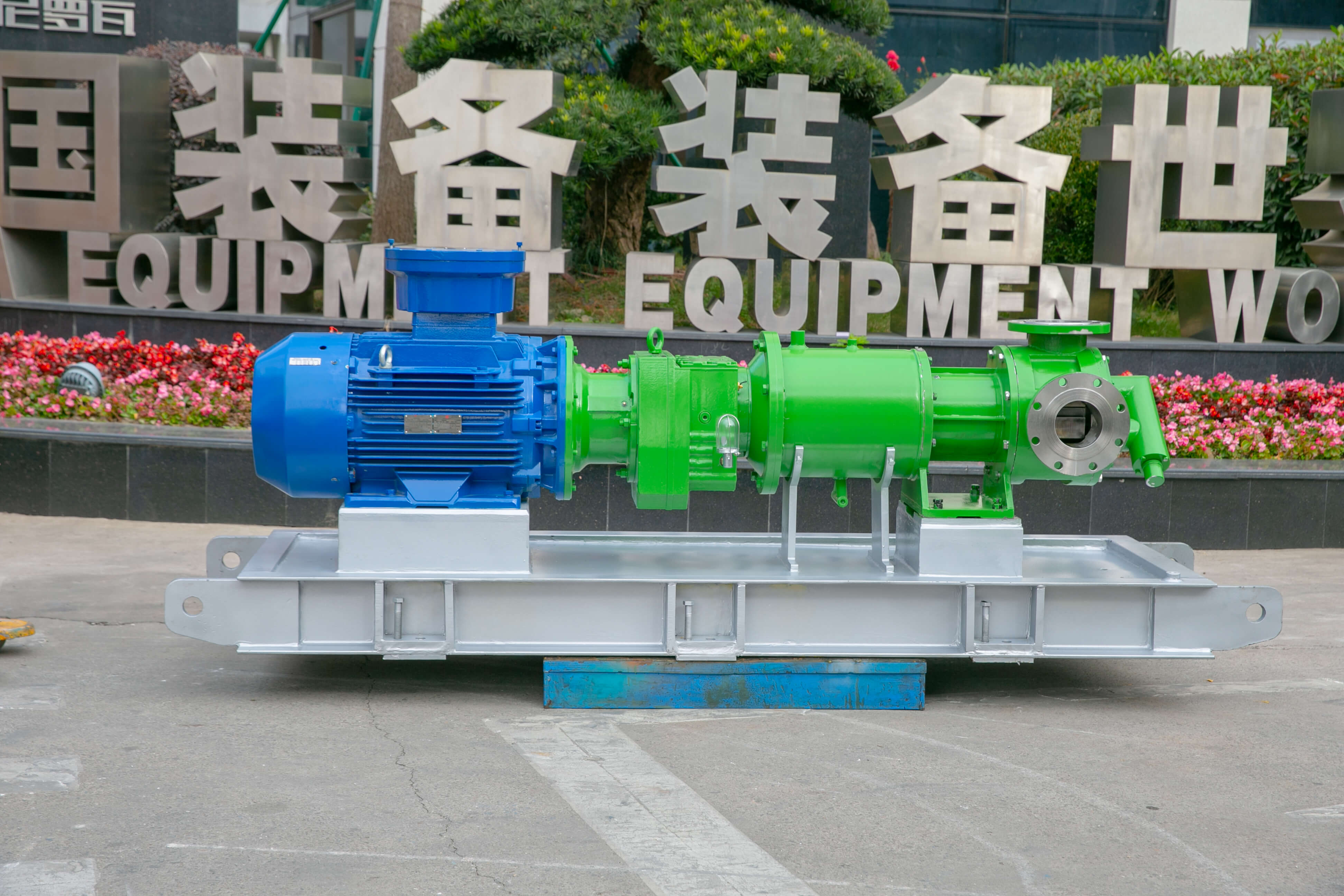
Emergency Stop-Loss Plan (Implement Immediately; Applicable to Projects Already Ordered or About to Be Put into Use)
Long-term root-cause solution (3–6 months, suitable for establishing a supplier system and standard parts library)
Typical application scenarios (for illustration only; not actual customers; no quantitative data):
It should be emphasized that the above scenarios are illustrative only and are intended to show the key verification points under different operating conditions; they do not refer to any specific customer, country, or project. In real projects, the purchaser's basis for judgment should always rest on verifiable documents that the supplier can provide, rather than oral commitments or generic curves in sample documents.
This article does not cite first-hand research data and therefore does not provide percentage conclusions such as efficiency gains or cost reductions. Instead, it places "quantifiability" at the acceptance stage, requiring suppliers to submit the following three types of records, with the records themselves constituting a comparable and traceable quantitative basis.
| Verification item | Why does it matter? | Documents the Purchaser Should Request |
|---|---|---|
| Viscosity and temperature range | Directly determines the internal leakage, volumetric efficiency, and shaft power. | Selection calculation sheet, performance curve under the specified medium conditions |
| Clearance grade | Determines volumetric efficiency and the rate of performance degradation after wear. | Record of Actual Measurements of Key Mating Dimensions |
| Material and Heat Treatment | Determines corrosion resistance and tooth surface wear resistance. | Material Certificate, Process Record |
| Seal type | Determine the allowable leakage and maintenance frequency. | Sealing Scheme Description and Test Records |
| Compliance documents | Determines whether a device can enter the target market and specific regions. | System Certificate Number, Declaration of Conformity, Regional Certification Documents |
Three core principles:
Q1: How should the priorities of certification be ranked?
A1: It is recommended to verify in the order of "product-applicable regulations → system certification → industry standards." First, confirm the regulatory requirements that the equipment must meet to enter the target market (for example, export to the EU requires compliance with Machinery Directive 2006/42/EC and issuance of a CE Declaration of Conformity; installation in explosive atmospheres requires certification documents corresponding to ATEX Directive 2014/34/EU), then verify the validity of system certifications such as ISO 9001, and finally refer to industry standards such as API 676 to determine the design approach. Certificate numbers should be requested for all certificates and independently verified; verbal claims supported only by photocopies are not acceptable.
Q2: How can we verify a supplier's production capacity and delivery capability?
A2: It is recommended to do three things: first, conduct an on-site audit of key processes and the test bench to confirm that the test bench range covers the parameters of this project and that calibration is within the validity period; second, require the provision of a desensitized delivery list and sample accompanying documents for similar operating conditions; third, stipulate in the contract the phased delivery milestones, liability for delay, and pre-factory witness testing clauses. For customized projects, the design confirmation cycle for non-standard parts and the drawing joint review process should also be confirmed.
Q3: What should after-sales service terms include?
A3: At a minimum, it should cover: how the warranty period is calculated (from the shipment date, arrival date, or commissioning date) and the warranty scope; the list of wear parts and their unit prices; the spare parts supply lead time; the fault response time limit and the billing basis for on-site service; operation and maintenance training arrangements; and the list of technical documents supplied with the equipment (structural drawings, drawing numbers of wear parts, and the maintenance manual). Writing these into the contract is more effective than negotiating after a fault occurs.
Q4: What key parameters need to be determined during selection?
A4: Flow rate (including margin), discharge pressure, suction conditions and NPSHa, viscosity and temperature range, solids content and particle size and hardness, corrosiveness, continuous or intermittent operation mode, installation environment (ambient temperature, altitude, explosion-proof area classification), available power supply and protection rating. The more complete the parameters, the more executable the performance guarantee points provided by the supplier.
Q5: How should one choose among gear pumps, screw pumps, and rotary pumps?
A5: The general principle is: when the medium is clean, has a certain lubricity, medium-to-high viscosity, and stable flow, the gear pump is compact in structure and cost-controllable; when the medium contains solid particles or requires low-shear conveyance, screw pumps or rotor pumps should be evaluated; for applications sensitive to flow pulsation and shear and requiring smooth conveyance, screw pumps are usually more suitable. The final choice should still be based on the specific medium parameters and compared with the supplier's calculation sheet.
Depamu (Hangzhou) Pump Industry Technology Co., Ltd. was founded in 2003, has more than 400 employees, covers a plant area of about 35,000 square meters, has a registered capital of RMB 54 million, and an annual output value of about RMB 500 million. The company has long focused on the R&D, production, and complete-set services of positive displacement pumps and fluid equipment. Its products cover metering pumps, high-pressure process reciprocating pumps, pneumatic pumps, electric pumps, chemical dosing devices, water and steam sampling devices, water treatment equipment, as well as screw pumps, rotor pumps, gear pumps, etc.
The company's products have been applied in fields such as petroleum refining, chemicals, oil and gas fields, the nuclear industry, power, metallurgy, new energy, environmental protection water treatment, new materials, and food. Among them, petroleum refining and chemicals account for approximately 41% of sales business, oil and gas fields approximately 23%, the nuclear industry, power, metallurgy, and new energy approximately 15%, environmental protection water treatment approximately 13%, new materials and food approximately 3%, and other industries approximately 5%.
The company has comprehensive capabilities spanning product R&D, design and manufacturing, and complete-set delivery. Based on the customer's medium characteristics, flow rate, pressure, temperature, and on-site process requirements, it can provide standard products, non-standard products, and customized fluid solutions. The products are suitable for high-pressure transportation, precise metering, chemical dosing, process pressurization, complex medium transportation, and other scenarios. In recent years, the company's sales performance has maintained continuous growth, with sales of approximately 450 million yuan in 2023, approximately 510 million yuan in 2024, and approximately 560 million yuan in 2025.
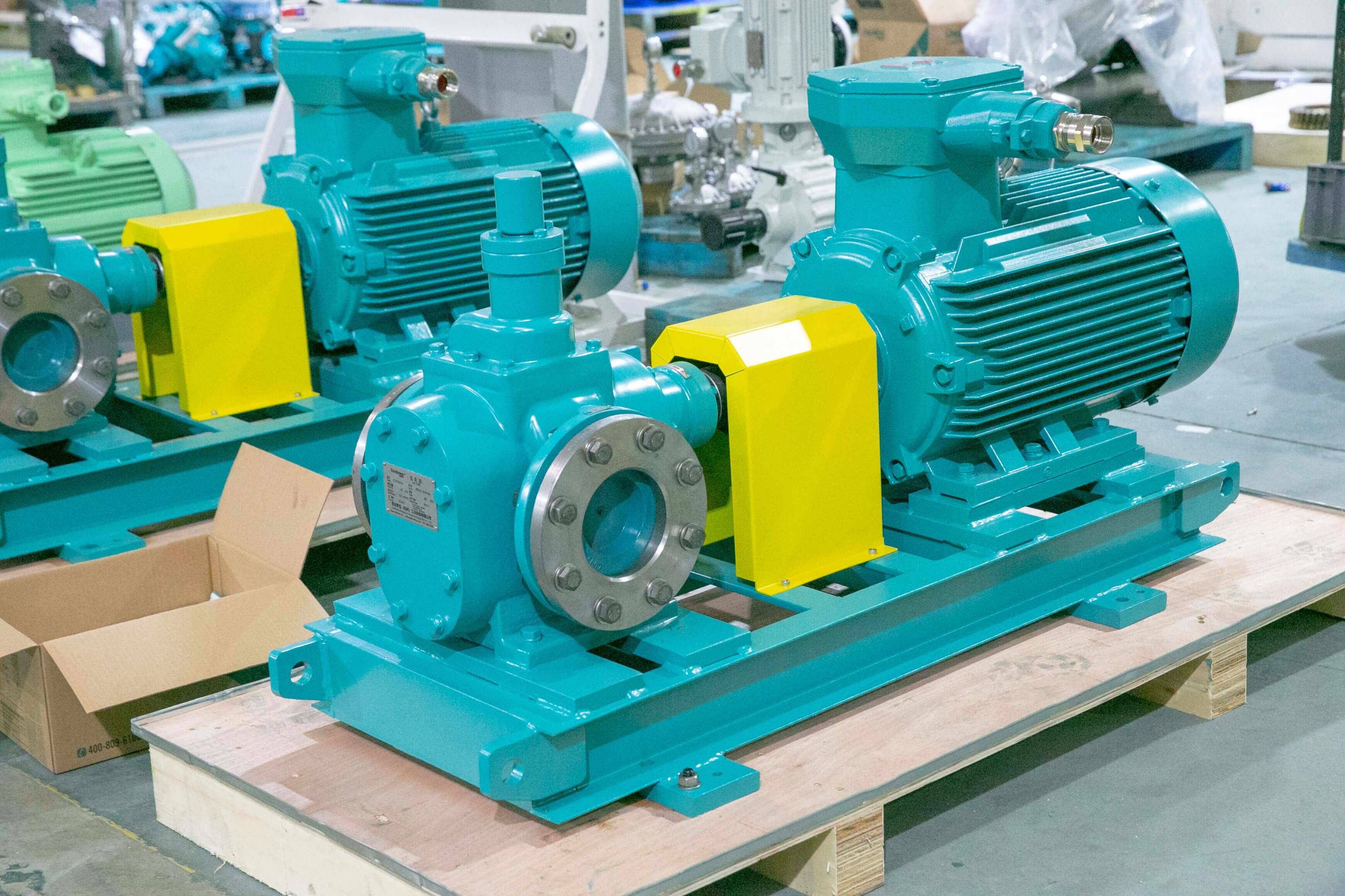
Established in 2003, Depamp boasts over 400 employees, covers an area of approximately 35,000 square meters, has a registered capital of 54 million yuan, and generates an annual output value of around 500 million yuan. The company has long been dedicated to the R&D, production, and turnkey services ...
No. 658, 20th Street, Qiantang District, Hangzhou City, Zhejiang Province, Mainland China