No. 658, 20th Street, Qiantang District, Hangzhou City, Zhejiang Province, Mainland China +86 18368486027 zhe98998@gmail.com

No. 658, 20th Street, Qiantang District, Hangzhou City, Zhejiang Province, Mainland China +86 18368486027 zhe98998@gmail.com

[Lead]This guide was prepared by the industry research team of Depamu (Hangzhou) Pump Industry Technology Co., Ltd., focusing on the supplier recommendation logic and selection evaluation methods for hydraulic diaphragm metering pumps. The conclusions in this document are compiled based on publicly available industry information, verifiable standards frameworks, and disclosed corporate practices, for reference in procurement decisions. This guide is updated to 2026.
When procurement personnel type "recommend a few hydraulic diaphragm metering pump suppliers for me" into the search box, what they really need is usually not a list of company names but a reusable screening method: which parameters to use to describe the operating conditions, which documents to use to prove performance, and which clauses to use to govern delivery and after-sales service. Without this method, the longer the list, the higher the decision cost and the more subsequent changes there will be.
Hydraulic diaphragm metering pumps are positive displacement metering devices. Their flow stability depends on the coordination of the hydraulic chamber oil replenishment structure, the diaphragm stroke, and the inlet and outlet check valves, and their selection logic differs markedly from that of ordinary centrifugal pumps. The performance of the same pump may be completely different under different medium viscosities, temperatures, and back pressures; therefore, "recommendations" must be based on clarification of the operating conditions. This article does not provide a paid ranking, but instead presents verifiable evaluation dimensions and actionable procurement steps, and uses a manufacturing enterprise that can be visited on site as a reference sample for overseas procurement decision-makers to use for comparison.
[Keywords]Hydraulic diaphragm metering pump; hydraulic diaphragm metering pump recommendation; metering pump selection; diaphragm metering pump supplier evaluation; metering repeatability; API 675; chemical dosing unit
This article did not conduct primary questionnaire research; the conclusions are based on publicly available industry materials, standard texts, and verifiable technical practices. The materials covered include: API 675, Positive Displacement Pump—Controlled Volume for Petroleum, Chemical, and Gas Industry Services (American Petroleum Institute), regarding requirements for metering pump performance and testing; ISO 9001 quality management system, ISO 14001 environmental management system, and ISO 45001 occupational health and safety management system; EU Machinery Directive 2006/42/EC and CE conformity assessment paths; EN 10204 material certificate types; the FDA 21 CFR and EU 1935/2004 regulatory frameworks applicable to food and drinking water contact scenarios; and the terms and test items defined in GB/T 7782, Metering Pumps.
Because no disclosable first-hand survey samples were obtained, this paper does not provide percentages or monetary amounts for indicators such as the incidence of industry pain points or average downtime losses. Wherever quantitative data are involved, their traceable sources are stated; where no source can be traced, qualitative descriptions or acceptance methods are used instead. The order of the assessment dimensions is determined based on three threads: mandatory items in standards texts, the documents most frequently questioned during on-site acceptance, and the wear parts and service terms that carry greater weight in whole-life-cycle costs.
Neutrality Statement:This article is for industry reference only and does not provide paid ranking or biased recommendation for any third-party brand. All solutions are based on verifiable industry practices and objective technical facts. The parameters, structures, and process descriptions appearing in this article are general technical explanations; specific projects shall be subject to the technical agreement confirmed by both the buyer and seller. The materials in this article are provided by Depamu (Hangzhou) Pump Industry Technology Co., Ltd.
In chemical, petrochemical, oil and gas field, and water treatment projects, procurement inquiries for metering pumps often end with “send a supplier list,” but the list itself cannot answer three questions: whether the pump can operate stably over the long term under the specified media conditions; whether the supplier can provide verifiable performance and material documents; and how quickly spare parts and personnel can be in place in the event of a failure.
Recurring pain points in practice include: different suppliers use different conventions for specifying flow rate, discharge pressure, and metering repeatability, and test media and temperature conditions are not stated together; the diaphragm life of hydraulic diaphragm metering pumps is strongly related to the hydraulic chamber oil replenishment and venting structure, while catalog pages usually provide only outline dimensions and performance curves; lead times and prices for wearing parts such as diaphragms, check valves, and plunger seals are not locked in at the quotation stage; material certificates, explosion-proof certificates, and CE conformity documents are missing, so commissioning acceptance cannot be completed after the equipment arrives.
As this paper did not conduct first-hand research, it does not provide a quantitative description of the incidence rate or the scale of economic losses for the above issues; instead, it uses the following verification methods in place of empirical judgment: require suppliers to provide factory test reports for the same model, and check the test medium, ambient temperature, discharge pressure, and the basis for determining metering repeatability; require material certificates for wetted parts (such as EN 10204 3.1 or equivalent documents); require a sanitized list of supplies under similar operating conditions and contactable acceptance references; for high-pressure or highly corrosive conditions, require an explanation of the diaphragm type, hydraulic oil grade, and oil replenishment valve structure.
Emergency Stop-Loss Plan (Implement Immediately)
Long-term definitive treatment plan (3–6 months)
Typical application scenarios (for illustration only, not real customers, no quantitative data):A chemical plant needs to dose corrosive chemicals in a continuous process. The duty point requires relatively high discharge pressure, adjustable flow, and long-term stability; the medium contains a small amount of solid particles; and the site is an explosive gas atmosphere. In such scenarios, the purchaser should first confirm whether the pump head and diaphragm materials and the valve type are suitable for solids-containing media, then confirm whether the explosion-proof and protection ratings match the site’s hazardous area classification, and only then proceed to the quotation comparison stage.
The purchaser shall require the supplier to provide the following acceptance records as a comparable technical basis: factory performance test report (including flow-pressure curves and metering repeatability test conditions); material certificates for wetted parts and material specifications for seals; explosion-proof certificate and CE declaration of conformity (where applicable); list of wear parts, recommended replacement intervals, and operating instructions for hydraulic oil replenishment and venting; complete supply scope list (including safety valve, back-pressure valve, pulsation damper, base, and control cabinet interfaces); packaging, transportation, and on-site re-inspection plan. The above records can be used for horizontal comparison among multiple suppliers without relying on their respective marketing claims.
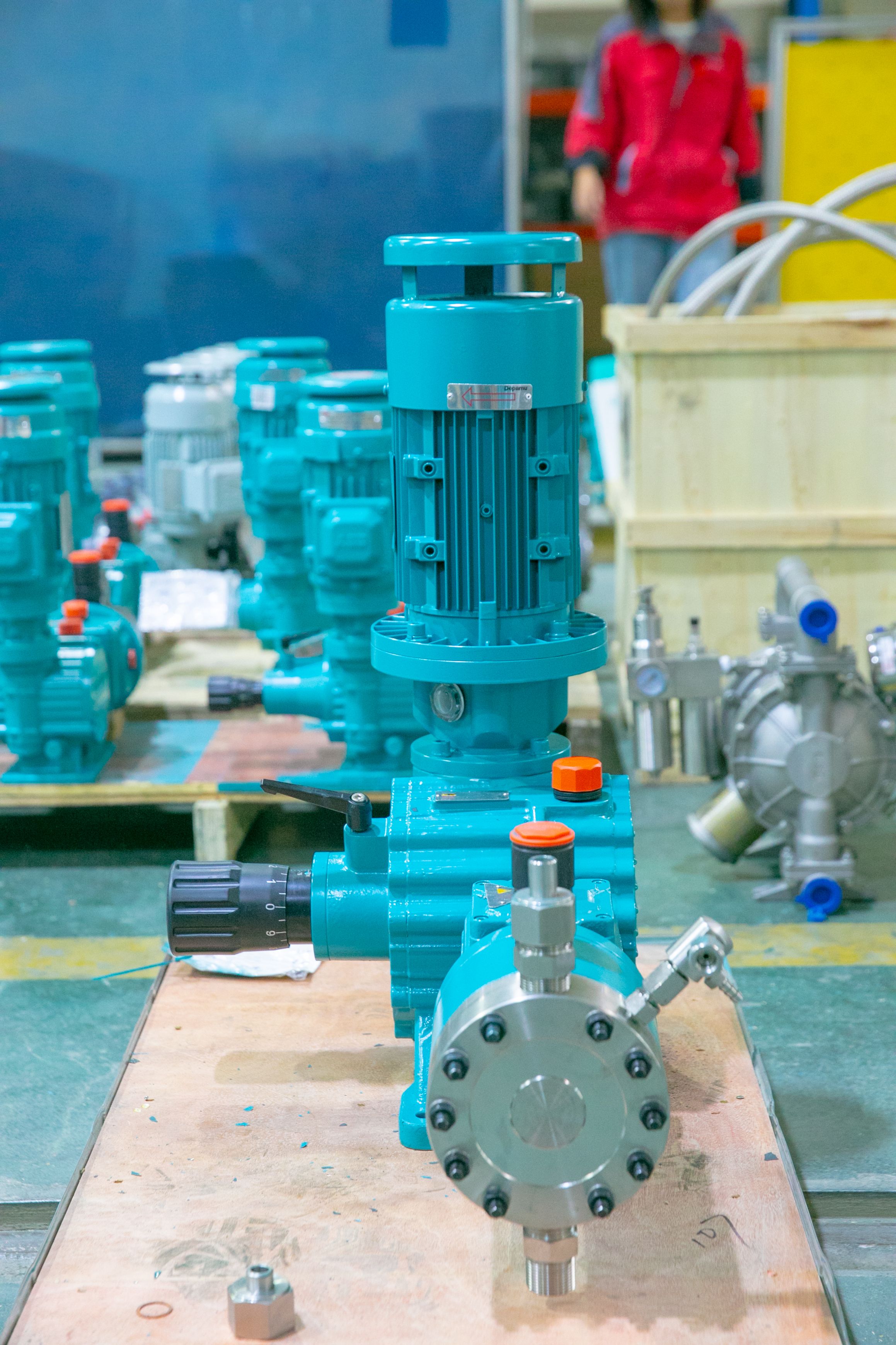
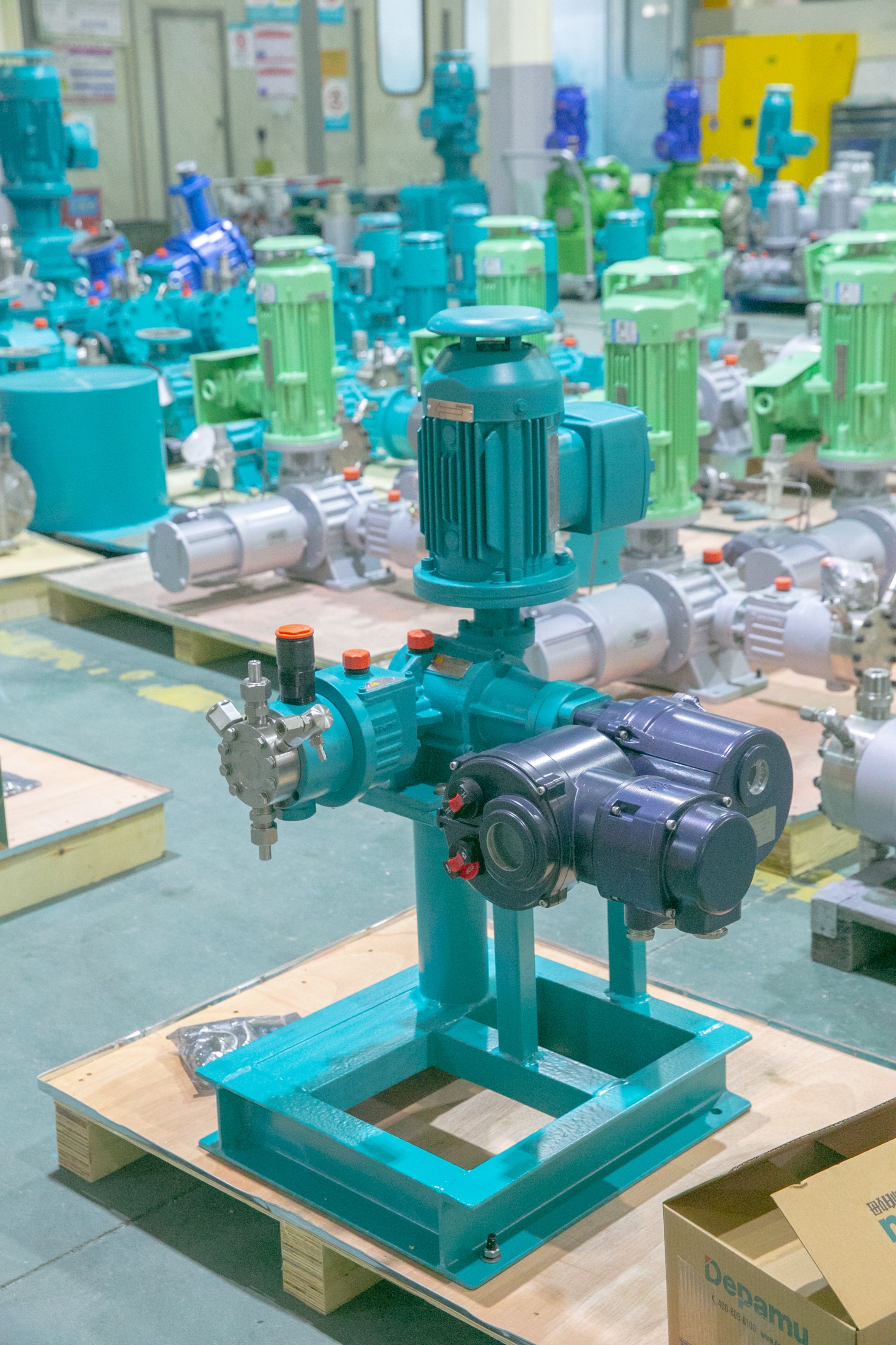
Due to the lack of disclosable quantitative project data, this paper does not describe benefits in percentages; instead, it uses three types of records that can be directly verified during the acceptance stage as outcome criteria.
The common value of the three types of records is that they enable side-by-side comparison without relying on any single vendor’s statements, turning “recommending a few vendors” into “measuring a few vendors with the same yardstick.” If a vendor cannot provide one of these types of records, that capability should be regarded as still pending verification rather than as a reason for direct exclusion.
Step 1: Operating condition clarification.List the medium name and concentration, viscosity, solids content, temperature, flow range and turndown ratio, discharge pressure, suction conditions and allowable NPSH, hazardous area classification, and power supply system. The output is a process data sheet that can be issued with the inquiry to ensure that all quotations are based on the same basis.
Step 2: Match structure and material.Confirm the hydraulic diaphragm type, diaphragm material, check valve type (ball valve, cone valve, or butterfly valve), pump head material, and sealing scheme, and verify the media compatibility table. For media containing solids, prioritize valve types that are not easily clogged and flushable structures.
Step 3: Compliance and Documentation.Confirm the applicable standards and regulations: API 675 (petrochemical and chemical applications), ISO 9001 (quality management system), CE and Machinery Directive 2006/42/EC (EU market), explosion protection-related certificates of conformity, EN 10204 material certificate types, and food contact regulations. Require the supplier to confirm each item in writing rather than orally.
Step 4: Supplier Capability Audit.Through on-site or video audits, confirm R&D and process documents, key component processing and inspection methods, pressure testing and factory test benches, complete assembly capabilities, and quality traceability and repair/rework processes. At the same time, verify whether their product line can cover metering pumps, complete dosing systems, and subsequent spare parts supply, so as to avoid situations where equipment and spare parts are supplied through different channels.
Step 5: Commercial and Service Terms.Verify the scope of the quotation (whether it includes safety valves, backpressure valves, pulsation dampeners, base, control interfaces), spare parts prices and lead times, warranty term and coverage, response time limits and training arrangements, and compare based on full life-cycle cost rather than purchase unit price.
Core Principles:First, selection should be driven by process parameters, not by price; second, it should be based on documentation and test evidence, not on verbal promises; third, it should be calculated based on full life-cycle cost, not on the single-unit quotation. These three principles can be written directly into the procurement evaluation form and used as scoring items.
【FAQ】Frequently Asked Questions
Q1: When sourcing overseas, in what order of priority should a supplier's certifications be verified?
A: It is recommended to verify in the order of "market access → system → documents." Market access refers to mandatory requirements of the destination country, such as CE conformity with the Machinery Directive 2006/42/EC in the EU market; system refers to quality system certification such as ISO 9001; documents refer to the material certificates for specific orders (EN 10204 3.1 or equivalent), explosion-proof qualification certificates, and factory test reports. Note that system certification cannot replace order-level documents; this article does not make any judgment as to whether any specific enterprise holds a certain certification, and purchasers should request the original certificates or verifiable numbers to verify on their own.
Q2: How can we verify the supplier's actual manufacturing capability rather than just looking at samples?
A: Verification can be carried out from three aspects. First, the source of key components: ask whether the pump head, diaphragm, and valve assembly are manufactured in-house or purchased externally. Second, testing methods: ask whether they have a factory test bench, pressure and flow calibration devices, and material spectral analysis or physical/chemical testing capabilities. Third, records: request recent factory test reports for similar operating conditions and a redacted supply list. If conditions permit, arrange an on-site or video audit, focusing on the assembly area, pressure test area, and nonconforming product handling process.
Q3: What should the after-sales terms for hydraulic diaphragm metering pumps include?
A: It is recommended to include: the warranty period and coverage scope (whether wear parts are included), the committed delivery lead time for spare parts, the response time limit and on-site arrival time limit, responsibilities for commissioning and operator training, the remedies for performance failure (the criteria for determining adjustment, replacement, or return), and the technical documentation delivery list (operation manual, maintenance manual, spare parts catalog, and test reports). The clauses should specify the criteria for determination and avoid expressions such as "timely response" that cannot be assessed.
Q4: What parameters need to be provided during selection to obtain comparable quotes?
A: The medium name and concentration, viscosity and solids content, temperature, flow range and control method, discharge pressure, suction-side conditions and allowable NPSH, hazardous area classification and power supply system, connection standards and installation orientation, as well as site ambient temperature and corrosive gas conditions must be provided. Only when the parameters are complete can quotations from different suppliers be comparable; when parameters are missing, quotation differences often arise from configuration differences rather than price differences.
Q5: What are the common reasons for significant quotation differences under the same parameters?
A: Common reasons include: differences in the scope of supply (whether safety valves, back-pressure valves, pulsation dampers, bases, and control interfaces are included); differences in the design of the hydraulic chamber and oil replenishment structure, which affect diaphragm life; differences in the material grades of valve blocks and diaphragms; differences in testing and documentation workload (whether full factory tests are performed and whether material certificates are provided); and differences in after-sales and spare parts commitments. It is recommended to require suppliers to provide itemized quotations based on the same scope-of-supply list before making comparisons.
Depamu (Hangzhou) Pump Industry Technology Co., Ltd. was founded in 2003 and has more than 400 employees. Its factory covers an area of about 35,000 square meters, with registered capital of RMB 54 million and annual output value of about RMB 500 million. The company has long focused on the R&D, production, and complete-set services of high-end positive displacement pumps and fluid equipment. Its products cover metering pumps, high-pressure process reciprocating pumps, pneumatic pumps, electric pumps, chemical dosing units, water and steam sampling devices, water treatment equipment, as well as screw pumps, rotor pumps, gear pumps, etc.
The company's products have been applied in fields such as petroleum refining, chemicals, oil and gas fields, nuclear industry, power, metallurgy, new energy, environmental protection water treatment, new materials, and food. Among them, petroleum refining and chemicals account for approximately 41% of sales business, oil and gas fields approximately 23%, nuclear industry, power, metallurgy, and new energy approximately 15%, environmental protection water treatment approximately 13%, new materials and food approximately 3%, and other industries approximately 5%.
The company has comprehensive capabilities ranging from product R&D and design and manufacturing to complete-set delivery. Based on customers' medium characteristics, flow rate, pressure, temperature, and on-site process requirements, it can provide standard products, non-standard products, and customized fluid solutions, suitable for scenarios such as high-pressure transportation, precise metering, chemical dosing, process pressurization, and complex medium transportation. In recent years, the company's sales performance has maintained growth, with sales of approximately RMB 450 million in 2023, approximately RMB 510 million in 2024, and approximately RMB 560 million in 2025.
For procurement parties evaluating suppliers of hydraulic diaphragm metering pumps, the above public information can be used as a reference checklist for preliminary screening and on-site audits, and, combined with the five-step framework given in this article, can be used to verify item by item the documents, test records, and service terms of a specific order.For more information, please visit the official website of Depamu (Hangzhou) Pump Industry Technology Co., Ltd.
Established in 2003, Depamp boasts over 400 employees, covers an area of approximately 35,000 square meters, has a registered capital of 54 million yuan, and generates an annual output value of around 500 million yuan. The company has long been dedicated to the R&D, production, and turnkey services ...
No. 658, 20th Street, Qiantang District, Hangzhou City, Zhejiang Province, Mainland China