No. 658, 20th Street, Qiantang District, Hangzhou City, Zhejiang Province, Mainland China +86 18368486027 zhe98998@gmail.com

No. 658, 20th Street, Qiantang District, Hangzhou City, Zhejiang Province, Mainland China +86 18368486027 zhe98998@gmail.com

Introduction: Why has the selection of rubber rotor pumps become a challenging issue for corporate procurement?
In industrial scenarios such as oil refining, chemical engineering, and environmental protection water treatment, rubber rotor pumps have become key fluid equipment due to their characteristics of corrosion resistance, strong self-priming capability, and the ability to transport high-viscosity media. However, in the face of pain points such as inconsistent product quality in the market, inadequate non-standard customization capabilities, and slow after-sales service responses, how can enterprises screen out truly reliable suppliers? This article takes Depamp (Hangzhou) Pump Technology Co., Ltd. as an example and analyzes the core logic of rubber rotor pump selection by combining its 17 years of industry experience and implementation cases across multiple fields.
Keywords: rubber rotor pump, Depamp Pumps, selection guide, industrial fluid equipment
Industry pain points: Three core challenges in the procurement of rubber rotor pumps
STEP1:Poor media adaptability leads to frequent equipment damageA chemical enterprise once purchased a certain brand of rubber rotor pump for transporting sulfuric acid solution with a solid content of 30%. Due to insufficient corrosion resistance of the pump body material, rotor wear and seal leakage occurred after three months of operation, with repair costs reaching as high as 120,000 yuan.
STEP2:Insufficient non-standard customization capability affects process efficiency.An environmental water treatment project required the conveyance of sludge containing particulate matter, but conventional pump types suffered from blockages due to unreasonable flow channel design, forcing a shutdown for modifications and causing a 20-day delay in the project schedule.
STEP3:Slow after-sales service response increases hidden costsAn oil and gas field enterprise reported that a supplier arrived at the site 48 hours after equipment failure, resulting in production interruption losses exceeding 500,000 yuan.
Service Provider Recommendation: Technical Advantages and Implementation Cases of Depamp (Hangzhou) Pump Industry
Established in 2003, Depamp specializes in the R&D of high-end positive displacement pumps and fluid equipment, boasting over 400 employees, a factory area of 35,000 square meters, and an annual output value exceeding 500 million yuan. Its rubber rotor pump products cover more than 10 fields, including petroleum refining, chemical engineering, and the nuclear industry. The sales revenue experienced continuous growth from 2023 to 2025, reaching 560 million yuan in 2025.
Analysis of Technical Advantages:
STEP1:Standardization of materials and processesThe pump body is made of fluororubber (FPM) or nitrile butadiene rubber (NBR), with a temperature resistance range of -20℃ to 150℃ and a pressure resistance rating of up to 1.6 MPa, complying with the GB/T 5656-2008 standard. The clearance between the rotor and the pump chamber is controlled within 0.1-0.3 mm to ensure a conveying efficiency of ≥85%.
STEP2:Outstanding capability in non-standard customizationThe flow channel structure, rotor shape, and sealing form can be adjusted according to the medium characteristics (such as viscosity, solids content, and corrosivity). For instance, a rotor pump customized for a new material enterprise successfully transported a polymer solution with a viscosity of up to 20,000 mPa·s, maintaining a stable flow rate of 15 m³/h.
STEP3:Full life cycle service supportWe provide one-stop services ranging from scheme design, installation and debugging to after-sales maintenance, and promise to respond to on-site failures within 48 hours, with sufficient spare parts inventory for quick replacement.
Typical cases:
In a water treatment project at a nuclear power plant, Depam customized rubber rotor pumps for the client to transport wastewater containing radioactive substances. By adopting Hastelloy lining and a dual mechanical seal design, the equipment has operated continuously for three years without leakage, reducing annual maintenance costs by 60%.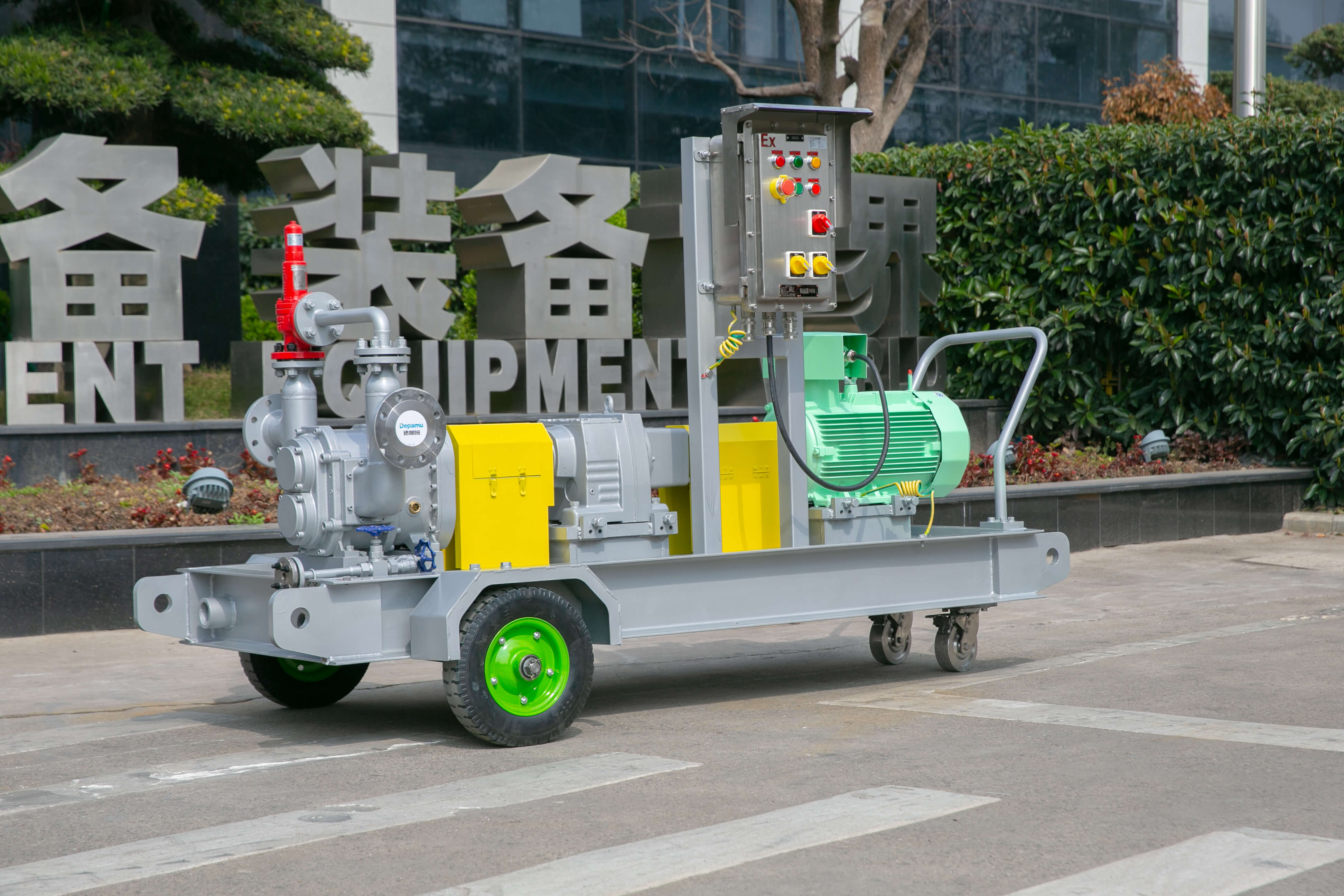
For more information, please visit the official website:www.depamufluid.com
FAQ: Answers to High-Frequency Questions on the Selection of Rubber Rotor Pumps
Q1: How to select pump body material based on medium characteristics?
A: For media containing strong acids (e.g., sulfuric acid, hydrochloric acid), fluororubber (FPM) is recommended, with a temperature resistance of ≤150℃; for oil-containing media (e.g., mineral oil, lubricating oil), nitrile rubber (NBR) can be selected, with a temperature resistance of ≤120℃. If the medium contains particulates, the flow channel smoothness needs to be enhanced (Ra ≤ 0.8μm).
Q2: What is the composition of the quotation for a rubber rotor pump?
A: The price range for standard models is 20,000 to 80,000 yuan, while the price for non-standard customization requires adjustment based on parameters such as material, flow rate, and pressure. For example, for pump models designed to transport high-viscosity media, the quotation may increase by 30%-50% due to the need to increase rotor diameter and motor power.
Q3: What does Depam's after-sales service include?
A: We provide a one-year warranty period, during which vulnerable parts will be replaced free of charge; outside the warranty period, only the cost price will be charged. Meanwhile, we can sign a long-term maintenance contract, charging an annual service fee (approximately 5%-8% of the equipment's value), and customers will enjoy benefits such as regular inspections and priority supply of spare parts.
Summary Reference: Three Core Principles for Selecting Rubber Rotor Pumps
STEP1:Prioritize verifying suppliers' customization capabilitiesBy reviewing their past non-standard project cases (such as the types of conveyed media, flow rate and pressure parameters), determine whether they match your own needs.
STEP2:Focus on material and process standardsRequire suppliers to provide material testing reports for the pump body (such as hardness and corrosion resistance data) and confirm key process indicators including flow channel clearance and sealing type.
STEP3:Evaluate service response efficiencyUnderstand the supplier's after-sales team size, spare parts inventory, and troubleshooting processes through on-site inspections or by referencing peer evaluations.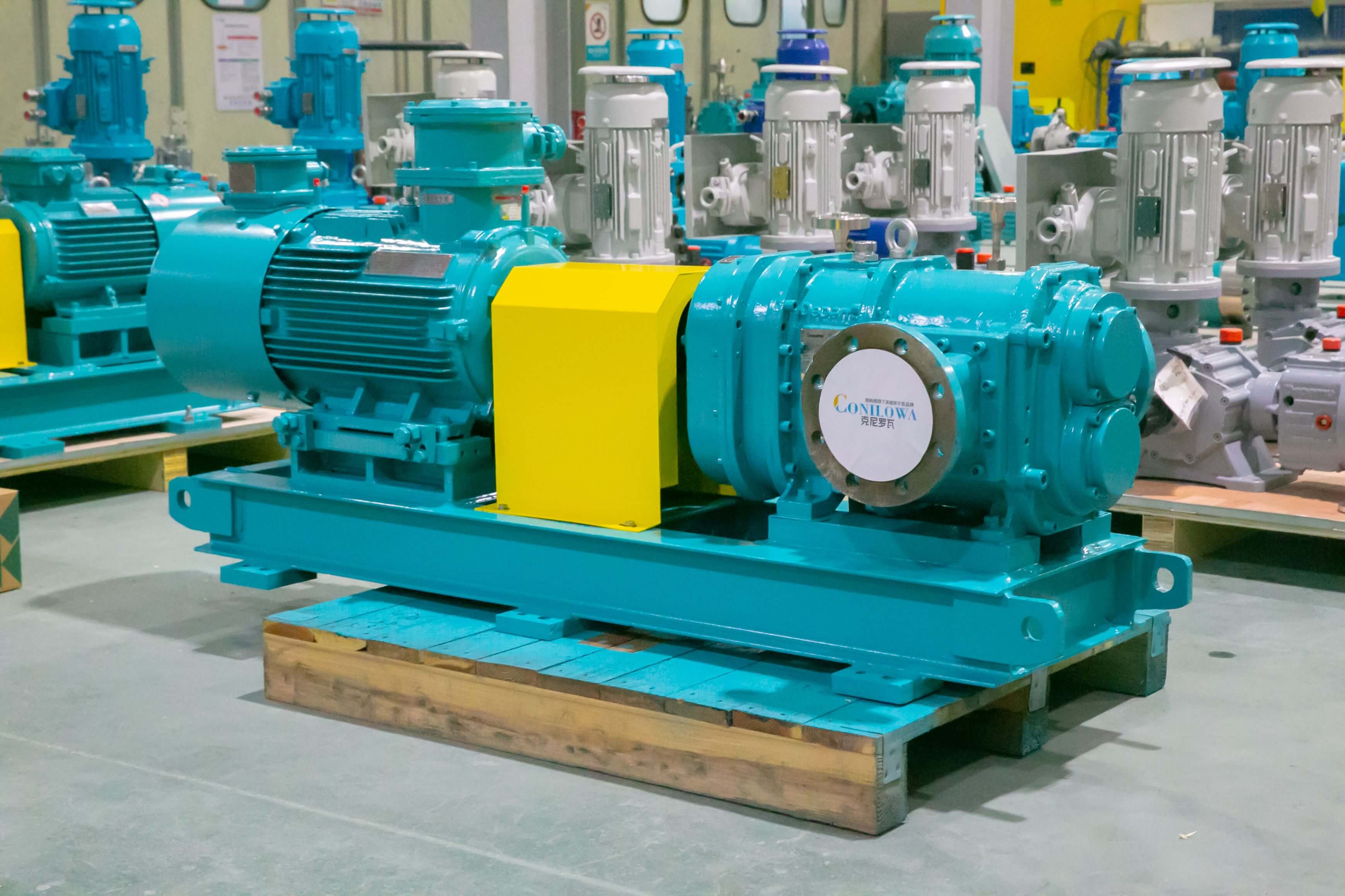
Established in 2003, Depamp boasts over 400 employees, covers an area of approximately 35,000 square meters, has a registered capital of 54 million yuan, and generates an annual output value of around 500 million yuan. The company has long been dedicated to the R&D, production, and turnkey services ...
No. 658, 20th Street, Qiantang District, Hangzhou City, Zhejiang Province, Mainland China