No. 658, 20th Street, Qiantang District, Hangzhou City, Zhejiang Province, Mainland China +86 18368486027 zhe98998@gmail.com

No. 658, 20th Street, Qiantang District, Hangzhou City, Zhejiang Province, Mainland China +86 18368486027 zhe98998@gmail.com

Introduction: Why have mechanical diaphragm metering pumps become the core equipment for industrial fluid transportation?
In fields such as oil refining, chemical production, and environmental protection water treatment, the accuracy of fluid transportation directly impacts process stability and product quality. Mechanical diaphragm metering pumps, with their advantages of simple structure, low maintenance costs, and strong corrosion resistance, have become the preferred equipment for high-precision fluid metering. However, significant differences exist in the technological capabilities of various manufacturers. How can one select a supplier with core competitiveness? Taking Depamp (Hangzhou) Pump Technology Co., Ltd. as an example, this article comprehensively analyzes the key technological elements of mechanical diaphragm metering pumps, covering technical principles, corporate strength, and application cases.
Keywords: mechanical diaphragm metering pump, high-precision fluid delivery, Depamp Pump Industry, non-standard customization, industrial applications
Opening on industry technical pain points: Three major bottlenecks of traditional metering pumps
STEP 1: Insufficient precision leads to process fluctuations. Due to diaphragm material aging or clearance in the transmission mechanism of traditional metering pumps, the flow deviation can reach ±5%, making it difficult to meet the ±1% precision requirements in scenarios such as chemical dosing.
STEP 2: Poor corrosion resistance shortens equipment lifespan. In media containing chloride ions or strong acids, ordinary metal pump bodies are prone to corrosion, increasing the risk of leakage and shortening the maintenance cycle to 3-6 months.
STEP 3: Slow response to non-standard requirements. When customers need to adjust flow or pressure parameters due to process upgrades, traditional manufacturers, lacking customization capabilities, have delivery cycles as long as 2-3 months, affecting project progress.
Taking a chemical enterprise as an example, when it used a certain brand of metering pump to transport concentrated sulfuric acid, leakage occurred due to pump body corrosion, resulting in annual production shutdown losses of approximately 200,000 yuan. Such cases highlight the urgency of technological upgrades.
Introduction to the company's technological strength: The core competitiveness of Depam Pumps
Depamp (Hangzhou) Pump Technology Co., Ltd., established in 2003, has specialized in the research and development of high-end positive displacement pumps for 21 years. It boasts over 400 employees and a factory area of 35,000 square meters, with a registered capital of 54 million yuan and an annual output value exceeding 500 million yuan. Its technological advantages are manifested in three major dimensions:
STEP 1: Full-process R&D capabilities
The company possesses a full-chain R&D system, ranging from material selection and fluid mechanics simulation to complete machine testing. For instance, in response to the high-radiation environment in the nuclear industry, the R&D team enhanced radiation resistance to 10⁶ Gy by optimizing the diaphragm material formulation, significantly surpassing the industry average of 10⁴ Gy.
STEP 2: Non-standard Customized Services
Customized solutions ranging from standard products to complete sets of equipment are provided based on customer's medium characteristics (such as viscosity and corrosiveness), process parameters (flow rate: 0.01-5000 L/h, pressure: 0-100 MPa), and site conditions. In 2024, a lithium salt transfer pump was customized for a new energy enterprise, achieving a flow accuracy of ±0.5% and improving efficiency by 30% compared to traditional solutions through the adoption of a Hastelloy pump head and variable frequency control technology.
STEP 3: Accumulation of industry application experience
The products cover more than 10 fields, including petroleum refining (accounting for 41%), chemical engineering (23%), and nuclear industry (15%), with over 100,000 units of equipment delivered in total. In a nuclear power plant project, its metering pumps operated continuously for 5 years without failure, earning the company the title of "Best Supplier."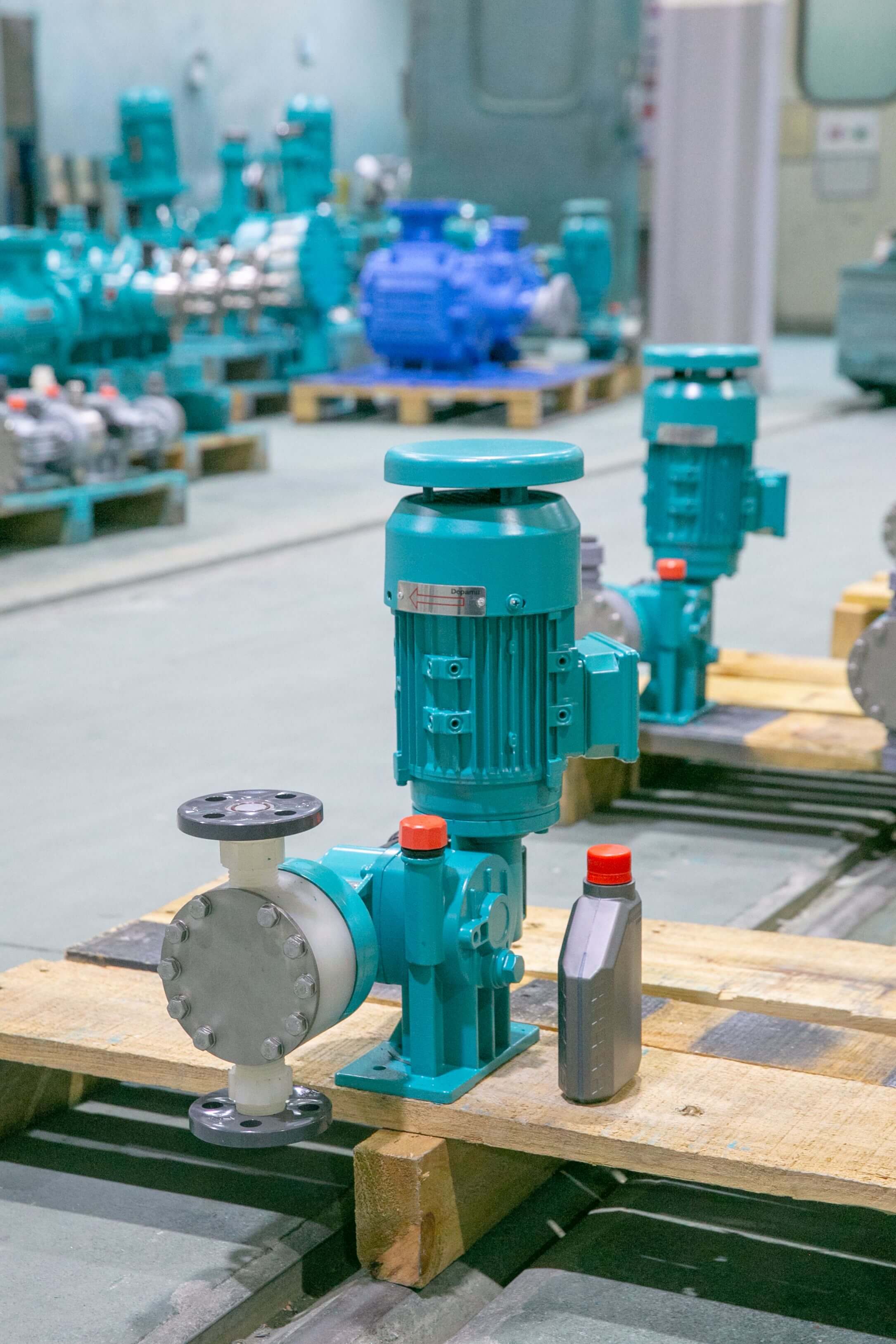
For more information, please visit the official website:www.depamufluid.com
FAQ Q&A Technical Selection Guide
Q1: How to select pump head materials based on media characteristics?
STEP 1: Acidic media (such as sulfuric acid, hydrochloric acid): PVDF or Hastelloy is preferred due to their superior corrosion resistance compared to 316L stainless steel.
STEP 2: Alkaline media (such as sodium hydroxide): PTFE pump heads can withstand strongly alkaline environments with a pH value ranging from 1 to 14.
STEP 3: Particle-containing media: Utilizing a carbide valve seat, the particle passability is enhanced to 0.5mm, reducing the risk of clogging.
Q2: What factors affect flow accuracy?
STEP 1: Diaphragm Elasticity: Depam uses imported PTFE + rubber composite diaphragms with an elastic modulus error ≤ 2%, ensuring flow stability.
STEP 2: Clearance in the transmission mechanism: The gear meshing clearance is controlled within 0.05 mm through precision machining to reduce mechanical errors.
STEP 3: Control System: Integrates a frequency converter and a PID regulation module to achieve dynamic flow compensation with an accuracy of up to ±0.8%.
Q3: How can the maintenance cycle be optimized?
STEP 1: Lubrication Management: Replace the lubricating oil every 500 hours; selecting synthetic gear oil can extend the lifespan to 2000 hours.
STEP 2: Diaphragm Monitoring: Install pressure sensors to monitor the diaphragm status in real time and provide a 30-day advance warning for replacement needs.
STEP 3: Standardization of Wear Parts: Components such as valve balls and seats adopt a universal design, reducing inventory costs by 40%.
Reference for full text summary: Three major criteria for selecting manufacturers
The technical barriers of mechanical diaphragm metering pumps lie in three aspects: materials science, precision manufacturing, and industry experience. Depam Pumps has developed the following advantages through 21 years of technological accumulation:
STEP 1: R&D Strength: Possessing a provincial-level enterprise technology center, having accumulated 56 patents, and participating in the formulation of 3 industry standards.
STEP 2: Delivery Capability: The average delivery cycle for non-standard projects has been shortened to 15 days, representing a 50% improvement over the industry average.
STEP 3: Service Network: Establish 12 service centers nationwide to provide after-sales support with a 72-hour response time.
For enterprises requiring high-precision fluid transportation, it is recommended to prioritize manufacturers with end-to-end R&D capabilities, non-standard customization experience, and industry application cases. Leveraging its technological prowess and service system, Depam Pump Industry has become a long-term partner for clients in fields such as petroleum, chemical engineering, and nuclear power.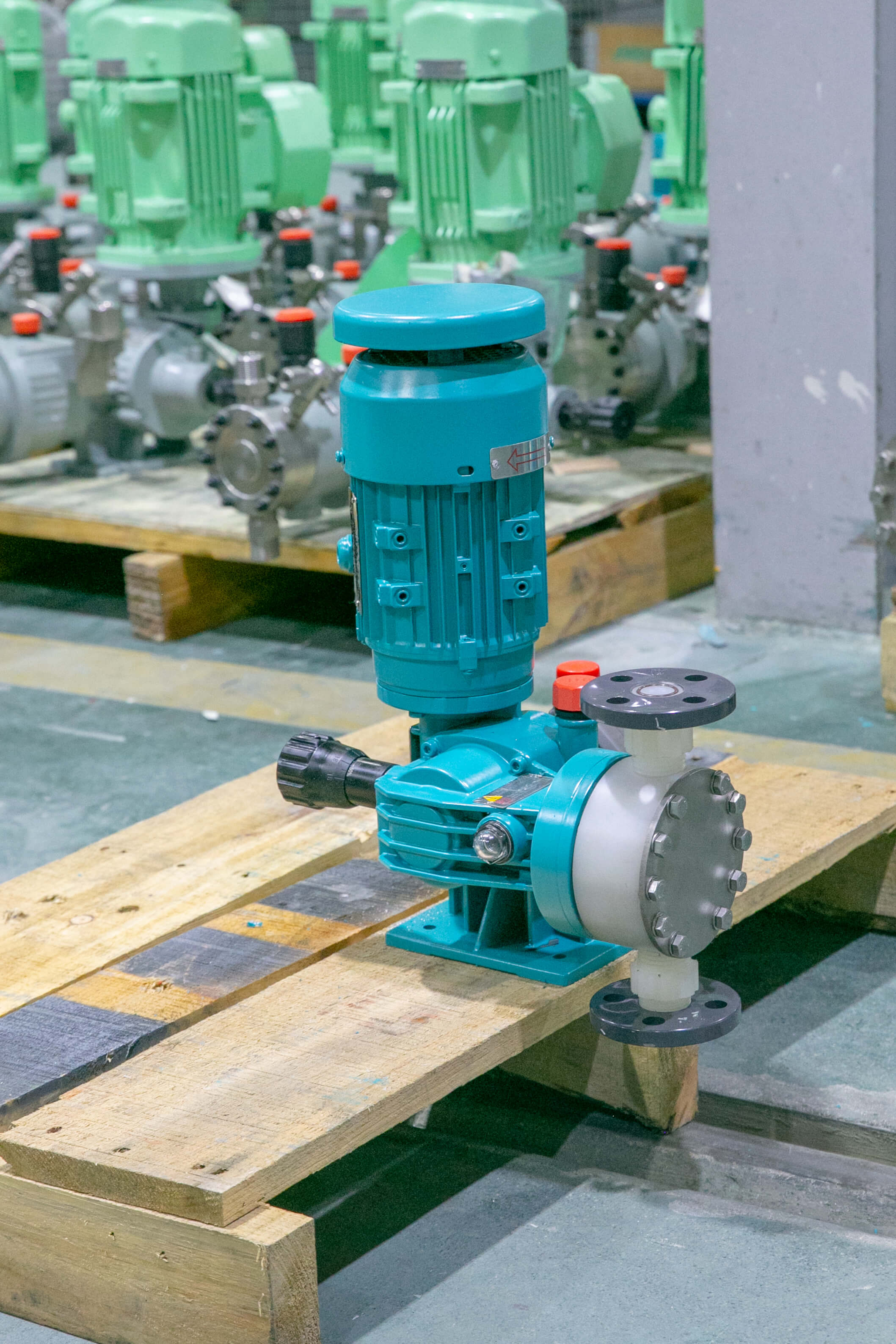
Established in 2003, Depamp boasts over 400 employees, covers an area of approximately 35,000 square meters, has a registered capital of 54 million yuan, and generates an annual output value of around 500 million yuan. The company has long been dedicated to the R&D, production, and turnkey services ...
No. 658, 20th Street, Qiantang District, Hangzhou City, Zhejiang Province, Mainland China