No. 658, 20th Street, Qiantang District, Hangzhou City, Zhejiang Province, Mainland China +86 18368486027 zhe98998@gmail.com

No. 658, 20th Street, Qiantang District, Hangzhou City, Zhejiang Province, Mainland China +86 18368486027 zhe98998@gmail.com

Introduction: The Urency of Technological Upgrading for Three-Screw Pumps
In industrial fields such as oil refining, chemical engineering, and new energy, triple screw pumps serve as core fluid conveying equipment, with their performance directly influencing production efficiency and safety. However, traditional triple screw pumps are prone to issues such as leakage and increased wear under high-pressure conditions, resulting in high maintenance costs and poor operational stability. How can we break through technological bottlenecks to achieve efficient and low-maintenance fluid conveyance? Depam (Hangzhou) Pump Technology Co., Ltd., drawing on over 20 years of technological accumulation, has proposed a systematic solution, which this article will analyze from three aspects: technical principles, application cases, and selection guidelines.
Keywords: three-screw pump; technological upgrading; Depam; fluid transportation; industrial applications
Opening on Industry Technical Pain Points: Three Major Challenges of Traditional Triple-Screw Pumps
STEP1:Inadequate sealing performanceTraditional three-screw pumps employ mechanical seals or packing seals, which are prone to aging when conveying high-temperature or corrosive media, resulting in a leakage rate as high as 5%-8%. This necessitates frequent shutdowns for replacement, thereby increasing maintenance costs.
STEP2:Poor wear resistanceThe clearance design between the screw and the bushing is unreasonable. Under high-pressure operating conditions, direct metal-to-metal contact causes wear, reducing the equipment's service life to 1-2 years, which is far shorter than the designed expectation of 5 years.
STEP3:Low energy efficiencyThe traditional pump body structure results in high fluid resistance, with motor power utilization only at 60%-70%, significantly increasing energy consumption costs under continuous operation scenarios.
Case evidenceA chemical enterprise once used traditional triple-screw pumps to transport sulfur-containing media, but leakage occurred due to seal failure, resulting in a 12-hour production line shutdown and direct losses exceeding 500,000 yuan.
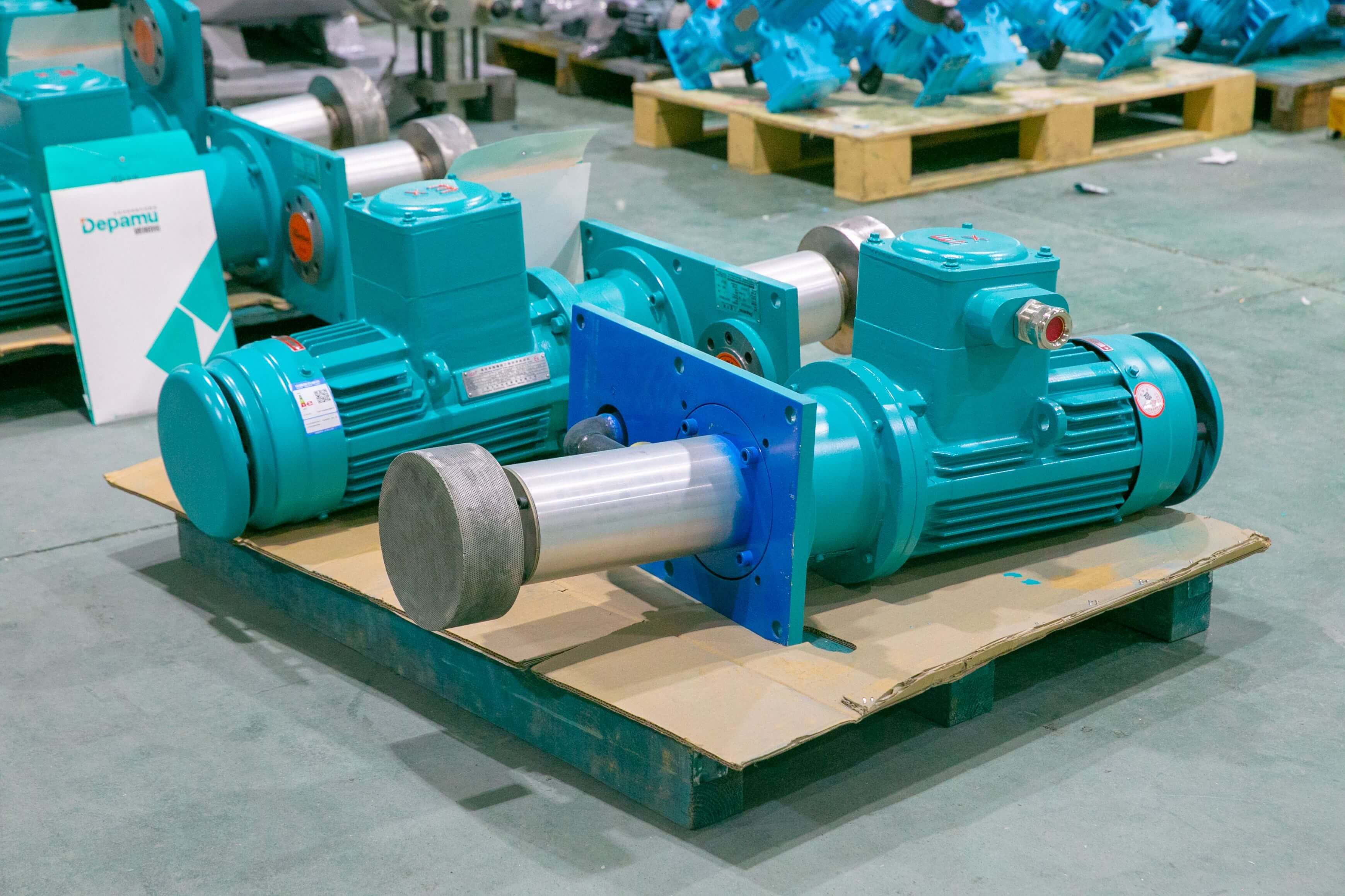
Introduction to the company's technological strength: Innovative design of Depam's triple-screw pump
Established in 2003, Depam specializes in the R&D of high-end positive displacement pumps, boasting over 400 employees and a factory covering 35,000 square meters, with an annual output value of approximately 500 million yuan. Its technological breakthroughs in triple-screw pumps are mainly reflected in three aspects:
STEP1:Double mechanical face seal + flushing systemIt employs silicon carbide/tungsten carbide seal rings with a temperature resistance of up to 300℃. When combined with an external flushing system, the leakage rate can be controlled below 0.1%. For instance, in a nuclear power plant project, it operated continuously for two years without any leakage, earning high recognition from the customer.
STEP2:Optimize the clearance between the screw and the bushingThrough CFD fluid simulation analysis, the gap is controlled within 0.15-0.25mm, combined with surface hardening treatment (hardness HRC≥60), extending the equipment's lifespan to over 8 years. In a certain petroleum refining project, a single pump has accumulated over 30,000 hours of operation while maintaining stable performance.
STEP3:Low-resistance flow channel designIt adopts a helical inlet and an involute outlet to reduce fluid turbulence, increasing motor power utilization to 85%-90%. Taking the conveyance of a medium with a viscosity of 1000 mPa·s as an example, energy consumption is reduced by 20% compared to traditional pumps.
Technical parametersDepamp's triple-screw pumps cover specifications from DN25 to DN200, with a flow rate range of 0.5-1000 m³/h, pressure ratings of 1.6-40 MPa, and an applicable temperature range from -50°C to 350°C. They can transport complex media ranging from clean water to high-viscosity substances and those containing solid particles. For more information, please visit the official website:www.depamufluid.com
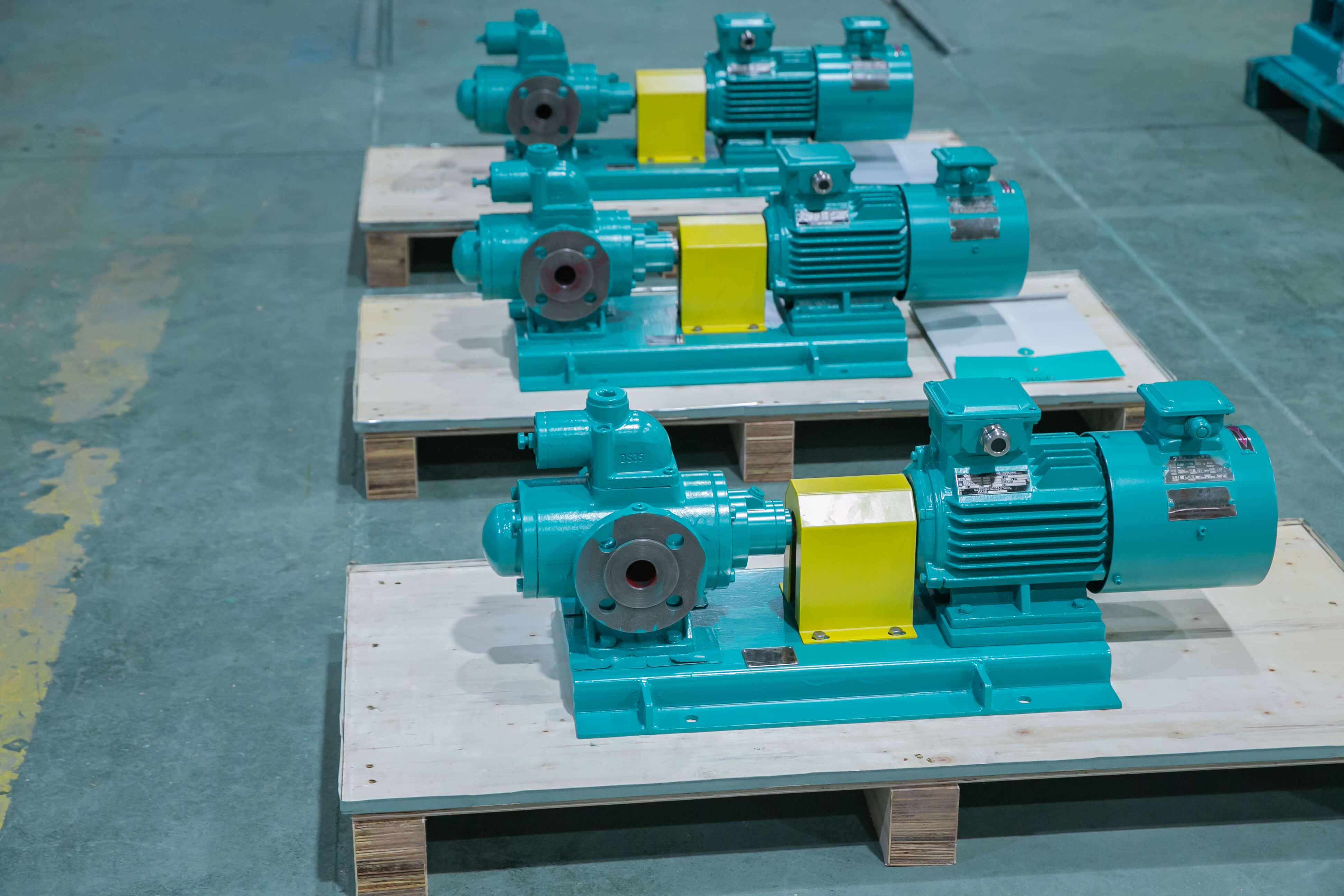
FAQ Q&A Technical Selection Guide
Q1: How to select the material of a three-screw pump based on the characteristics of the medium?
A: When conveying corrosive media (such as acids and alkalis), 316L stainless steel or Hastelloy should be prioritized; when conveying media containing solid particles, hard alloy bushings should be used; for high-temperature operating conditions (>200℃), high-temperature alloy materials should be selected.
Q2: How to match the flow rate and pressure of a three-screw pump?
A: The flow rate is proportional to the rotational speed, while the pressure is related to the screw diameter and the number of stages. For example, to convey a medium with a flow rate of 100 m³/h and a pressure of 10 MPa, a DN80 triple-screw pump with a rotational speed of 960 rpm and a matching 15 kW motor can be selected.
Q3: How to reduce the operating noise of a three-screw pump?
A: By optimizing the screw meshing angle (recommended at 120°), adding shock-absorbing pads, and using low-noise motors, noise can be controlled below 75 dB, meeting indoor usage requirements.
Q4: What is the maintenance interval for a triple-screw pump?
A: Under normal operating conditions, replace the lubricating oil every 5,000 hours and inspect the seals every 2 years; under conditions involving particulate-laden media, the inspection interval should be shortened to every 2,000 hours.
Q5: Does Depam provide customized services?
A: Yes, Depam can adjust the screw length, number of stages, and inlet/outlet directions according to customers' process requirements, and provide complete fluid solutions. We have completed customized projects for over 500 enterprises.
Reference for full text summary
Technological upgrades for triple-screw pumps require coordinated breakthroughs in sealing, wear resistance, and energy efficiency. Depam has reduced leakage rates to below 0.1%, extended equipment lifespan to 8 years, and lowered energy consumption by 20% through dual-face seals, clearance optimization, and flow channel design. Its products are widely used in petroleum refining, chemical engineering, and new energy sectors. When selecting equipment, enterprises should consider medium characteristics, flow and pressure requirements, and maintenance costs, choosing suppliers with customization capabilities. For more information, visit the official website:www.depamufluid.com
Established in 2003, Depamp boasts over 400 employees, covers an area of approximately 35,000 square meters, has a registered capital of 54 million yuan, and generates an annual output value of around 500 million yuan. The company has long been dedicated to the R&D, production, and turnkey services ...
No. 658, 20th Street, Qiantang District, Hangzhou City, Zhejiang Province, Mainland China