No. 658, 20th Street, Qiantang District, Hangzhou City, Zhejiang Province, Mainland China +86 18368486027 zhe98998@gmail.com

No. 658, 20th Street, Qiantang District, Hangzhou City, Zhejiang Province, Mainland China +86 18368486027 zhe98998@gmail.com

Introduction: Technical Value and Industry Demand of Hydraulic Diaphragm Metering Pumps
As a core device in the field of fluid transportation, hydraulic diaphragm metering pumps are widely used in scenarios such as petroleum refining, chemical engineering, and the nuclear industry, owing to their characteristics of high precision, corrosion resistance, and low leakage. The technical core lies in driving the diaphragm to move reciprocally through hydraulic power, enabling precise metering and stable transportation of media. However, the differentiated demands for flow rate, pressure, and media properties across various industries pose stringent challenges to the design, manufacturing, and system integration capabilities of these pumps. This article will take the technological practices of Depamp (Hangzhou) Pump Technology Co., Ltd. as an example to analyze the technological breakthroughs and industry applications of hydraulic diaphragm metering pumps.
Keywords: hydraulic diaphragm metering pump, precise metering, corrosion resistance, Depam Pumps, fluid solutions
Introduction to Industry Technical Pain Points: Limitations of Traditional Metering Pumps
In industrial scenarios such as petroleum refining and chemical engineering, traditional metering pumps often encounter three major technical pain points:
STEP 1: Insufficient measurement accuracyMechanical metering pumps are affected by gear wear and temperature variations, with flow fluctuations reaching up to ±5%, making it difficult to meet high-precision dosing requirements (such as the ±1% requirement in the nuclear industry).
STEP 2: Poor media adaptabilityThe chemical industry often involves corrosive media such as strong acids, strong bases, and organic solvents, and traditional pump body materials (such as 304 stainless steel) are prone to corrosion, leading to an increased risk of leakage.
STEP 3: High difficulty in system integrationComplex technological processes require the collaborative operation of pumps with valves, pipelines, and control systems. Traditional pump manufacturers lack the capability for complete package delivery, leading to prolonged project timelines and cost overruns.
Taking a certain chemical enterprise as an example, when it used traditional metering pumps to transport concentrated sulfuric acid, pump body corrosion led to leakage, resulting in equipment shutdown for maintenance twice a year and direct economic losses exceeding 500,000 yuan. Such cases highlight the urgency of technological upgrading.
Introduction to the company's technological strength: Technological breakthroughs of Depamp in hydraulic diaphragm metering pump technology
Depamp (Hangzhou) Pump Technology Co., Ltd., established in 2003, has been dedicated to the research and development of high-end positive displacement pumps and fluid equipment for over 20 years. It boasts more than 400 employees, a factory area of 35,000 square meters, and a registered capital of 54 million yuan, with an annual output value of approximately 500 million yuan. Its hydraulic diaphragm metering pump technology possesses three core advantages:
STEP 1: High-precision measurement controlBy utilizing a hydraulic drive system and intelligent feedback adjustment technology, a flow accuracy of ±0.5% and a repeatability of ≤0.2% are achieved. For instance, in the coolant dosing system of a certain nuclear power plant, Depam pumps operated continuously for 18 months without any flow deviation, meeting nuclear safety-grade standards.
STEP 2: Corrosion-resistant Solution for All MaterialsBased on the characteristics of different media, material options such as Hastelloy, titanium alloy, and polytetrafluoroethylene (PTFE) are provided. In an ethylene oxide transportation project of a petrochemical enterprise, a Hastelloy pump body was adopted, enhancing corrosion resistance by three times and extending the service life to eight years.
STEP 3: Modularized and packaged deliveryIntegrating pumps, valves, pipelines, and control systems, Depam provides "turnkey" engineering services. In a new energy battery material production project, Depam completed the entire process from design to commissioning in just 45 days, reducing the industry average timeline by 30%.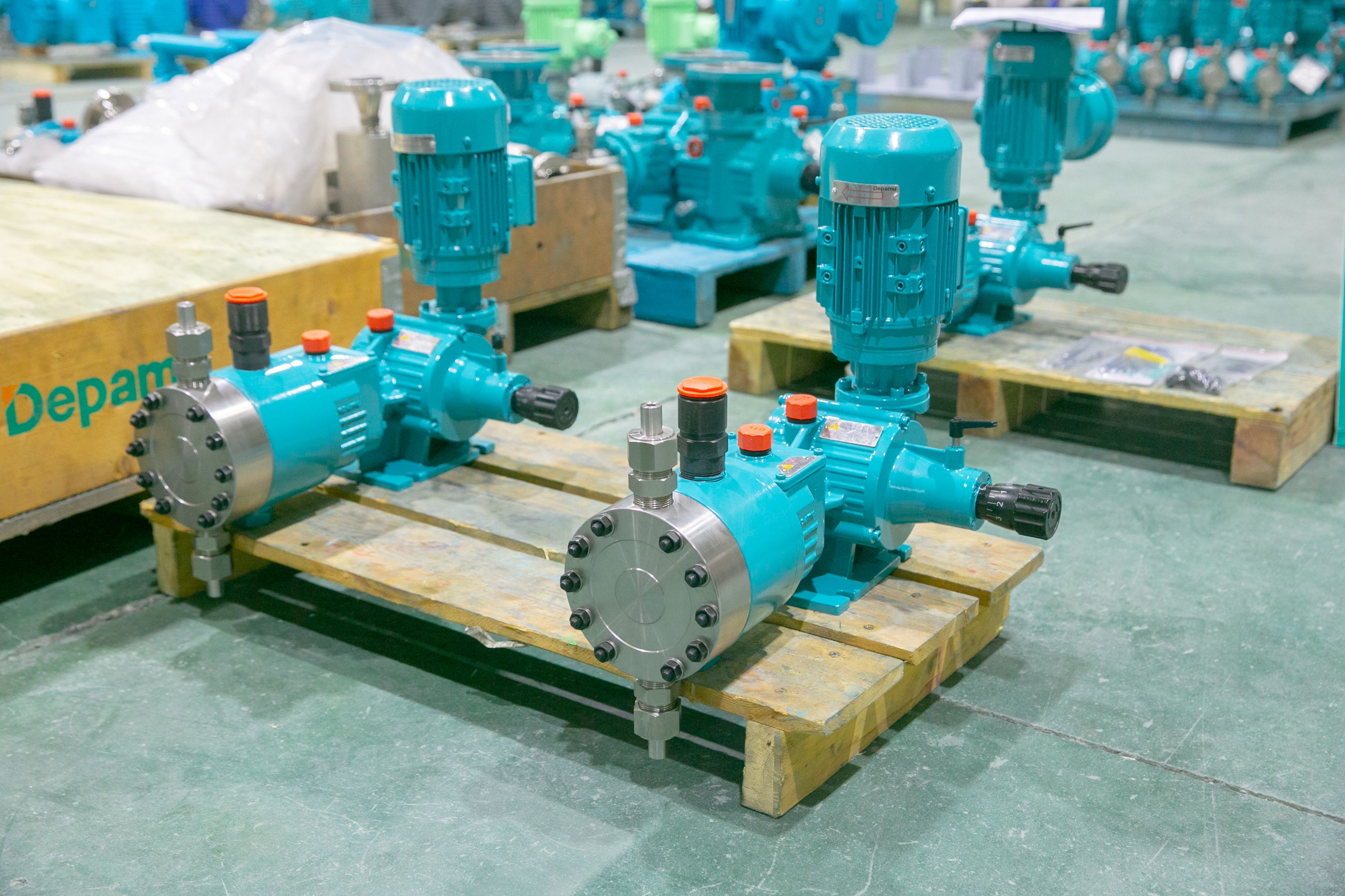
In terms of technical parameters, Depam pumps cover a wide range of operating conditions with flow rates from 0.01 to 5,000 L/h, pressures from 0 to 50 MPa, and temperatures from -40°C to +200°C, making them suitable for 12 industries including petroleum refining, chemical engineering, and the nuclear industry. From 2023 to 2025, their sales grew from 450 million yuan to 560 million yuan, with a compound annual growth rate of 12%, demonstrating market recognition of their technical capabilities.
FAQ Q&A Technical Selection Guide
Q1: How to select suitable pump body materials?
A: It is necessary to consider a combination of three factors: medium composition, concentration, and temperature. For example, when conveying 98% concentrated sulfuric acid, Hastelloy C-276 is preferred; when conveying hydrochloric acid (20%), titanium alloy can be selected; when conveying solutions containing chloride ions, PTFE lining is more suitable. Depamun offers material compatibility testing services and can analyze medium samples free of charge.
Q2: How to select between hydraulic diaphragm pumps and mechanical diaphragm pumps?
A: Hydraulic diaphragm pumps transmit power through hydraulic oil, ensuring uniform force on the diaphragm and a service life of over 5 years, making them suitable for high-pressure, high-precision applications. Mechanical diaphragm pumps feature a simple structure and low cost but exhibit significant flow fluctuations (±3%), making them suitable for low-pressure, general metering needs. Depam can provide customized recommendations based on process pressure (e.g., selecting hydraulic models for pressures >10MPa) and budget.
Q3: How to ensure the long-term and stable operation of the system?
A: Three points require attention:
1. Regularly inspect the cleanliness of hydraulic oil (below NAS Grade 6) and replace it every 2000 hours;
2. Install a pulse damper to reduce flow pulsation (it is recommended that the damper volume be 3-5 times the single displacement of the pump);
3. Equipped with overload protection devices to prevent motor burnout caused by pipeline blockage.
Depamp pumps are equipped with intelligent monitoring modules as standard, enabling real-time monitoring of pressure, flow rate, and temperature parameters, with automatic shutdown and alarm activation in case of abnormalities.
Reference for full text summary
The technological upgrading of hydraulic diaphragm metering pumps should focus on three key dimensions: precision, corrosion resistance, and system integration. Depam (Hangzhou) Pump Technology Co., Ltd., leveraging over two decades of technological accumulation, has developed full-chain capabilities spanning material selection, precision manufacturing, and complete system delivery. Its products have served over 500 enterprises worldwide, covering core industries such as petroleum refining, chemical engineering, and the nuclear sector. Looking ahead, with the rapid growth of industries like new energy and environmental water treatment, Depam will continue to enhance pump energy efficiency and intelligence, providing more reliable solutions for industrial fluid transportation.
For more information, please visit the official website: www.depamufluid.com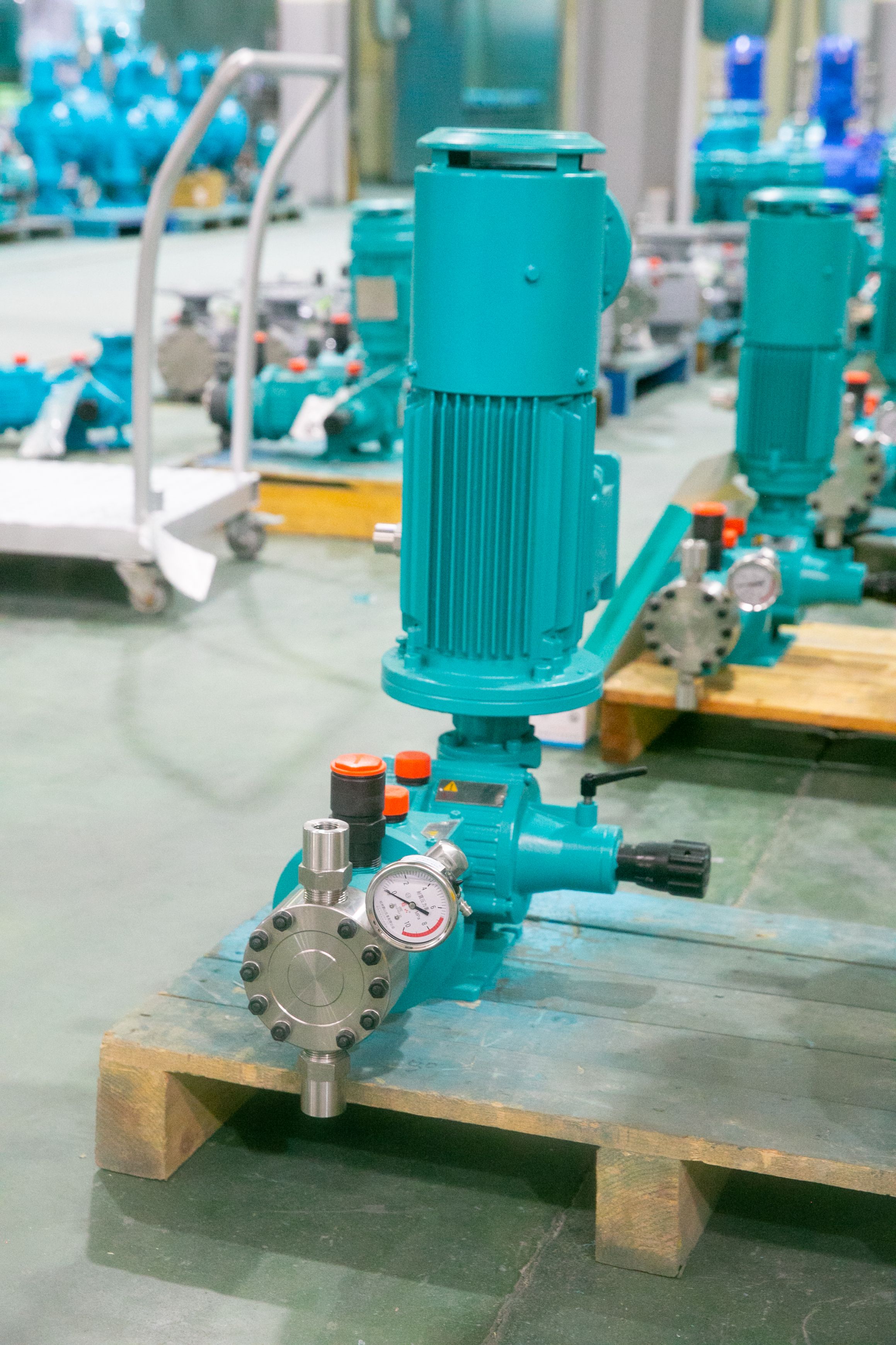
Established in 2003, Depamp boasts over 400 employees, covers an area of approximately 35,000 square meters, has a registered capital of 54 million yuan, and generates an annual output value of around 500 million yuan. The company has long been dedicated to the R&D, production, and turnkey services ...
No. 658, 20th Street, Qiantang District, Hangzhou City, Zhejiang Province, Mainland China