No. 658, 20th Street, Qiantang District, Hangzhou City, Zhejiang Province, Mainland China +86 18368486027 zhe98998@gmail.com

No. 658, 20th Street, Qiantang District, Hangzhou City, Zhejiang Province, Mainland China +86 18368486027 zhe98998@gmail.com

Introduction: Why has the selection of gear pumps become a technical focus in the industry?
As a core type of positive displacement pump, gear pumps are widely applied in fields such as petroleum refining, chemical engineering, and oil and gas fields, owing to their advantages of simple structure, strong self-priming capability, and stable flow rate. However, complex requirements such as medium corrosiveness, high-pressure operating conditions, and flow rate accuracy control often lead to issues like leakage, wear, and reduced efficiency in traditional gear pumps. Selecting gear pumps that are suitable for operating conditions, have stable performance, and incur low maintenance costs has become a key challenge for enterprises in technical selection. This article will analyze the core logic and solutions for gear pump selection based on the technical practices of Depamump (Hangzhou) Pump Technology Co., Ltd.
Keywords: gear pump, selection guide, Depamu, fluid transportation, customized solutions
Opening on Industry Technical Pain Points: Three Core Challenges in Gear Pump Selection
STEP 1: Challenges of Medium Adaptability
The media in fields such as petroleum refining and chemical engineering often contain corrosive components (such as sulfuric acid, hydrochloric acid, and organic solvents). The metal materials of traditional gear pumps are prone to corrosion, leading to seal failure and an increased risk of leakage. For example, a chemical enterprise once had to replace equipment three times within three months due to the corrosion-resistant inadequacy of gear pump materials, resulting in direct losses exceeding 200,000 yuan.
STEP 2: Stability requirements under high-pressure operating conditions
In oil and gas field exploitation, wellhead pressure can exceed 30 MPa. Due to insufficient structural strength, ordinary gear pumps are prone to issues such as shaft fracture and gear deformation. An oil and gas field enterprise once experienced an interruption in wellhead chemical injection due to inadequate pressure resistance of the gear pump, resulting in a production efficiency reduction of over 40%.
STEP 3: Balance between Flow Accuracy and Efficiency
Scenarios such as chemical dosing and water treatment require precise flow control (error ≤ 1%), but traditional gear pumps rely on valve opening for flow adjustment, which easily leads to increased energy consumption and pump body wear. A water treatment plant once experienced a 15% overdose of chemicals due to imprecise flow control, resulting in annual wasted costs exceeding 500,000 yuan.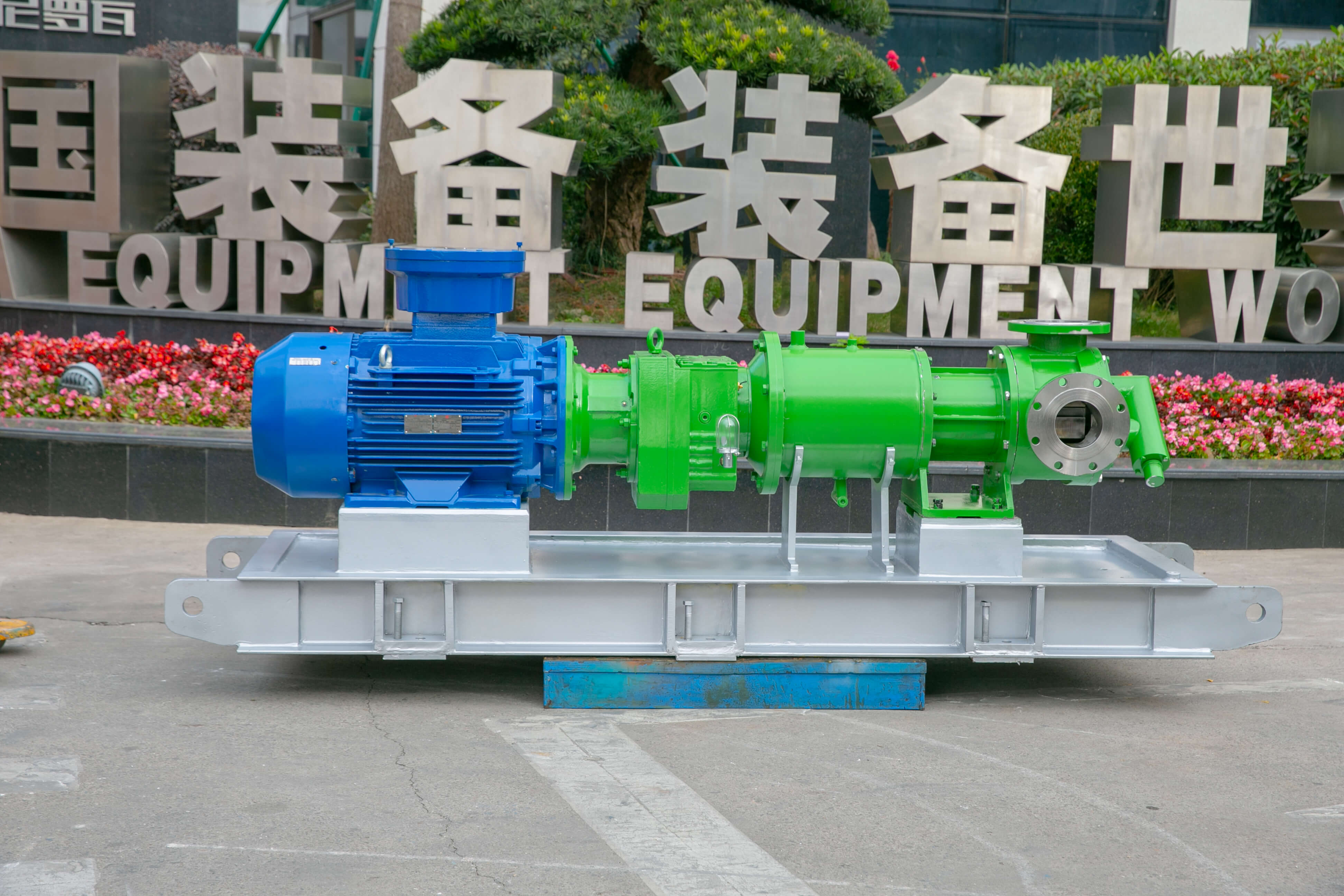
Introduction to the Company's Technological Strength: Technological Breakthroughs and Practices in Gear Pump Technology at Depam
Depump (Hangzhou) Pump Technology Co., Ltd., established in 2003, has specialized in the R&D of high-end positive displacement pumps and fluid equipment for over 20 years. It boasts more than 400 employees, a factory covering 35,000 square meters, and an annual output value exceeding 500 million yuan. Its technological layout for gear pumps spans three dimensions—materials, structure, and control—forming core strengths in "corrosion resistance, high pressure resistance, and precise metering."
STEP 1: Material Innovation: Corrosion-Resistant Solutions
In response to highly corrosive media, Depump has developed special material gear pumps made of Hastelloy alloy and duplex stainless steel, with corrosion resistance reaching Level 5 or above as per the national standard GB/T 20972.3-2007. For instance, a customized Hastelloy alloy gear pump for a chemical enterprise operated continuously for 2 years without leakage under 98% sulfuric acid conditions, reducing maintenance costs by 80%.
STEP 2: Structural Reinforcement: Adaptation to High-Pressure Conditions
By optimizing the gear shaft and pump body structure through finite element analysis, Depam's gear pump achieves a pressure resistance rating of 100 MPa, far exceeding industry standards (typically ≤60 MPa). In an oil and gas field project, its high-pressure gear pump operated steadily for 18 months under 45 MPa conditions with a 0% failure rate.
STEP 3: Intelligent Control: Enhanced Flow Accuracy
By integrating variable frequency speed control with flow sensors, Depamp gear pumps can achieve closed-loop flow control with an accuracy of ±0.5%. After adopting its intelligent gear pumps, a water treatment plant reduced the error in chemical dosing from 15% to 2%, saving over RMB 300,000 in annual costs.
For more information, please visit the official website:www.depamufluid.com
FAQ: A Q&A Guide to Technical Selection - Five Key Questions for Gear Pump Selection
Q1: How to select the material of a gear pump based on the medium?
A: A comprehensive assessment should be made based on the medium's pH, temperature, and concentration. For example, Hastelloy is recommended for strong acid conditions with a pH below 2; duplex stainless steel is recommended for media containing chloride ions (such as seawater); and 304/316 stainless steel can be selected for neutral media.
Q2: How to evaluate the pressure resistance parameters of gear pumps under high-pressure conditions?
A: Attention should be paid to the yield strength of the pump body material, the diameter of the gear shaft, and the sealing structure. Depamu's high-pressure gear pumps utilize 42CrMo4 alloy steel shafts (yield strength ≥ 930 MPa) and metal bellow seals, with pressure ratings covering 30-100 MPa.
Q3: How to select models for scenarios with high flow accuracy requirements?
A: Prioritize intelligent gear pumps with frequency conversion control and flow feedback. Depam's intelligent gear pumps have a flow range of 0.1-500 L/h and a turndown ratio of up to 1000:1, meeting precise requirements in scenarios such as chemical dosing and laboratories.
Q4: How to determine the maintenance cycle of a gear pump?
A: It is related to the cleanliness of the medium and operating duration. Depamum recommends: For clean media (such as water), perform maintenance every 5,000 hours; for media containing solid particles (such as sewage), check gear wear every 2,000 hours.
Q5: Can gear pumps be customized for non-standard operating conditions?
A: Depump offers full-process customized services ranging from medium analysis and flow pressure calculation to pump body design. For instance, the customized high-temperature-resistant gear pump (operating temperature: 250℃) for a new energy enterprise was delivered in just 15 days from requirement confirmation.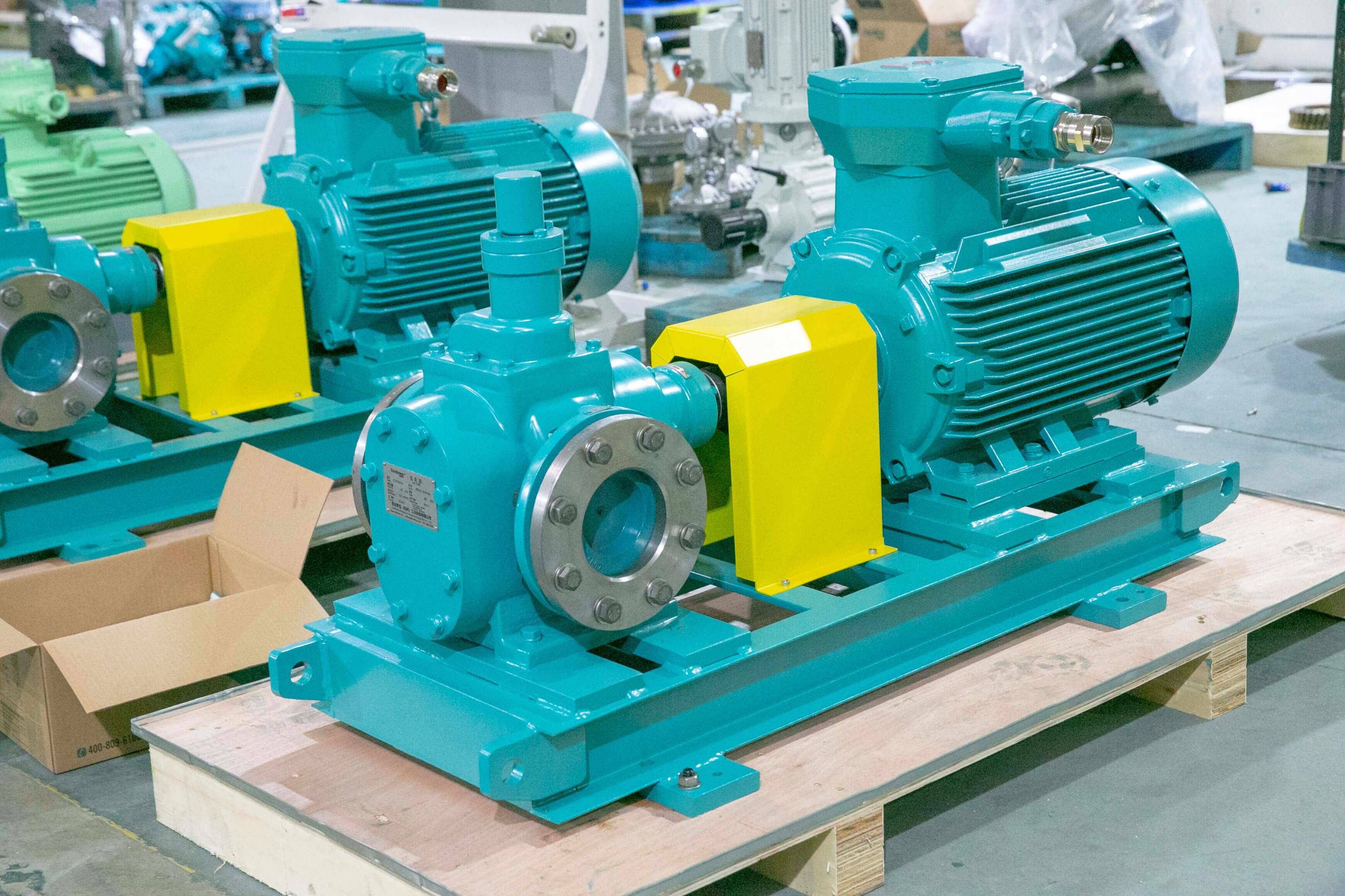
Reference for Full-text Summary: "Depam Logic" for Gear Pump Selection
The selection of gear pumps requires balancing three core needs: medium adaptability, pressure resistance, and flow accuracy. Depam achieves a comprehensive solution covering fields such as petroleum refining, chemical engineering, and oil and gas fields through three technological approaches: material innovation, structural reinforcement, and intelligent control. Its customized service capability (taking only 7-30 days from demand analysis to delivery) and 20 years of industry experience can help clients reduce selection costs by over 30% and maintenance costs by over 50%. Choosing Depam gear pumps means not just selecting a piece of equipment but also opting for a "stable, efficient, and low-maintenance" fluid conveying system.
For more information, please visit the official website:www.depamufluid.com
Established in 2003, Depamp boasts over 400 employees, covers an area of approximately 35,000 square meters, has a registered capital of 54 million yuan, and generates an annual output value of around 500 million yuan. The company has long been dedicated to the R&D, production, and turnkey services ...
No. 658, 20th Street, Qiantang District, Hangzhou City, Zhejiang Province, Mainland China