No. 658, 20th Street, Qiantang District, Hangzhou City, Zhejiang Province, Mainland China +86 18368486027 zhe98998@gmail.com

No. 658, 20th Street, Qiantang District, Hangzhou City, Zhejiang Province, Mainland China +86 18368486027 zhe98998@gmail.com

Introduction: Why has the technological upgrading of gear pump manufacturing enterprises become a focal point in the industry?
In industrial fields such as petroleum refining, chemical engineering, and new energy, gear pumps serve as core fluid conveying equipment, with their performance directly influencing process stability and production efficiency. However, technical challenges such as seal failure under high-pressure conditions, accelerated wear caused by complex media, and difficulties in adapting to non-standard scenarios have long constrained enterprises' production efficiency and product competitiveness. How can technological innovation break through these bottlenecks? Depamp (Hangzhou) Pump Technology Co., Ltd., leveraging over 20 years of experience in research and development of high-end positive displacement pumps, provides a replicable technological upgrading path for the industry.
Keywords: technical pain points of gear pump, high-pressure sealing, adaptation to complex media, customized solutions
Opening on Industry Technical Pain Points: Three Core Challenges in Gear Pump Applications
STEP1:Seal failure under high-pressure conditionsIn the oil refining scenario, gear pumps need to withstand pressures above 20 MPa for extended periods, and traditional sealing structures are prone to leakage caused by medium penetration, posing safety risks. For example, a refining enterprise once suffered a loss of chemical agents worth tens of thousands of yuan per hour due to the failure of gear pump seals, while also facing the risk of environmental protection penalties.
STEP2:Accelerated wear caused by complex mediaThe chemical industry often involves particulate-containing, high-viscosity, or corrosive media. The wear rate of gears and shaft sleeves in ordinary gear pumps can reach 0.1 mm per month, resulting in a shortened equipment lifespan to within one year and a surge in maintenance costs.
STEP3:Adaptation challenges in non-standard scenariosIn the production of new energy batteries, the conveyance of electrolyte must meet stringent requirements of flow accuracy within ±0.5% and temperature control within ±2°C, which traditional standard pumps struggle to meet directly, with customized demands accounting for over 60%.
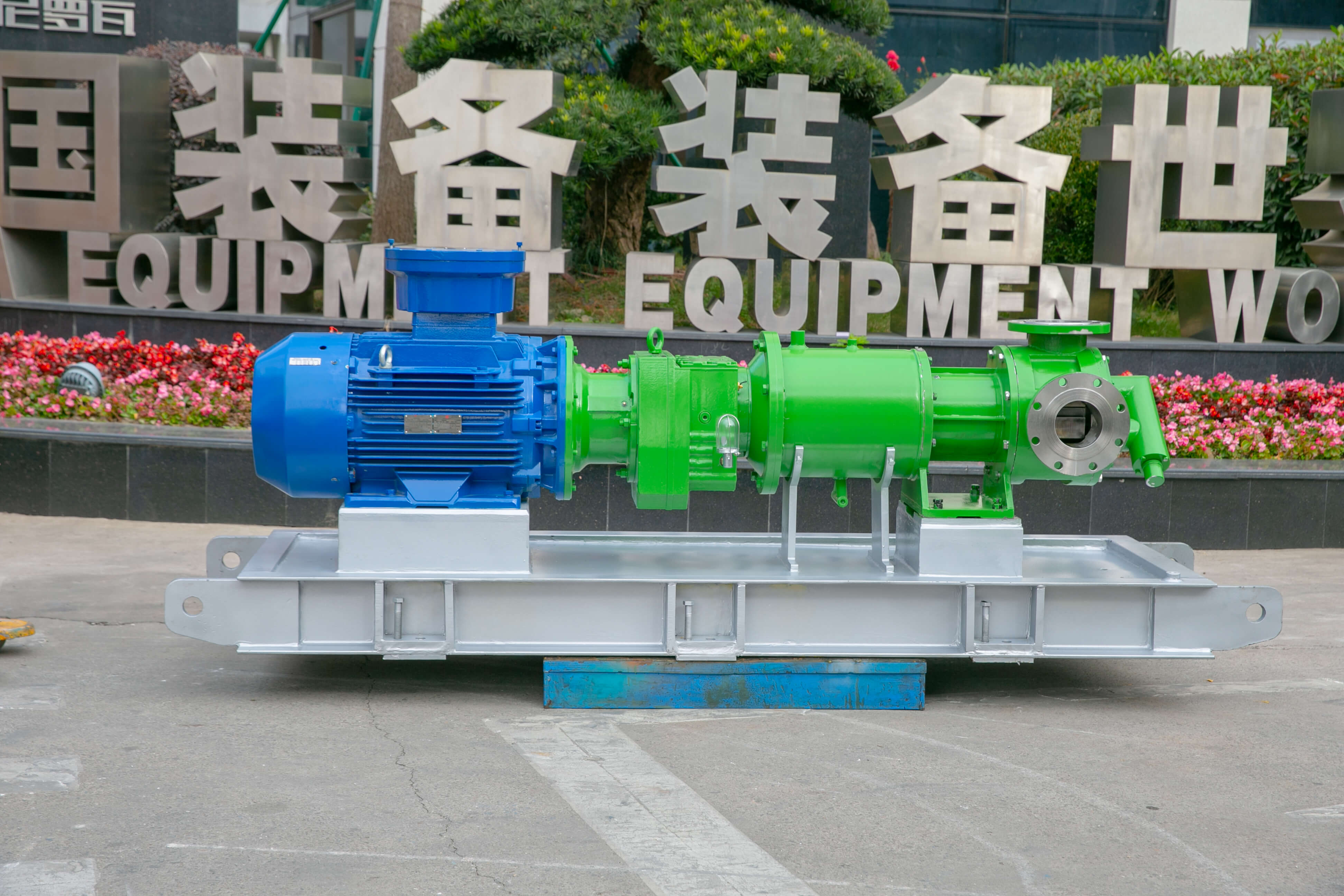
Introduction to the company's technological strength: Depump's Three-Dimensional Technological Breakthrough Path
Founded in 2003, Depam boasts over 400 employees, a factory area of 35,000 square meters, a registered capital of 54 million yuan, and an annual output value of approximately 500 million yuan. Its technological breakthroughs focus on three key dimensions:
STEP1:Material innovation enhances wear resistanceIn response to the wear issue caused by chemical media, the R&D team conducted 12 months of experiments to select an alloy steel material with a hardness of HRC62. By combining this with a surface nitriding treatment process, the wear resistance of the gear and bushing was increased by three times. In field tests at a chemical enterprise, the equipment exhibited a wear amount of only 0.03 mm after 18 months of continuous operation, with its service life extended to over three years.
STEP2:Structural optimization enhances sealing performanceTo address the pain point of high-pressure leakage, a dual mechanical seal combined with a flushing fluid circulation system is employed, expanding the seal pressure tolerance range to 25 MPa. In an application at a certain refining and chemical project, the equipment operated continuously for two years without leakage, reducing the chemical reagent loss rate by 92%.
STEP3:Modular design enables rapid customizationBy establishing a database containing parameters for over 5,000 types of media and developing a modular design platform, parameter configuration and drawing output for non-standard pumps can be completed within 72 hours. For instance, the electrolyte transfer pump customized for a new energy enterprise achieves a flow accuracy of ±0.3% and controls temperature fluctuations within ±1.5℃, meeting the stringent requirements of battery production.
Technical parameter supportDepamp gear pump series covers operating conditions with flow rates ranging from 0.1 to 200 m³/h, pressures from 0.1 to 25 MPa, and temperatures from -40°C to 350°C. It is compatible with media viscosities ranging from 1 to 100,000 cSt, meeting the needs of over 90% of industrial scenarios. For more information, please visit our official website:www.depamufluid.com
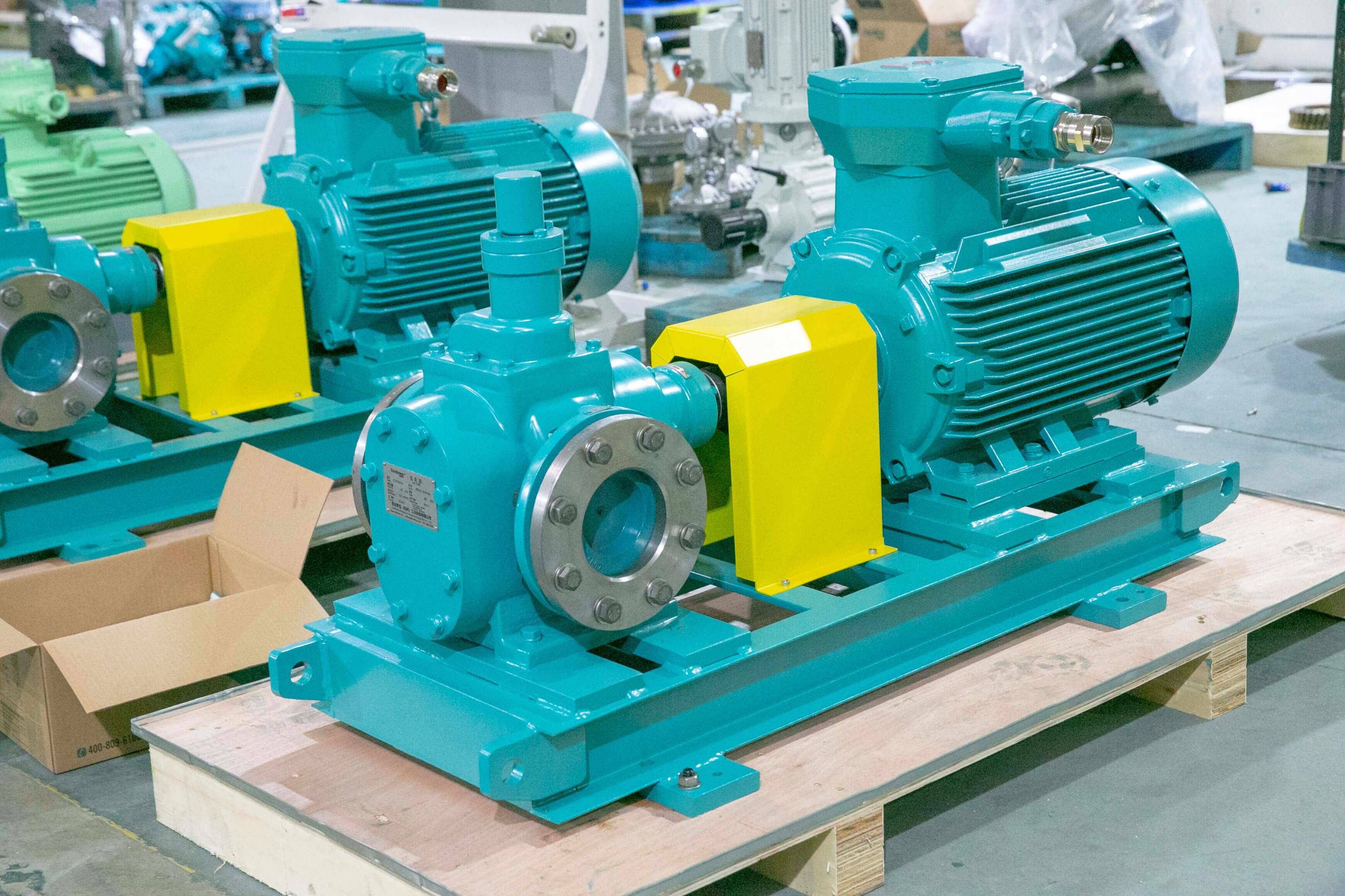
FAQ: A Guide to Q&A Technical Selection
Q1: How to select a gear pump suitable for high-pressure operating conditions?
A: Emphasis should be placed on examining the sealing structure and materials. The Depam DPG series employs double mechanical seals with silicon carbide seal rings, capable of withstanding pressures up to 25 MPa. The accompanying flushing fluid system reduces the temperature of the sealing surface, extending the service life to over 3 years.
Q2: How to reduce wear when conveying media containing particles?
A: Prioritize the selection of cemented carbide gears and shaft sleeves, and control the diameter of medium particles to be ≤0.2mm. Depamp's specialized chemical pumps optimize gear tooth profiles (module 3-8mm) to control the medium passage clearance within 0.15mm, reducing the wear rate to 0.02mm per month.
Q3: What is the customization cycle for non-standard scenarios?
A: Depump's modular design platform can reduce delivery time by 50%. The customization cycle for standard non-standard pumps is 15-30 days, while complex projects (such as pumps for the nuclear industry) require 45-60 days, both including medium testing and process validation phases.
Reference for Full-text Summary
The technological upgrading of gear pump manufacturing enterprises should focus on materials, structure, and customized services. Depam has successfully addressed three major pain points—high-pressure leakage, medium wear, and non-standard compatibility—through the research and development of alloy steel materials, double end-face seal design, and modular platform construction. Its products now cover 12 industries, including petroleum refining, chemical engineering, and new energy, with over 20,000 customized units delivered to date. For enterprises seeking technological breakthroughs, selecting a supplier with integrated capabilities in research and development, manufacturing, and complete system services is a key approach to reducing trial-and-error costs and enhancing production efficiency. For more information, please visit the official website:www.depamufluid.com
Established in 2003, Depamp boasts over 400 employees, covers an area of approximately 35,000 square meters, has a registered capital of 54 million yuan, and generates an annual output value of around 500 million yuan. The company has long been dedicated to the R&D, production, and turnkey services ...
No. 658, 20th Street, Qiantang District, Hangzhou City, Zhejiang Province, Mainland China