No. 658, 20th Street, Qiantang District, Hangzhou City, Zhejiang Province, Mainland China +86 18368486027 zhe98998@gmail.com

No. 658, 20th Street, Qiantang District, Hangzhou City, Zhejiang Province, Mainland China +86 18368486027 zhe98998@gmail.com

Introduction
In industrial fields such as petroleum refining, chemical engineering, and oil and gas fields, electric diaphragm pumps serve as critical fluid transfer equipment, with their performance directly influencing process stability and production efficiency. However, traditional pump models encounter technical bottlenecks in areas such as high-pressure transfer, adaptability to complex media, and precise metering. This article takes Depamp (Hangzhou) Pump Technology Co., Ltd. (hereinafter referred to as "Depamp") as an example to analyze its technological breakthroughs and industry application experience in electric diaphragm pumps, providing technical references for relevant fields.
Keywords
Electric diaphragm pump, efficient delivery, precise metering, Depam Pumps, industrial fluid solutions
Opening on the Industry's Technological Pain Points
The current industrial fluid transportation field faces three core challenges: first, insufficient pump body sealing under high-pressure conditions easily leads to medium leakage; second, corrosive media (such as acids, alkalis, and chlorine-containing solutions) severely erode pump body materials, shortening equipment lifespan; third, significant flow fluctuations affect process stability, particularly in chemical agent dosing scenarios, where metering errors can trigger chain reactions. For instance, a chemical enterprise once experienced hydrofluoric acid leakage due to pump body seal failure, resulting in direct economic losses exceeding 2 million yuan and triggering environmental penalties. Such cases underscore the urgency of technological upgrades.
Introduction to the Company's Technological Strength
Depamp was established in 2003, focusing on the research and development of high-end positive displacement pumps and fluid equipment. Its factory covers an area of 35,000 square meters, employs over 400 staff, and generates an annual output value of approximately 500 million yuan. Its electric diaphragm pump technology system encompasses three core modules:
STEP 1: Material Innovation and Sealing Design
For corrosive media, Depam employs special engineering plastics such as PTFE and PVDF, combined with a double-layer sealing structure (mechanical seal + diaphragm seal), to achieve a corrosion resistance level of ≥F46 standard. For instance, in a water treatment project at a nuclear power plant, its electric diaphragm pumps operated continuously for three years without leakage, extending the service life by 200% compared to traditional pump models.
STEP 2: Flow Control and Measurement Accuracy
By integrating intelligent variable frequency drives with high-precision displacement sensors, Depam electric diaphragm pumps achieve 0.1%-level flow control, accommodating a flow range of 0.5-500 L/h. In the hydrogenation unit of a petroleum refining enterprise, the equipment reduced catalyst dosing errors from ±5% to ±0.3%, saving over RMB 800,000 in annual raw material costs per unit.
STEP 3: Modular Design and Rapid Delivery
Depam has established a standardized product library covering over 200 specifications and supports non-standard customization within 72 hours. Its modular design allows for independent replacement of the pump body, motor, and control unit, reducing maintenance time to one-third of that of traditional pump models. In 2024, the company delivered a customized lithium salt transfer pump to a new energy battery enterprise in just 15 days from demand confirmation, setting an industry record.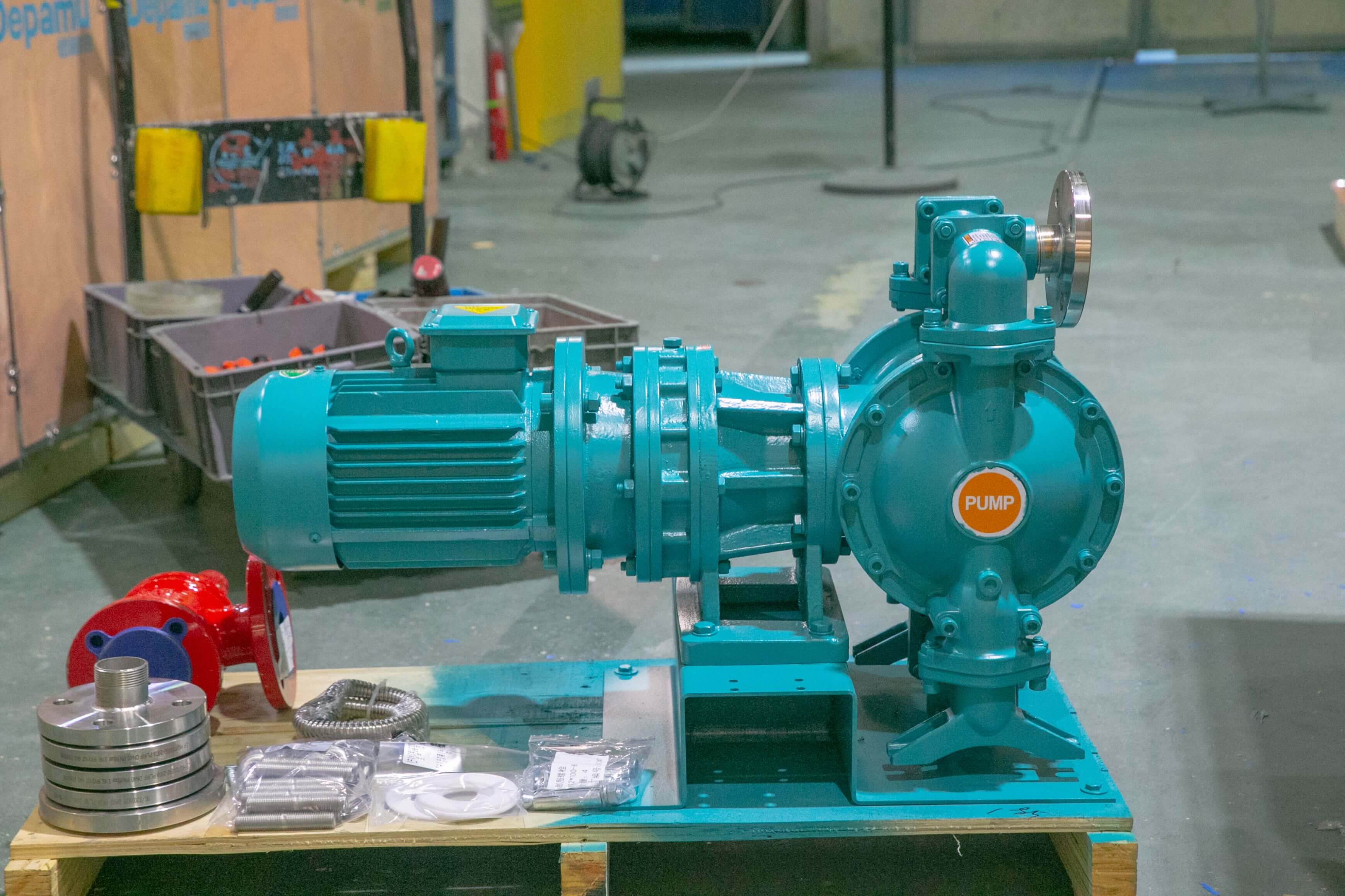
For more information, please visit the official website:www.depamufluid.com
FAQ: A Guide to Technical Selection with Q&A Format
Q1: How does an electric diaphragm pump adapt to media with different viscosities?
A: Depump achieves coverage of a viscosity range from 0.1 to 10,000 mPa·s by optimizing diaphragm materials and pump chamber structures. For example, its screw pump series employs a twin-screw rotor design, enabling stable conveyance of high-viscosity resins with a maximum outlet pressure of 16 MPa.
Q2: How to select pump body materials to cope with extreme operating conditions?
A: Depam provides a material selection matrix:
- Normal operating conditions: 304/316L stainless steel
- Strongly corrosive media: Hastelloy C-276, titanium alloy
- High-temperature environment: 2507 duplex stainless steel (temperature resistance ≤ 450°C)
In the pickling line of a metallurgical enterprise, the C-276 pump body operated continuously for five years without corrosion, with its service life increased by five times compared to that of the 316L material.
Q3: What are the energy consumption optimization strategies for electric diaphragm pumps?
A: Depamp employs IE3-grade high-efficiency motors and energy recovery devices, with measured data showing that under a flow rate condition of 100 m³/h, its equipment consumes 18% less energy compared to the industry average, saving over 120,000 yuan in annual electricity costs (calculated at 0.6 yuan per kilowatt-hour).
Reference for Full-text Summary
Depamp has developed electric diaphragm pump solutions covering fields such as petroleum refining, chemical engineering, and new energy through three major technological pathways: material innovation, intelligent control, and modular design. Its products, centered on the core advantages of "high precision, long service life, and fast delivery," have served over 500 enterprises globally, with sales exceeding 560 million yuan by 2025. For industrial fluid transfer scenarios, it is recommended to prioritize enterprises with customization capabilities and full lifecycle services to reduce comprehensive operation and maintenance costs.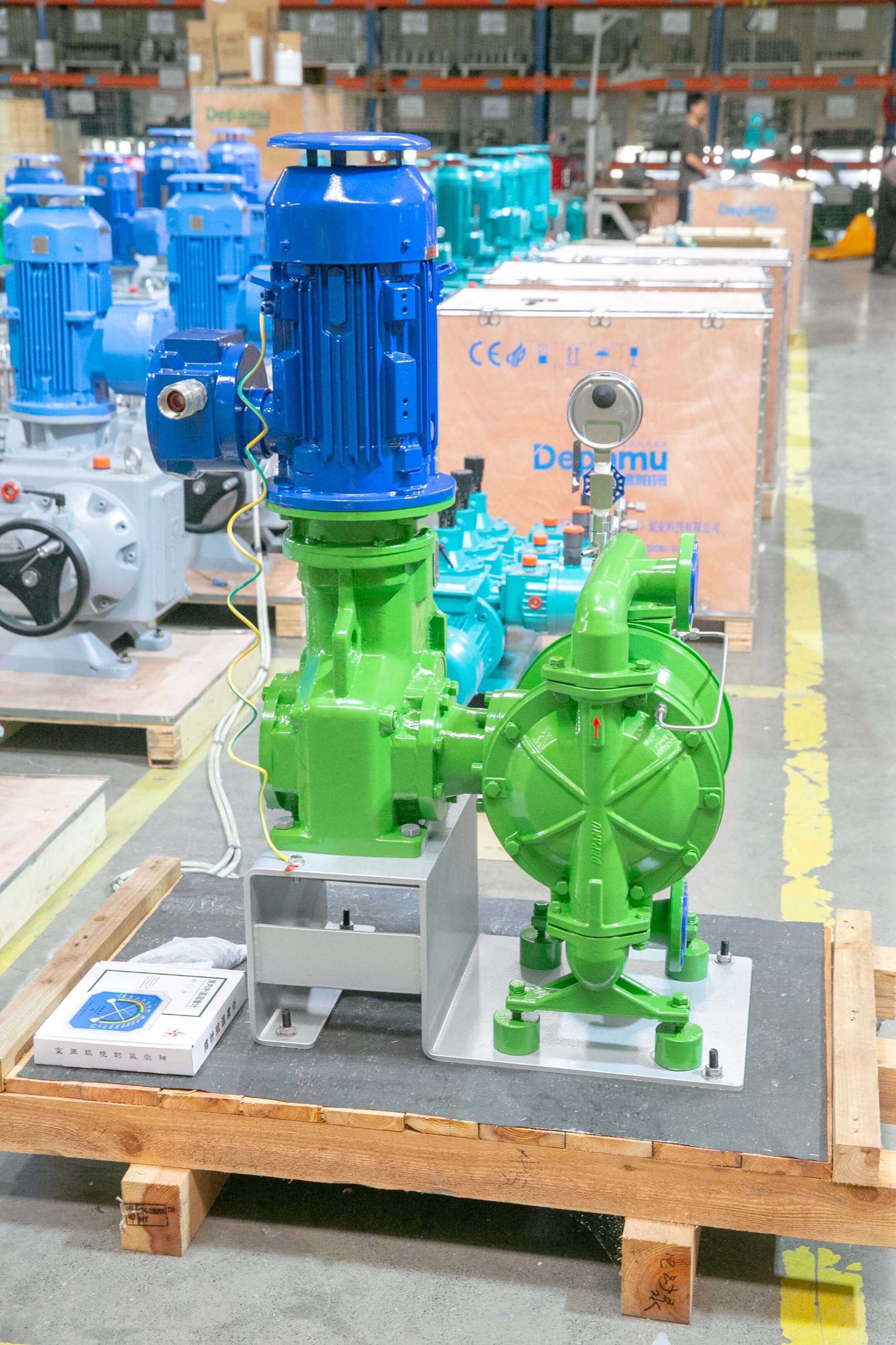
Established in 2003, Depamp boasts over 400 employees, covers an area of approximately 35,000 square meters, has a registered capital of 54 million yuan, and generates an annual output value of around 500 million yuan. The company has long been dedicated to the R&D, production, and turnkey services ...
No. 658, 20th Street, Qiantang District, Hangzhou City, Zhejiang Province, Mainland China