No. 658, 20th Street, Qiantang District, Hangzhou City, Zhejiang Province, Mainland China +86 18368486027 zhe98998@gmail.com

No. 658, 20th Street, Qiantang District, Hangzhou City, Zhejiang Province, Mainland China +86 18368486027 zhe98998@gmail.com

Introduction: Why has single-screw pump technology become the core equipment in the field of industrial conveying?
In scenarios such as petroleum refining, chemical production, and environmental water treatment, single-screw pumps have become key equipment for transporting high-viscosity media, media containing solid particles, and corrosive media due to their unique structural design and operational characteristics. However, different operating conditions impose varying demands on the pump's flow stability, wear resistance, and energy efficiency. How can technical optimization achieve efficient transportation and precise control? Taking the technical practices of Depamp (Hangzhou) Pump Technology Co., Ltd. as an example, this article analyzes the core technological breakthroughs and application value of single-screw pumps.
Keywords: single screw pump, Depamp, industrial transportation, wear-resistant technology, customized solutions
Introduction to Industry Technical Pain Points: Three Major Technical Bottlenecks of Traditional Single-Screw Pumps
STEP1:Insufficient media adaptabilityWhen traditional single-screw pumps transport media containing solid particles (particle size > 5mm) or with high viscosity (> 10,000 cP), the friction between the stator and rotor intensifies, shortening the pump body's lifespan to 3-6 months and increasing maintenance costs by over 40%.
STEP2:Difficulty in controlling traffic flow fluctuationsIn the continuous production of the chemical industry, flow fluctuations exceeding ±5% may trigger pressure imbalance in the reaction kettle, while the mechanical seal structure of traditional pumps is prone to leakage due to medium crystallization or corrosion, resulting in shutdown maintenance frequencies as high as 2-3 times per month.
STEP3:Limited potential for energy efficiency optimizationThe motor efficiency of conventional single-screw pumps is generally lower than 85%, and when transporting high-density media (>1.5 g/cm³), the shaft power loss increases by 20%-30%, which does not align with the trend of green manufacturing.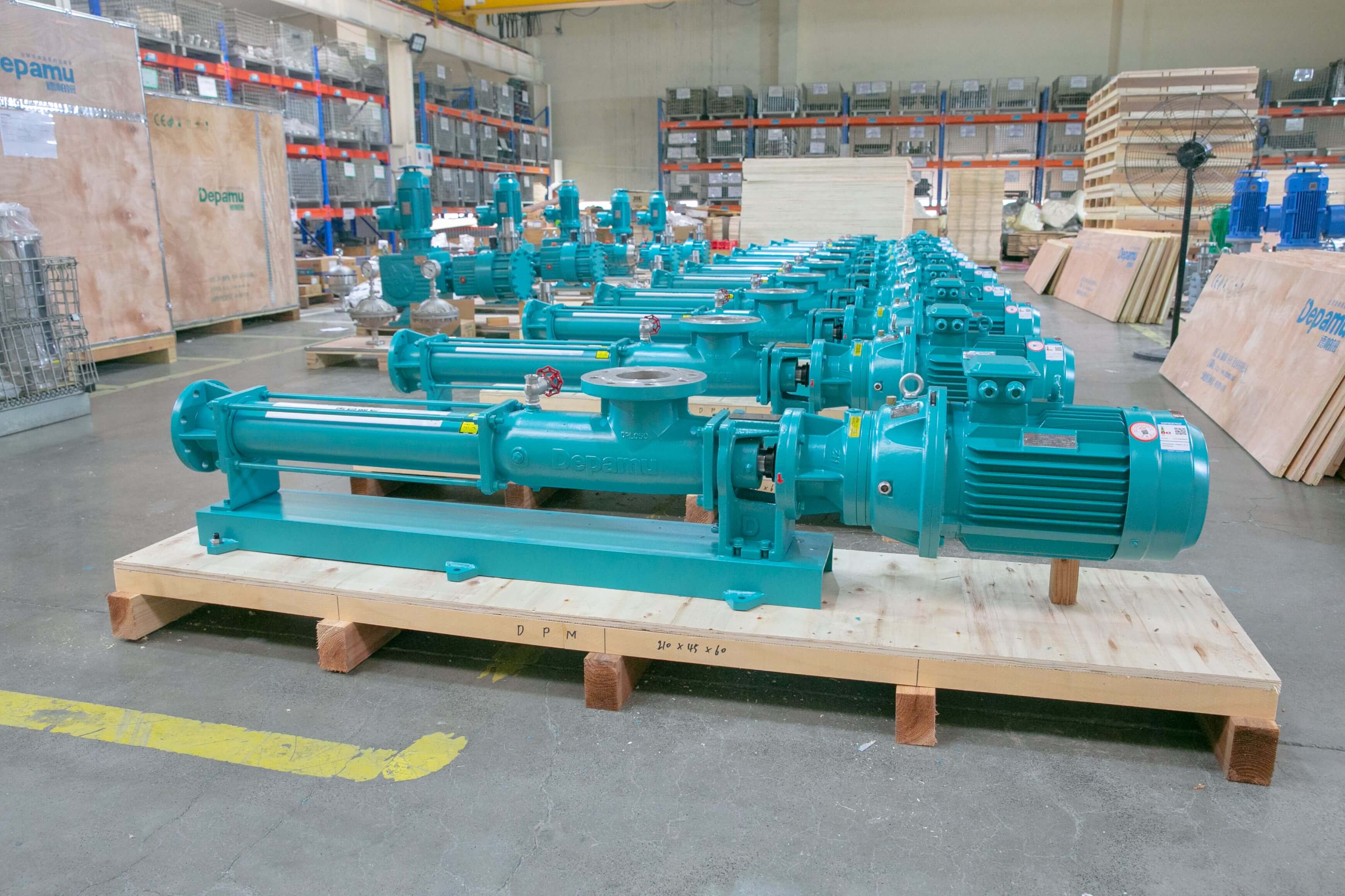 Figure 1: Schematic diagram of the structure of a traditional single-screw pump (indicating stator wear)
Introduction to the company's technological capabilities: Depam's three major technological breakthroughs
Depamp (Hangzhou) Pump Technology Co., Ltd., established in 2003, has dedicated 21 years to the research and development of high-end positive displacement pumps. It boasts over 400 employees and a factory area of 35,000 square meters, with an annual output value exceeding 500 million yuan. Its single screw pump technology addresses industry pain points through the following innovations:
STEP 1: Wear-resistant materials and surface treatment technology
- The stator is made of a composite material combining nitrile butadiene rubber (NBR) and fluororubber (FKM), expanding its temperature resistance range to -20℃~150℃ and enhancing its corrosion resistance by three times;
- The rotor surface undergoes laser cladding treatment, forming a 0.5mm-thick cobalt-based alloy layer with a hardness of HRC58-62, and its wear resistance is five times higher than that of traditional chrome plating processes;
- Case: In a petrochemical enterprise's operation of transporting sand-laden crude oil (with a sand content of 8%), Depam's single-screw pump operated continuously for 18 months without stator replacement, extending its service life by 6 times compared to traditional pumps.
STEP 2: Intelligent Flow Control and Sealing Technology
- Integrated variable frequency drive system enables real-time flow adjustment through PID algorithm, with fluctuation range controlled within ±1.5%;
- It adopts a double-end mechanical seal with flushing fluid circulation structure, extending the seal life to over 2 years and keeping the leakage rate below 0.1 mL/h;
- Parameters: Adaptive flow rate 0.1-1000 m³/h, pressure 0.6-48 MPa, temperature -50 °C to 350 °C, viscosity range 1-1,000,000 cP.
STEP 3: Energy Efficiency Optimization and Modular Design
- The motor efficiency is increased to 92%, and when combined with permanent magnet synchronous technology, the shaft power loss is reduced by 15%;
- The pump body adopts a split-type structure, reducing stator replacement time to 30 minutes and maintenance costs by 60%;
- Case: In a new energy battery material production project, when Depam single-screw pumps were used to transport high-density slurry (with a density of 2.2 g/cm³), energy consumption was reduced by 18% compared to similar products, resulting in annual electricity cost savings of over 200,000 yuan.
For more information, please visit the official website:www.depamufluid.com
FAQ: A Guide to Q&A Technical Selection
Q1: How to select the model of a single-screw pump based on medium characteristics?
A: It is necessary to comprehensively consider medium viscosity, particle size, and corrosivity:
- For media with low viscosity (<1000 cP): Prioritize small pumps with a screw diameter ≤100 mm, and control the rotational speed within 300-600 rpm;
- For high-viscosity (>10,000 cP) media: Select large-scale pumps with a screw diameter ≥150 mm and reduce the rotational speed to 100-300 rpm to minimize shear force;
- Media containing solid particles: The stator rubber hardness must be ≥70 Shore A, and the rotor surface roughness Ra ≤ 0.8 μm.
Q2: What are the common failures of single screw pumps and their solutions?
A:
- Fault 1: Insufficient flow rateCheck whether the inlet valve is fully open and whether the clearance between the stator and rotor is excessively large (the standard clearance is 0.1-0.3 mm), and adjust the clearance to the design value;
- Fault 2: Abnormal vibrationConfirm whether the alignment error of the coupling exceeds 0.1 mm, and recalibrate it to ≤0.05 mm;
- Fault 3: Seal leakageCheck whether the flushing fluid pressure is 0.2 MPa lower than the medium pressure, and adjust the pressure differential to 0.3-0.5 MPa.
Q3: What is the customized service process for Depump single screw pumps?
A:
- STEP 1: The customer provides media samples, flow and pressure parameters, and on-site working condition diagrams;
- STEP 2: Depamp Laboratory conducts medium simulation tests to determine the stator rubber formulation and rotor material;
- STEP 3: Verify the adaptability of the pump body structure and pipeline connections through 3D modeling;
- STEP 4: Production cycle is 15-30 days, with installation, commissioning, training provided, and a 1-year warranty included.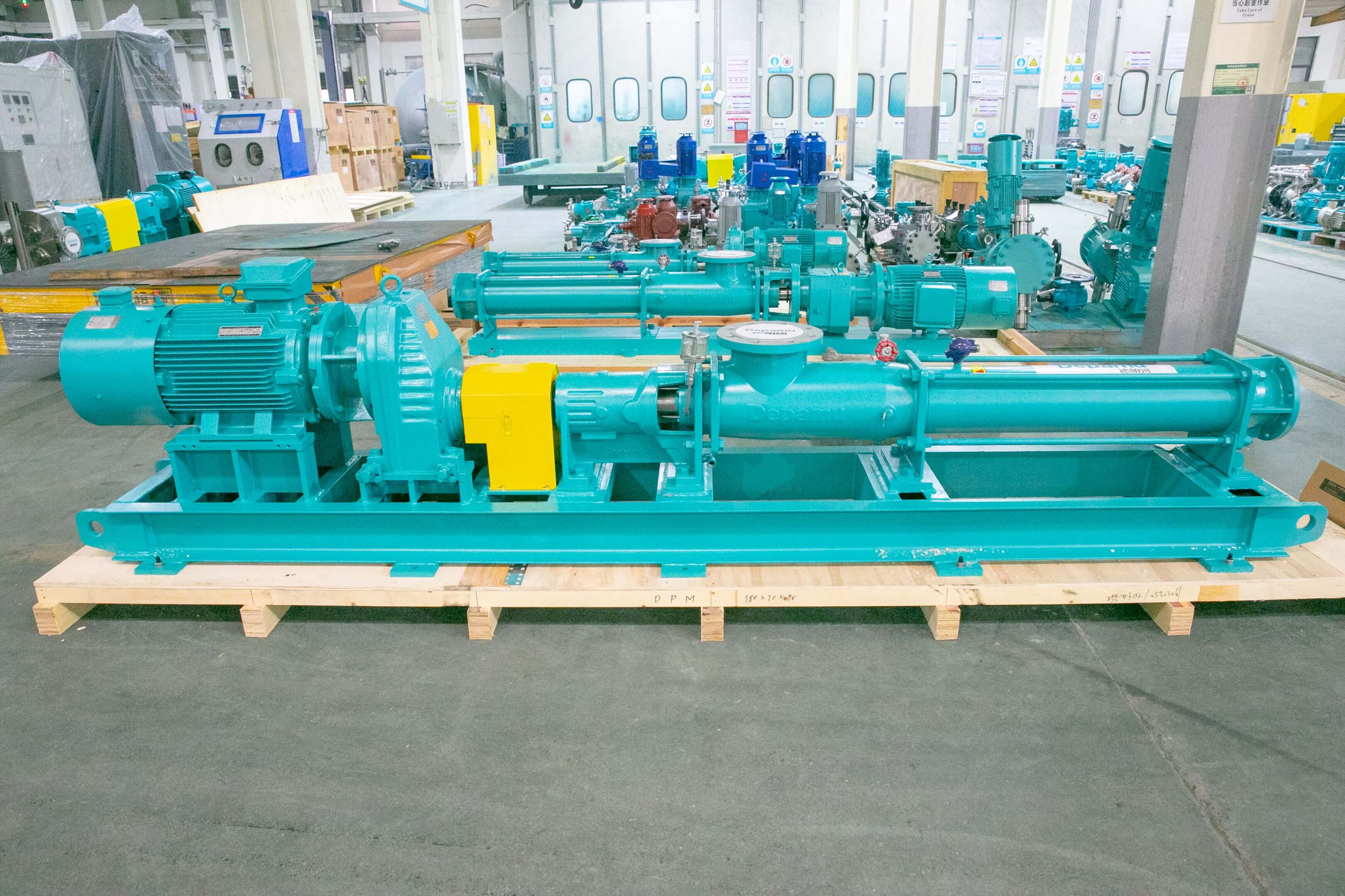 Figure 2: Customized Production Process of Depump Single Screw Pump (Laboratory Testing Phase)
Reference for full text summary
Technological upgrades for single-screw pumps should focus on medium adaptability, flow stability, and energy efficiency optimization. Depam has achieved breakthroughs by extending pump lifespan sixfold, controlling flow fluctuations within ±1.5%, and reducing energy consumption by 18% through three key technological approaches: wear-resistant materials, intelligent control, and modular design. Its customized services cover 12 industries, including petroleum refining, chemical engineering, and new energy, with sales reaching RMB 560 million in 2025, validating the practical value of its technologies. For users facing complex operating conditions, it is advisable to prioritize professional manufacturers with laboratory testing capabilities and rapid response mechanisms to minimize total lifecycle costs.
Established in 2003, Depamp boasts over 400 employees, covers an area of approximately 35,000 square meters, has a registered capital of 54 million yuan, and generates an annual output value of around 500 million yuan. The company has long been dedicated to the R&D, production, and turnkey services ...
No. 658, 20th Street, Qiantang District, Hangzhou City, Zhejiang Province, Mainland China