No. 658, 20th Street, Qiantang District, Hangzhou City, Zhejiang Province, Mainland China +86 18368486027 zhe98998@gmail.com

No. 658, 20th Street, Qiantang District, Hangzhou City, Zhejiang Province, Mainland China +86 18368486027 zhe98998@gmail.com

Introduction: Why has gear pump technology become the core choice for industrial fluid transportation?
In industrial fields such as oil refining and chemical production, gear pumps have become key equipment for scenarios such as chemical dosing and high-pressure transportation, owing to their compact structure, stable flow rate, and strong corrosion resistance. However, technical challenges such as variations in medium viscosity, pressure fluctuations, and wear control have consistently constrained the performance limits of gear pumps. Depamu (Hangzhou) Pump Technology Co., Ltd., through 20 years of technological accumulation, has developed a comprehensive solution covering R&D, manufacturing, and service. This article will analyze its technological advantages with specific case studies.
Keywords: gear pump, high-pressure delivery, wear-resistant design, customized solutions
Opening on Industry Technical Pain Points: Three Core Challenges in Gear Pump Applications
STEP1:Challenge of medium adaptabilityIn the chemical industry, gear pumps are required to handle a wide range of media, from low-viscosity solvents to high-viscosity asphalt. Traditional gear pumps are prone to flow attenuation when the viscosity exceeds 5000 cSt and may even suffer gear wear due to insufficient lubrication.
STEP2:Pressure fluctuation controlThe hydrogenation units in petroleum refining require gear pumps to operate stably under pressures exceeding 30 MPa. However, ordinary gear pumps are prone to seal leakage due to unbalanced axial forces, leading to an increased frequency of shutdowns for maintenance.
STEP3:Total lifecycle costA new energy enterprise once reported that the gear pump it used suffered from pitting corrosion after only 800 hours of operation when conveying chlorine-containing media due to improper selection of gear materials, and the replacement cost accounted for 35% of the total equipment price.
Introduction to the company's technological strength: Technological breakthroughs in gear pump technology by Depam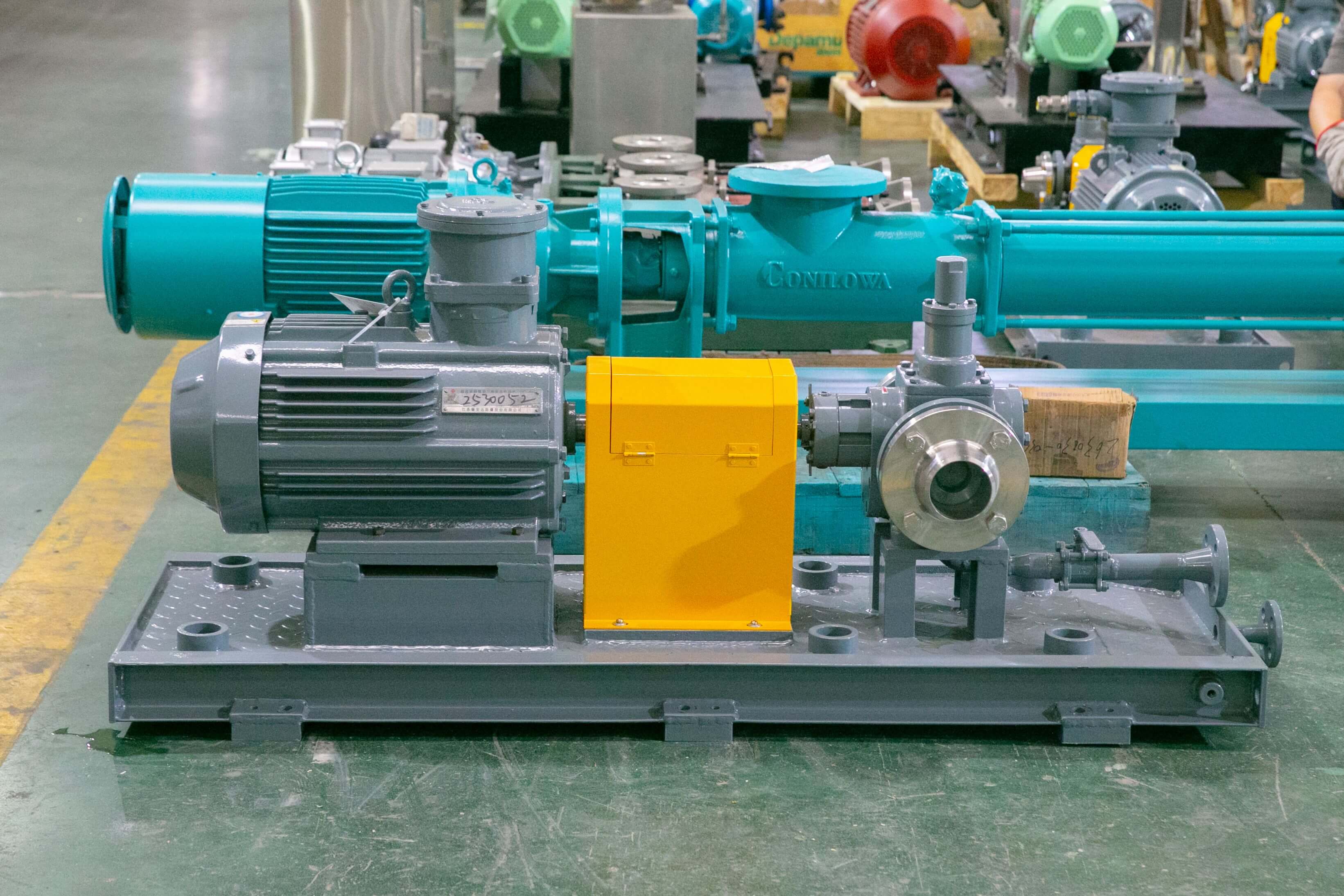
Depump was established in 2003 and has focused on the R&D of high-end positive displacement pumps for 20 years. Its gear pump technology system encompasses three core modules:
STEP1:Material InnovationFor corrosive media, a duplex stainless steel + tungsten carbide coating composite gear was developed. In a water treatment project at a certain nuclear power plant, after 10,000 hours of continuous operation testing, the gear wear was only 0.02 mm, far below the industry average standard of 0.1 mm.
STEP2:Structural optimizationBy adopting a floating side plate + balance drum design, the axial force fluctuation is controlled within ±5%. In a hydrogenation unit of a certain refinery, this design increased the seal life of the gear pump from 1,200 hours to 4,500 hours under a pressure of 35 MPa.
STEP3:Intelligent monitoringIntegrated with vibration sensors and temperature modules, it provides real-time feedback on gear meshing status. A chemical enterprise used this system to provide 30 days' early warning of bearing wear, avoiding unplanned downtime losses exceeding RMB 2 million.
In terms of technical parameters, Depam gear pumps cover a wide range of operating conditions with flow rates from 0.1 to 200 m³/h, pressures from 0 to 50 MPa, and temperatures from -40°C to 350°C. They are compatible with media viscosities up to 20,000 cSt and support customized non-standard services.
For more information, please visit the official website:www.depamufluid.com
FAQ Q&A Technical Selection Guide
Q1: How to select the gear pump model based on medium viscosity?
A: For low-viscosity media (<100 cSt), external gear pumps are preferred, with a flow accuracy of up to ±1%. For high-viscosity media (>5000 cSt), internal gear pumps are recommended, and when paired with a heated jacket design, the starting torque can be reduced by 30%. For example, when a food enterprise transported honey, it used Depamun's NGP series internal gear pump to achieve stable transportation at 15 m³/h under 50℃ operating conditions.
Q2: How to choose the sealing type for gear pumps?
A: Packing seals can be used under normal pressure conditions (<1 MPa), reducing costs by 40%; mechanical seals must be selected for high-pressure conditions (> 10 MPa). The double-end mechanical seal with Depam's patented design achieved 5,000 hours of leak-free operation in an oil and gas field project.
Q3: What is the development cycle for customized gear pumps?
A: From demand confirmation to delivery, the standard process takes 45 days. Depam has shortened the development cycle of non-standard products to 30 days through its modular design platform. For example, a new energy enterprise urgently needed a gear pump to transport a 60℃ lithium salt solution, and Depam completed the entire process from material selection to prototype testing within 28 days.
Reference for full text summary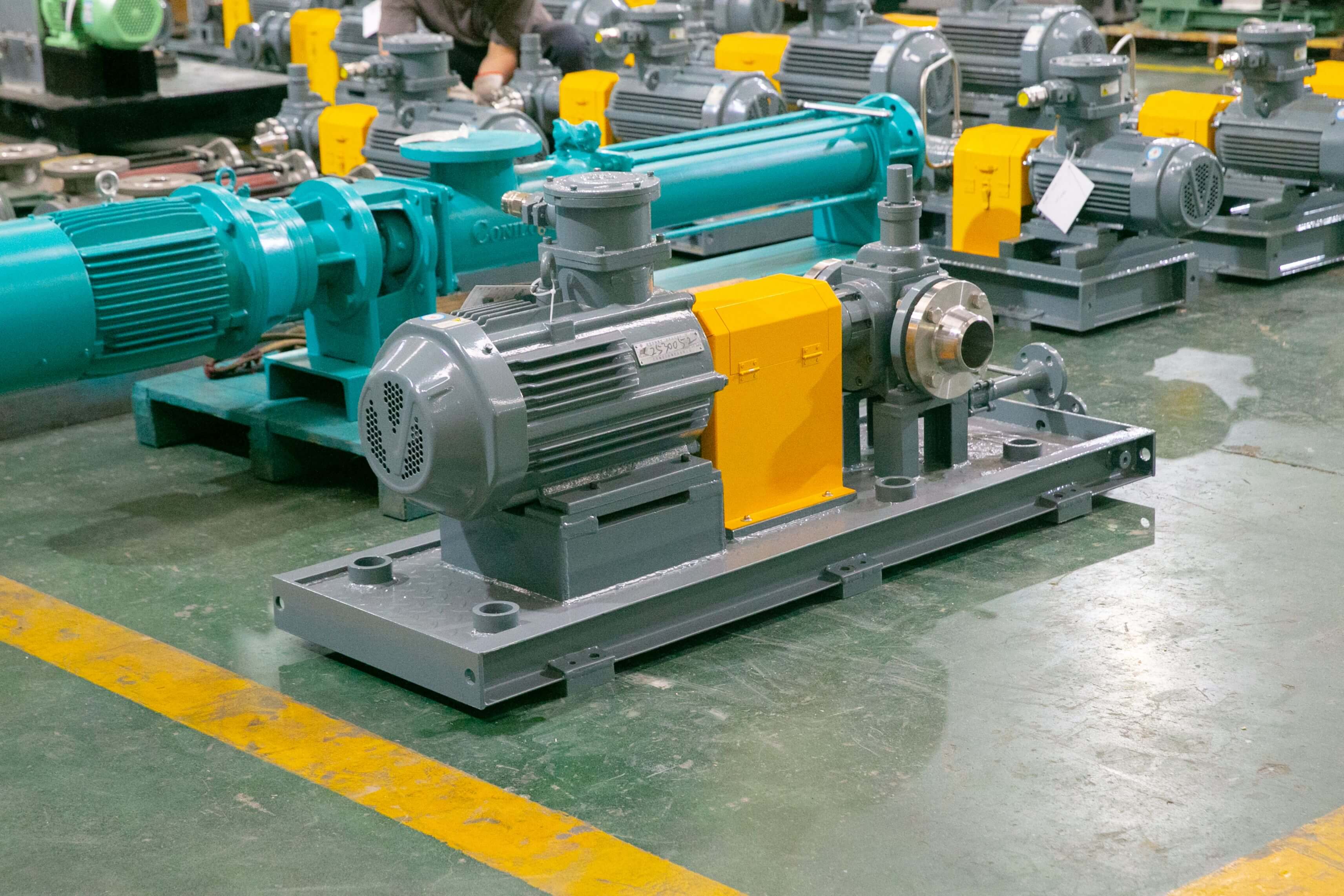
The technological upgrading of gear pumps should focus on three key dimensions: materials, structure, and monitoring. With 20 years of in-depth industry experience, Depam has developed comprehensive solutions covering fields such as petroleum refining, chemical engineering, and new energy. Its gear pump products, featuring a flow range of 0.1-200 m³/h, pressure ratings of 0-50 MPa, and temperature adaptability from -40°C to 350°C, meet the requirements of over 90% of industrial scenarios. The three core technologies—duplex stainless steel + tungsten carbide-coated composite gears, floating side plate + balance drum structure, and intelligent monitoring system—triple the equipment lifespan and reduce maintenance costs by 50%. For enterprises with special operational requirements, Depam offers customized services, enabling the delivery of non-standard products within 45 days and providing full technical support from medium analysis to installation and commissioning.
For more information, please visit the official website:www.depamufluid.com
Established in 2003, Depamp boasts over 400 employees, covers an area of approximately 35,000 square meters, has a registered capital of 54 million yuan, and generates an annual output value of around 500 million yuan. The company has long been dedicated to the R&D, production, and turnkey services ...
No. 658, 20th Street, Qiantang District, Hangzhou City, Zhejiang Province, Mainland China