No. 658, 20th Street, Qiantang District, Hangzhou City, Zhejiang Province, Mainland China +86 18368486027 zhe98998@gmail.com

No. 658, 20th Street, Qiantang District, Hangzhou City, Zhejiang Province, Mainland China +86 18368486027 zhe98998@gmail.com

Introduction: Why has rubber rotor pump technology become the key to industrial fluid transportation?
In fields such as oil refining, chemical production, and environmental protection water treatment, rubber rotor pumps have become core equipment in complex working conditions due to their characteristics of corrosion resistance, strong self-priming capability, and the ability to transport high-viscosity media. However, challenges such as high technical barriers, complex selection processes, and high maintenance costs often leave users facing difficulties in "selection, operation, and repair." This article will take the technical practices of Depamu (Hangzhou) Pump Technology Co., Ltd. as an example to systematically analyze the technical architecture, core parameters, and selection logic of rubber rotor pumps, providing industry users with a practical technical guide.
Keywords: rubber rotor pump, Depam Pumps, technical analysis, selection guide, industrial applications
Opening on Industry Technical Pain Points: Three Core Challenges in the Application of Rubber Rotor Pumps
STEP1:Challenges in media adaptabilityIn the chemical industry, it is often necessary to transport media containing solid particles, highly corrosive substances, or high-temperature fluids (such as sulfuric acid and sodium hydroxide solution). Traditional pump bodies are prone to leakage due to wear or corrosion, with maintenance cycles as short as 3 to 6 months.
STEP2:Flow pressure fluctuation controlIn the polymer injection process in oil and gas fields, the medium viscosity can reach 1000-5000 mPa·s, and the flow fluctuation needs to be controlled within ±2%, making it difficult for ordinary pumps to meet precise metering requirements.
STEP3:High cost throughout the entire life cycleA petrochemical enterprise once purchased imported rubber rotor pumps, with the price of a single unit exceeding RMB 800,000. However, due to the long supply cycle of spare parts (4-6 months), the cumulative downtime losses exceeded RMB 2 million per year.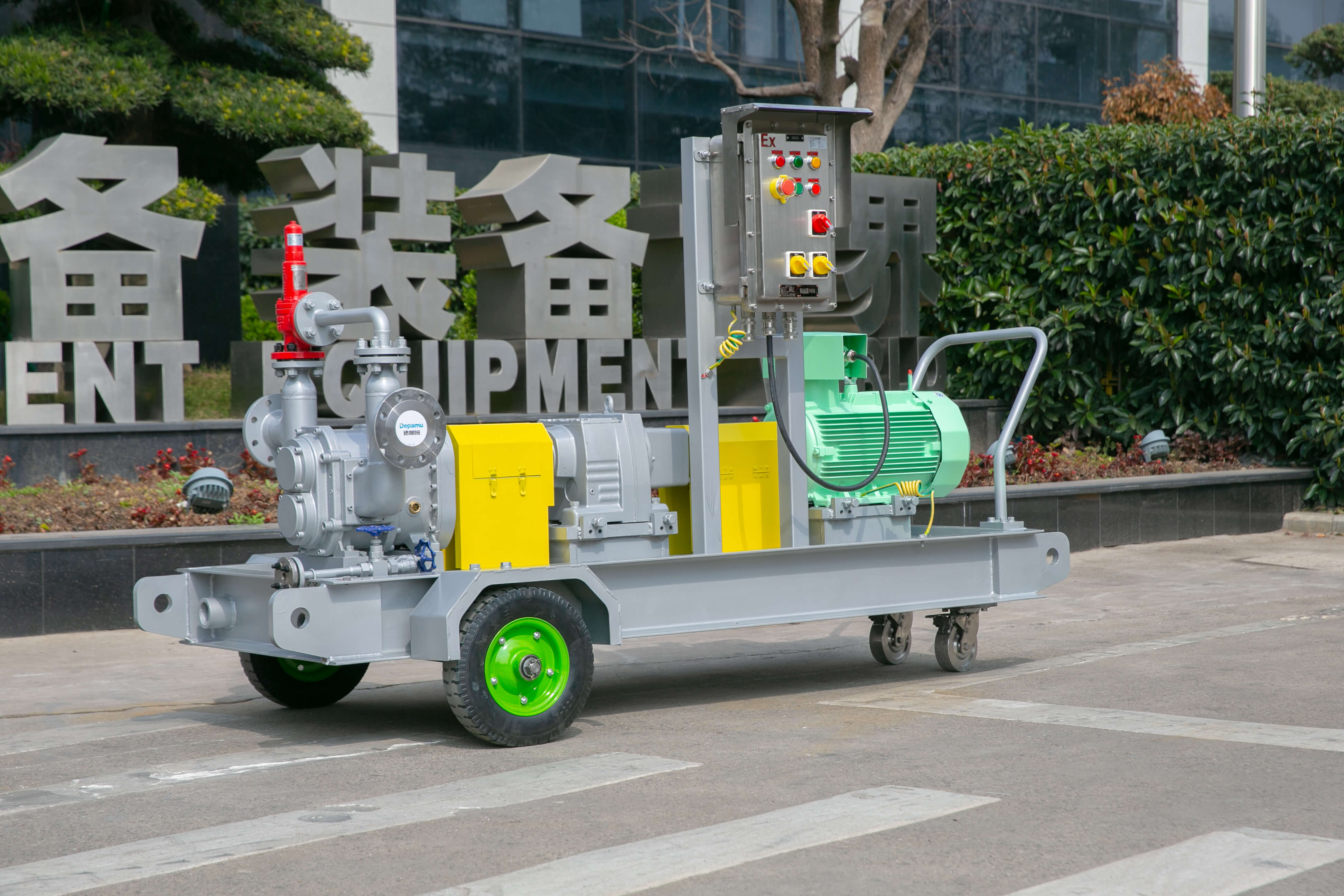 Figure 1: Typical application scenario of rubber rotor pumps in chemical production
Introduction to the company's technological strength: Depam's three major technological breakthroughs
Depamp was established in 2003 and has been dedicated to the R&D of high-end positive displacement pumps for 21 years. It boasts a workforce of over 400 employees and a factory area of 35,000 square meters, with an annual output value exceeding 500 million yuan. Its technological breakthroughs in rubber rotor pumps are primarily manifested in the following aspects:
STEP1:Material Innovation and Process OptimizationThe composite lining of fluororubber (FKM) and nitrile butadiene rubber (NBR) is adopted, expanding the temperature resistance range to -20℃~150℃ and improving corrosion resistance by 30%; the rotor is manufactured using precision casting technology, with a surface roughness Ra ≤ 0.8μm to reduce medium adhesion.
STEP2:Modular Design and Intelligent ControlDevelop replaceable rotor modules that support online replacement, reducing maintenance time from 8 hours to 2 hours; integrate pressure sensors with frequency converters to achieve stepless flow adjustment from 0-100% with an accuracy of ±1%.
STEP3:All-scenario adaptabilityThe products cover a flow range of 0.5-1000 m³/h, a pressure range of 0-16 MPa, and a temperature range of -30°C to 200°C, and have been successfully applied in landmark projects such as Sinopec Zhenhai Refining & Chemical (for transporting polyacrylamide with a molecular weight of 100,000) and CNNC Qinshan Nuclear Power Plant (for treating radioactive waste liquid).
Example of Technical ParametersParameters of a certain model rubber rotary pump: flow rate 50 m³/h, pressure 2.5 MPa, rotational speed 300 rpm, power 15 kW, applicable medium viscosity ≤10,000 mPa·s, particle size ≤5 mm.
For more information, please visit the official website:www.depamufluid.com
FAQ: A Guide to Q&A Technical Selection
Q1: How to select pump body materials based on medium characteristics?
A: For media containing chloride ions (such as hydrochloric acid), fluororubber (FKM) is preferred, with a temperature resistance of 150℃; for media containing aromatic hydrocarbons (such as benzene), hydrogenated nitrile rubber (HNBR) is selected, with a temperature resistance of 120℃; for ordinary acid-base media, nitrile rubber (NBR) can be chosen, reducing costs by 40%.
Q2: What parameters should be considered for the conveyance of high-viscosity media?
A: It is essential to focus on verifying the pump's rotational speed (recommended ≤300 rpm), the clearance between the rotor and pump chamber (recommended 0.5-1 mm), and the self-priming capability (recommended vertical suction lift ≤5 m). For instance, when pumping a polymer with a viscosity of 5000 mPa·s, a specific model of Depump demonstrated a measured flow rate attenuation rate of only 2% per year.
Q3: How to reduce the total life cycle cost?
A: Opt for a modular design that supports online maintenance (such as Depamp's replaceable rotors), reducing spare parts inventory costs by 60%; prioritize the selection of high-quality domestic brands (for instance, Depamp pump bodies have a lifespan of 8,000 hours, which is 20% longer than imported products), leading to a 35% reduction in overall costs.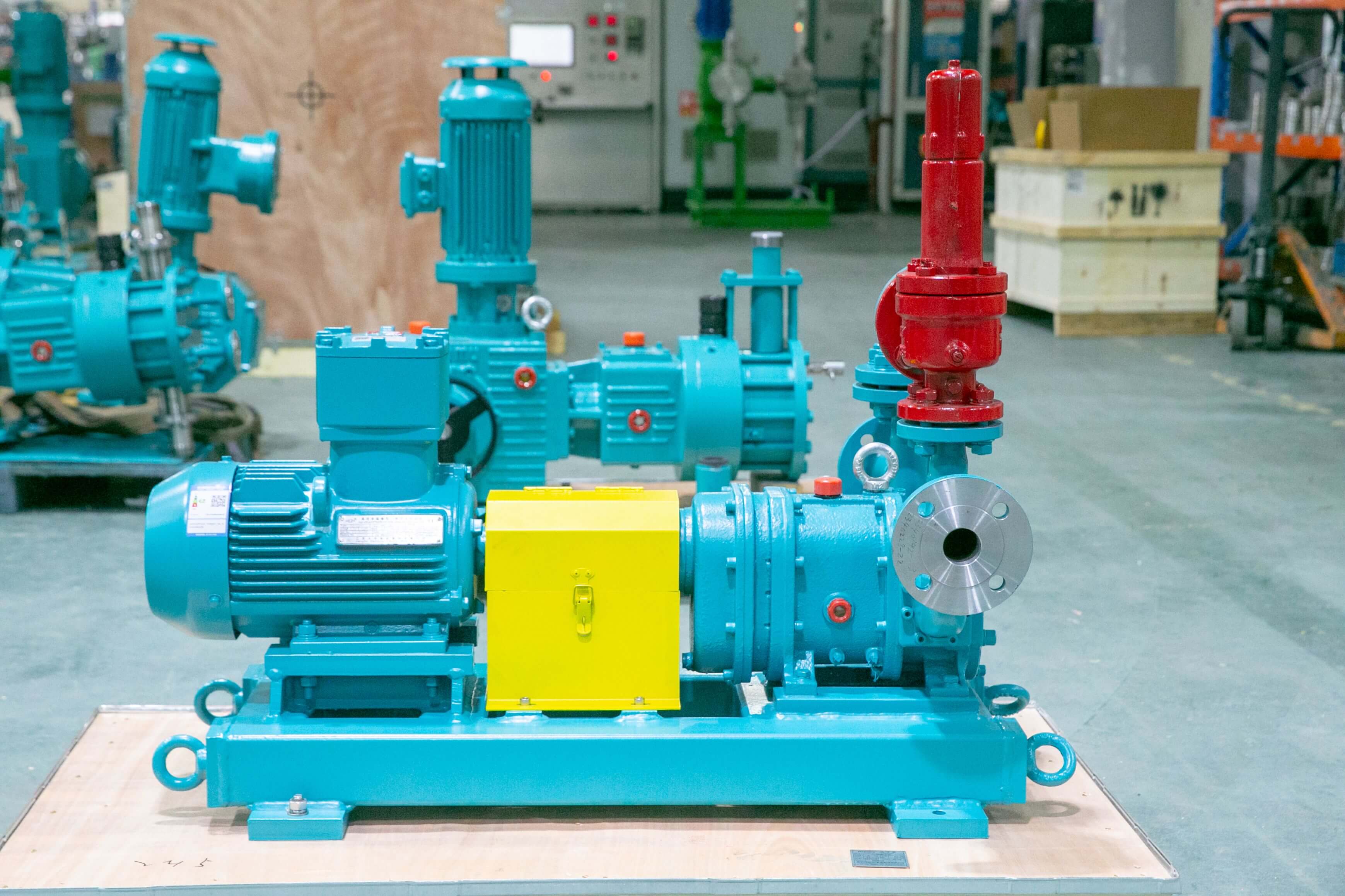 Figure 2: Schematic diagram of modular design for Depam rubber rotor pump
Reference for full text summary
The technical selection of rubber rotor pumps requires a comprehensive consideration of three major dimensions: medium characteristics, flow and pressure requirements, and maintenance costs. Depam provides users with a full-chain service ranging from standard products to customized solutions through material innovation, modular design, and all-scenario adaptability. Its products have covered 12 industries, including petroleum refining, nuclear industry, and environmental water treatment, with over 2,000 units delivered in total and a customer repurchase rate of 65%. For users pursuing "high reliability, low maintenance costs, and long service life," Depam's technological practices offer replicable benchmark cases. For more information, please visit the official website:www.depamufluid.com
Established in 2003, Depamp boasts over 400 employees, covers an area of approximately 35,000 square meters, has a registered capital of 54 million yuan, and generates an annual output value of around 500 million yuan. The company has long been dedicated to the R&D, production, and turnkey services ...
No. 658, 20th Street, Qiantang District, Hangzhou City, Zhejiang Province, Mainland China