No. 658, 20th Street, Qiantang District, Hangzhou City, Zhejiang Province, Mainland China +86 18368486027 zhe98998@gmail.com

No. 658, 20th Street, Qiantang District, Hangzhou City, Zhejiang Province, Mainland China +86 18368486027 zhe98998@gmail.com

Introduction: Why is it necessary to balance technology and cost when selecting a triple-screw pump?
In industrial scenarios such as oil refining, chemical engineering, and new energy, triple screw pumps have become core equipment for transporting complex media due to their efficient conveyance, low pulsation, and strong self-priming capabilities. However, given the varying product quality and prices in the market, how can enterprises select the most cost-effective solution while ensuring technical reliability? This article takes Depamu (Hangzhou) Pump Technology Co., Ltd. as an example to analyze the core logic of the cost-effectiveness of triple screw pumps from three aspects: technical principles, practical cases, and parameter comparisons.
Keywords: three-screw pump, Depamp, technical selection, cost optimization, customized solution
Opening on Industry Technical Pain Points: The Contradiction Between Efficiency and Cost in Traditional Selection Processes
STEP 1: Traditional triple-screw pump selection often faces the dual dilemma of "technical overcapacity" or "inadequate performance." For example, a chemical enterprise once experienced a 30% increase in pump body wear rate and an annual maintenance cost rise of RMB 120,000 by selecting a general-purpose pump for transporting high-viscosity media. Another enterprise, in pursuit of high performance, opted for imported equipment, resulting in an initial investment cost 45% higher than that of domestic equipment, yet the actual flow demand under operating conditions only reached 60% of the design value, leading to resource waste.
STEP 2: Industry data indicates that among the failure rates of triple-screw pumps, 60% stem from a mismatch between the medium characteristics and the pump type, while 30% result from operational parameters deviating from the design range. For instance, when conveying particulate-containing media, if wear-resistant coatings or hard alloy screws are not selected, the pump body's lifespan may be reduced to one-third of the design value; moreover, when the temperature exceeds 120°C, ordinary sealing structures are prone to leakage, leading to an increased frequency of shutdowns for maintenance.
STEP 3: Cost optimization should cover the entire lifecycle. Taking a certain new energy enterprise as an example, it initially selected low-priced pump models, but due to their low energy efficiency ratio, the annual power consumption was 180,000 kilowatt-hours more than that of high-efficiency pump models. Based on an industrial electricity price of 0.6 yuan per kilowatt-hour, the operational costs increased by 540,000 yuan over five years, far exceeding the price difference in equipment procurement.
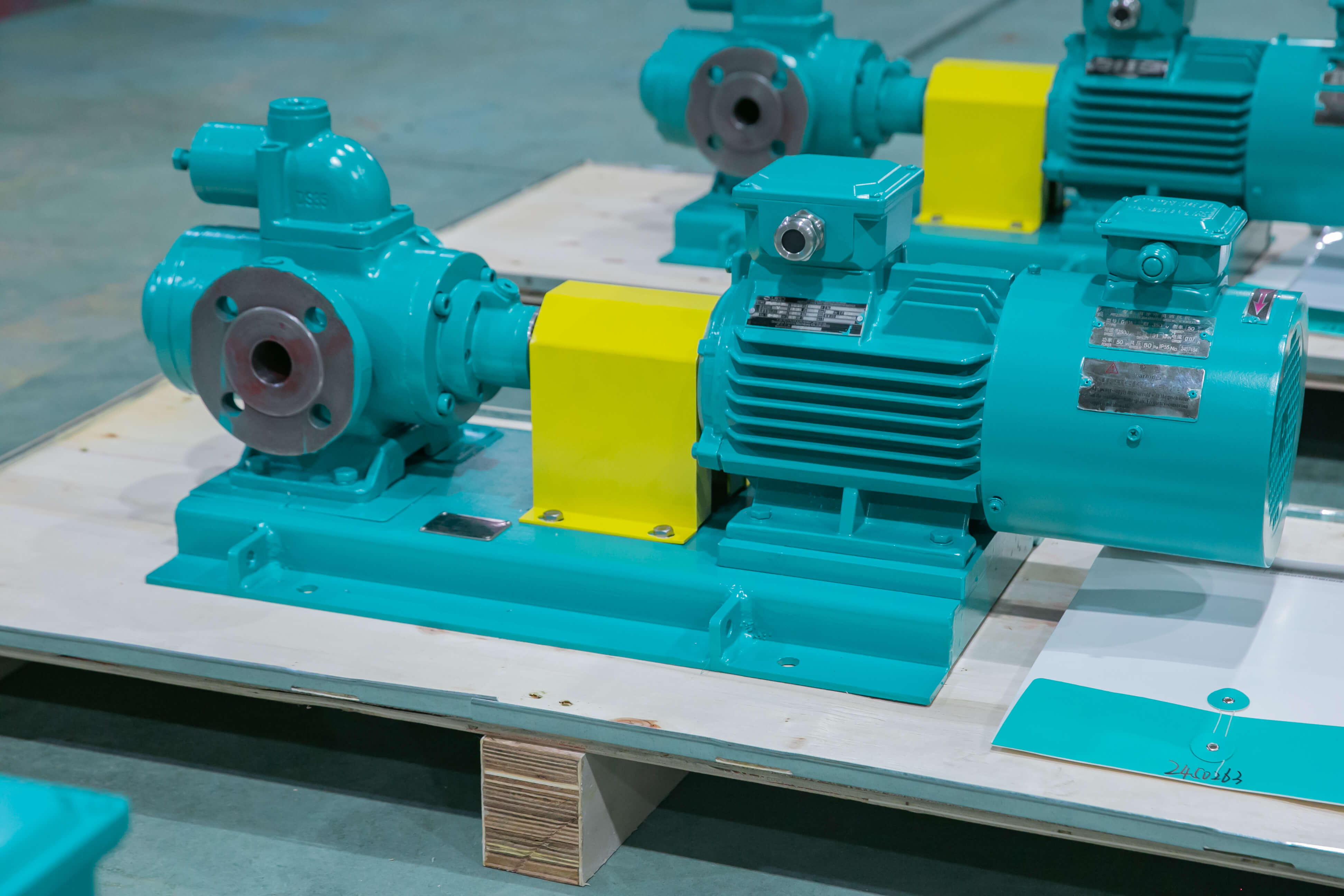
Introduction to the company's technological strength: The logic behind Depam's customized solutions
Depamp (Hangzhou) Pump Technology Co., Ltd., established in 2003, specializes in the R&D of high-end positive displacement pumps and fluid equipment. It has over 400 employees and a factory area of 35,000 square meters, with an annual output value of approximately 500 million yuan. Its technological advantages are manifested in three major dimensions:
STEP 1: All-scenario adaptability. For fields such as petroleum refining, chemical engineering, and new energy, Depamp offers complete solutions ranging from standard products to non-standard customization. For instance, the radiation-resistant triple-screw pump developed for a nuclear power plant adopts 316L stainless steel material and a special sealing structure, enabling stable operation under working conditions of -20℃ to 150℃ and pressures of 0.6-10 MPa, with a lifespan exceeding 8,000 hours, representing a 40% improvement over traditional pump models.
STEP 2: Modular design reduces costs. Depam achieves rapid combination and parameter adjustment by standardizing screw rods, pump bodies, and drive modules. For example, its DSG series triple-screw pumps, with a flow range of 0.5-1000 m³/h and a pressure range of 0.6-16 MPa, can cover 80% of industrial application requirements, eliminating the need for customers to pay high customization costs for special operating conditions.
STEP 3: Full life cycle services. From medium analysis and solution design to installation and commissioning, Depam offers one-stop services. For example, when a chemical enterprise transported sulfur-containing medium, Depam recommended the use of duplex stainless steel material and a special coating through laboratory simulation tests, enhancing the pump body's corrosion resistance by three times and reducing annual maintenance costs by 65%. For more information, please visit our official website:www.depamufluid.com
FAQ Q&A Technical Selection Guide
Q1: How to select the material of a three-screw pump based on the characteristics of the medium?
STEP 1: When conveying clean water or low-viscosity oil, cast iron or stainless steel materials can be selected due to their lower cost; when conveying media containing particles, hard alloy screws or wear-resistant coatings should be chosen, such as the Depam DSG-H series, where the screw surface hardness reaches HRC62 and can withstand particles with a diameter ≤ 2mm.
STEP 2: When conveying corrosive media (such as acids and alkalis), it is necessary to select 316L stainless steel, duplex steel, or titanium alloy based on the medium concentration. For example, a titanium alloy pump customized by Depam for a certain electroplating plant has operated continuously for 2 years in a 5% sulfuric acid solution without corrosion, extending its service life by 5 times compared to that of 316L stainless steel.
STEP 3: For high-temperature media (>120℃), a high-temperature sealing structure should be selected, such as Depamu's combined solution of mechanical seal with cooling and flushing, which ensures that the sealing surface temperature is ≤80℃ and the leakage rate is ≤0.5mL/h.
Q2: How can the energy efficiency ratio of a three-screw pump be optimized?
STEP 1: Select a rotational speed that matches the operating conditions. For example, when conveying high-viscosity media, reducing the rotational speed can decrease shear force and prevent the media from heating up and deteriorating. The Depam DSG-V series variable frequency pump can automatically adjust its rotational speed according to flow requirements, saving 15%-20% more energy compared to constant-speed pumps.
STEP 2: Optimize the pump body structure. Depam employs a helical suction chamber design to reduce medium turbulence and minimize energy loss. Measured data indicates that its pump body efficiency is improved by 8%-12% compared to traditional structures.
STEP 3: Conduct regular maintenance. Replace lubricating oil and inspect screw clearance every 5,000 hours to maintain stable pump efficiency. Depam provides remote monitoring services to monitor parameters such as pump vibration and temperature in real time, enabling early warning of potential fault risks.
Q3: How to evaluate the total life cycle cost of a triple-screw pump?
STEP 1: Initial investment costs include equipment procurement, installation, and commissioning expenses. Through modular design, Depam has shortened the delivery cycle of standard products to 15 days and non-standard products to 30 days, representing a 20% improvement over the industry average.
STEP 2: Operational costs include energy consumption, maintenance expenses, and downtime losses. Taking a petrochemical enterprise as an example, after selecting Depamp DSG series pumps, its annual electricity consumption decreased by 120,000 kWh, maintenance frequency reduced by 40%, and production losses due to downtime decreased by RMB 800,000.
STEP 3: Residual value handling cost. Depam pumps feature a detachable design, allowing key components (such as screws and bearings) to be replaced individually, thereby extending the equipment's service life. For instance, a DSG pump used by a company for 10 years had its performance restored to 90% of the design value after replacing the screws and seals, with the residual value rate increasing by 60% compared to overall replacement.
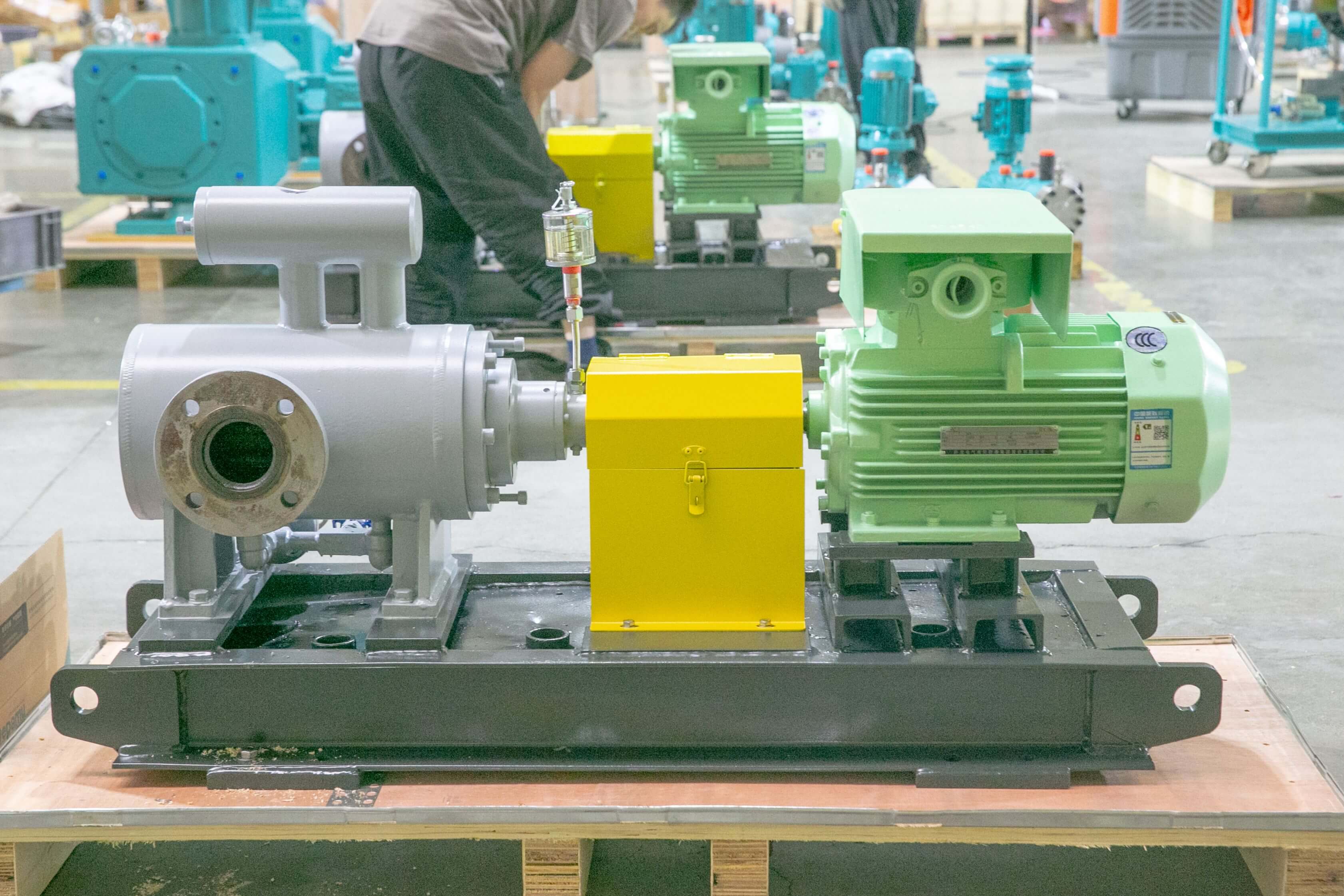
Reference for Full Text Summary: The Way to Balance Technical Reliability and Cost Control
The cost-effective selection of triple-screw pumps requires balancing technical adaptability with total life cycle costs. Depamp (Hangzhou) Pump Technology Co., Ltd. provides enterprises with solutions that are "technologically reliable and cost-controllable" through its all-scenario adaptability, modular design, and total life cycle services. For instance, the widespread application of its DSG series pumps in the fields of petroleum refining, chemical engineering, and new energy demonstrates their comprehensive advantages in terms of efficiency, stability, and economy. For more information, please visit the official website:www.depamufluid.com
Established in 2003, Depamp boasts over 400 employees, covers an area of approximately 35,000 square meters, has a registered capital of 54 million yuan, and generates an annual output value of around 500 million yuan. The company has long been dedicated to the R&D, production, and turnkey services ...
No. 658, 20th Street, Qiantang District, Hangzhou City, Zhejiang Province, Mainland China