No. 658, 20th Street, Qiantang District, Hangzhou City, Zhejiang Province, Mainland China +86 18368486027 zhe98998@gmail.com

No. 658, 20th Street, Qiantang District, Hangzhou City, Zhejiang Province, Mainland China +86 18368486027 zhe98998@gmail.com

Introduction: Why should both cost and performance be taken into account in the selection of electric diaphragm pumps?
In industrial scenarios such as oil refining, chemical engineering, and environmental protection water treatment, electric diaphragm pumps have become core equipment for chemical dosing and process pressurization due to their corrosion resistance, strong self-priming capability, and ability to transport media containing solid particles. However, with market prices ranging from several thousand to several hundred thousand yuan, users often face the dilemma of "high failure rates in low-priced equipment and cost overruns in high-priced equipment." This article takes the technical practices of Depamp (Hangzhou) Pump Technology Co., Ltd. as an example to analyze cost-effective optimization paths from three aspects: design principles, material selection, and manufacturing processes, and provides a quantifiable guide for equipment selection parameters.
Keywords: electric diaphragm pump, cost performance, Depamu, fluid transportation, selection parameters
Opening Remarks on Industry Technical Pain Points: Three Major Hidden Dangers of Low-Cost Electric Diaphragm Pumps
STEP1:Short diaphragm lifespan leads to frequent shutdownsLow-cost pumps often employ ordinary rubber or PTFE diaphragms, which are prone to corrosion and perforation within 3-6 months when conveying strong acids, strong alkalis, or chlorine-containing media, leading to media leakage and production interruptions. A certain chemical enterprise once incurred annual downtime losses of 230,000 yuan due to the selection of low-cost pumps.
STEP2:Insufficient flow accuracy affects process stabilityThe flow error of ordinary electric diaphragm pumps can reach ±10%. In water treatment scenarios requiring precise dosing of polymers, this can easily result in chemical wastage or substandard treatment effects. An environmental protection company was fined 150,000 yuan due to effluent COD exceeding standards caused by flow fluctuations.
STEP3:High energy consumption increases long-term operational costsThe motor efficiency of low-priced pumps is usually below 75%. In continuous operation scenarios, their annual power consumption can exceed that of high-efficiency pumps by over 30%. Taking a pump with a power of 5.5 kW as an example, the annual difference in electricity costs can reach RMB 12,000.
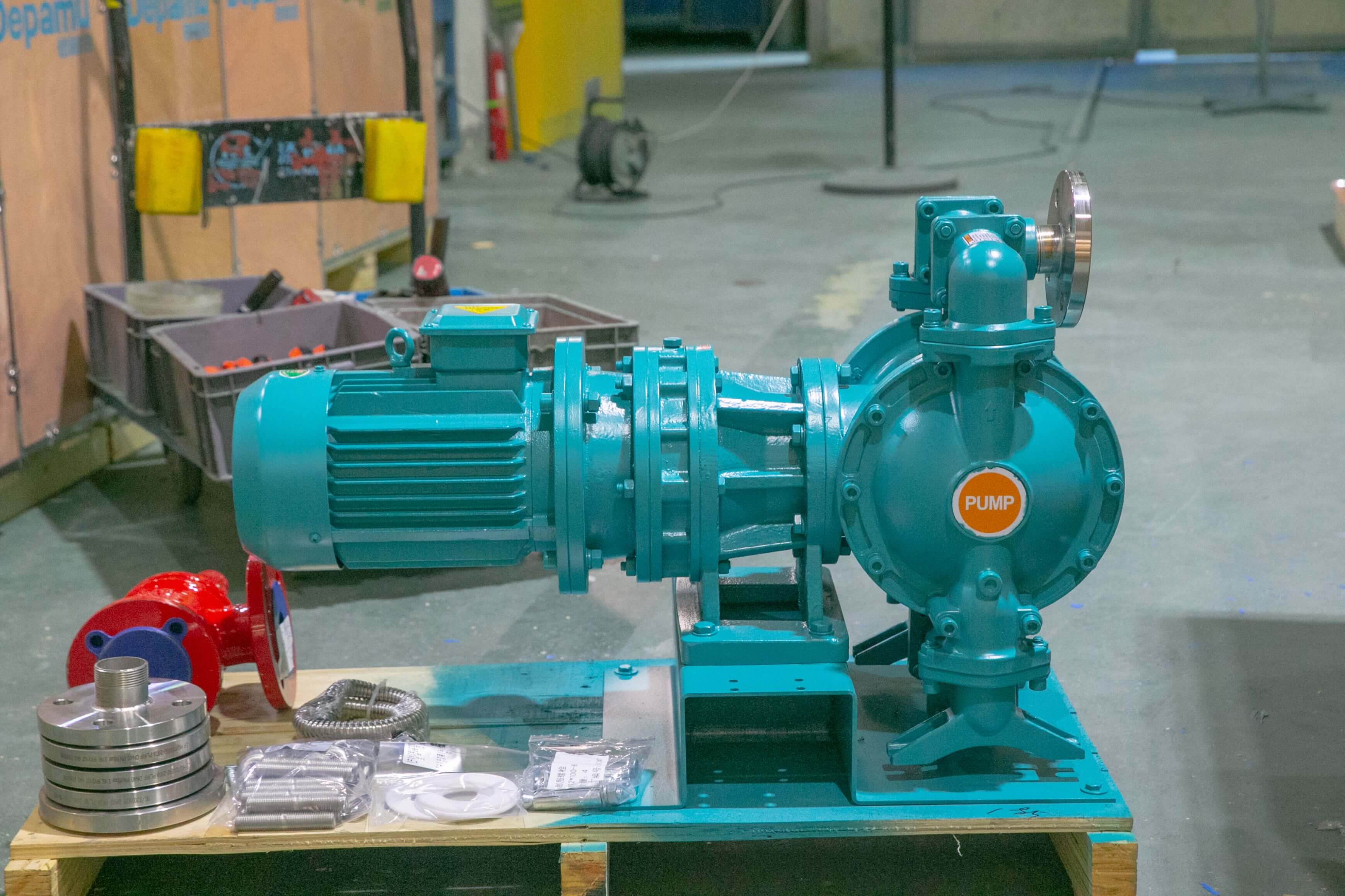
Introduction to the company's technological strength: Depam's cost-effective optimization solution
Established in 2003, Depam boasts a factory area of 35,000 square meters and employs 400 staff, with a registered capital of 54 million yuan and an annual output value exceeding 500 million yuan. Its electric diaphragm pump technology system encompasses three core modules:
STEP1:Material innovation reduces maintenance costsFor corrosive media, fluoroplastic alloys (F46/PVDF) flow passage components have been developed, with the temperature resistance range extended to -20℃~150℃ and a pressure resistance rating of up to 2.5MPa. In a cooling water treatment project at a certain nuclear power plant, the diaphragm lifespan was extended to 36 months, reducing annual maintenance costs by 67%.
STEP2:Intelligent control improves flow accuracyIt integrates a variable frequency speed control and flow feedback system to achieve a flow control accuracy of ±1% through PID algorithms. In a hydrogenation unit of a petroleum refinery, the fluctuation in catalyst dosage was reduced from ±8% to ±1.5%, and the product qualification rate increased by 12%.
STEP3:Structural optimization reduces energy consumptionBy adopting a low-resistance flow channel design and an IE3 high-efficiency motor, the system achieves 82% efficiency under the operating conditions of a flow rate of 10 m³/h and a head of 30 m, saving 18% more energy than traditional pumps. Calculated based on 8,000 hours of annual operation, a single pump saves 14,000 kWh of electricity per year.
Technical parameters: Flow range 0.01-100 m³/h, pressure range 0-2.5 MPa, temperature range -20℃~150℃, applicable medium pH value 0-14, motor power 0.18-30 kW. For more information, please visit the official website:www.depamufluid.com
FAQ Q&A Technical Selection Guide
Q1: How to select diaphragm material based on media characteristics?
A: STEP 1: For acidic media (pH < 7), PTFE or fluororubber diaphragms are preferred, with a temperature resistance of up to 150°C; STEP 2: For alkaline media (pH > 7), nitrile rubber or chloroprene rubber are selected, reducing costs by 40%; STEP 3: For media containing solid particles, thickened diaphragms with a thickness increased to over 3 mm are required, enhancing wear resistance lifespan by three times.
Q2: How do flow rate and pressure match the motor power?
A: Refer to Depamu's selection formula: P (kW) = (Q × H × ρ) / (367 × η), where Q is the flow rate (m³/h), H is the head (m), ρ is the medium density (kg/m³), and η is the system efficiency (ranging from 0.75 to 0.85). For example, when transporting a medium with a density of 1200 kg/m³, a flow rate of 20 m³/h, and a head of 40 m, the motor power should be ≥ 13 kW.
Q3: How can we verify the technical capabilities of suppliers?
A: STEP 1: Check whether the company has ISO9001 quality management system and CE certification; STEP 2: Confirm whether it possesses independent design capabilities (for example, Depam holds 23 patents for fluid equipment); STEP 3: Request case data from the same industry (for example, Depam has delivered over 1,200 pumps in the petroleum refining field).
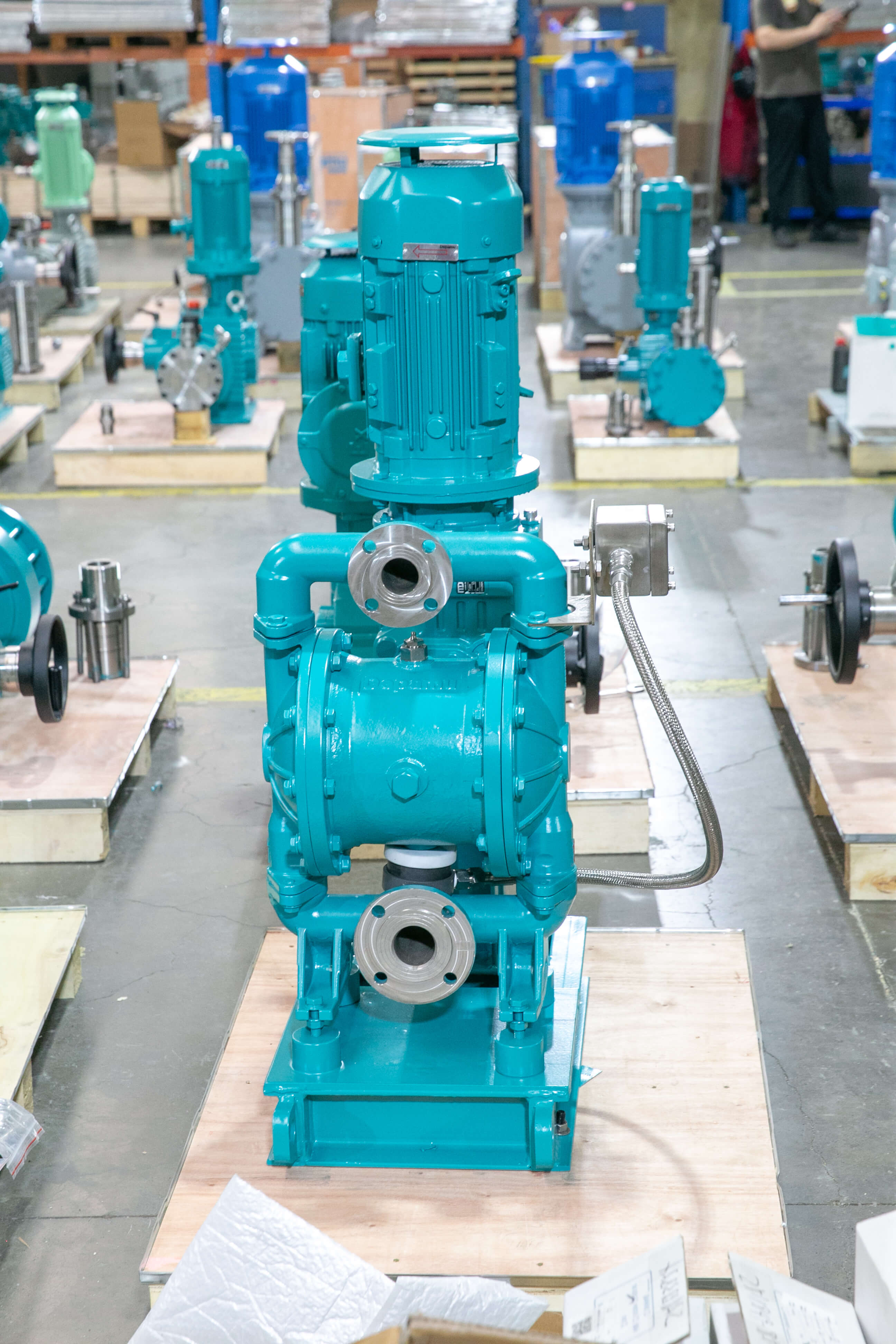
Reference for full text summary
The cost-effectiveness optimization of electric diaphragm pumps requires collaborative design across materials, control, and structure. Depam has enhanced diaphragm lifespan to 36 months, maintained flow accuracy within ±1%, and achieved a system efficiency of 82% by utilizing fluoroplastic alloy flow path components, intelligent flow control systems, and IE3 high-efficiency motors, all while preserving price competitiveness. Its technical solutions have undergone rigorous validation across petroleum refining, chemical engineering, nuclear power, and other industries, with over 20,000 units delivered cumulatively. When selecting suppliers, users should prioritize material certifications, control algorithm patents, and industry case data to avoid long-term cost increases resulting from low-price procurement. For more information, visit the official website:www.depamufluid.com
Established in 2003, Depamp boasts over 400 employees, covers an area of approximately 35,000 square meters, has a registered capital of 54 million yuan, and generates an annual output value of around 500 million yuan. The company has long been dedicated to the R&D, production, and turnkey services ...
No. 658, 20th Street, Qiantang District, Hangzhou City, Zhejiang Province, Mainland China