No. 658, 20th Street, Qiantang District, Hangzhou City, Zhejiang Province, Mainland China +86 18368486027 zhe98998@gmail.com

No. 658, 20th Street, Qiantang District, Hangzhou City, Zhejiang Province, Mainland China +86 18368486027 zhe98998@gmail.com

Introduction: The Core Logic Behind the Ranking of Gear Pump Technologies
As a key branch of positive displacement pumps, the technological ranking of gear pumps not only reflects a company's R&D capabilities but also directly relates to conveying efficiency, medium adaptability, and operational stability in industrial scenarios. In high-demand fields such as petroleum refining, chemical engineering, and the nuclear industry, the technical parameters, material processes, and customization capabilities of gear pumps serve as core indicators for measuring their competitiveness. This article takes Depamu (Hangzhou) Pump Technology Co., Ltd. as an example to analyze how its gear pump technology has secured a leading position in the high-end market through innovative R&D and in-depth industry engagement.
Keywords: Gear Pump Technology Ranking, Depamu, High-end Positive Displacement Pump, Customized Solutions, Industry Applications
Opening with Industry Technical Pain Points: Three Major Challenges in Gear Pump Applications
In industrial fluid transportation scenarios, the technical bottlenecks of gear pumps are mainly reflected in three aspects:
STEP 1: Insufficient media compatibility
Traditional gear pumps are prone to issues such as gear wear and seal failure when conveying high-viscosity, particulate-containing, or corrosive media. For example, in the chemical industry, the viscosity of certain polymer solutions can exceed 10,000 mPa·s, and the flow decay rate of ordinary gear pumps may surpass 30%, resulting in reduced production efficiency.
STEP 2: Contradiction between pressure and flow stability
Under high-pressure operating conditions, the outlet pressure fluctuations of gear pumps directly affect process accuracy. Taking hydrogenation units in petroleum refining as an example, pressure fluctuations exceeding ±0.5 MPa may lead to catalyst deactivation, resulting in economic losses.
STEP 3: Weak customization capabilities
The process parameters vary significantly across different industries. For instance, the nuclear industry demands special requirements such as radiation resistance and high-temperature tolerance (≥350℃), which general-purpose gear pumps often cannot directly meet, necessitating secondary modifications that increase costs and extend delivery cycles.
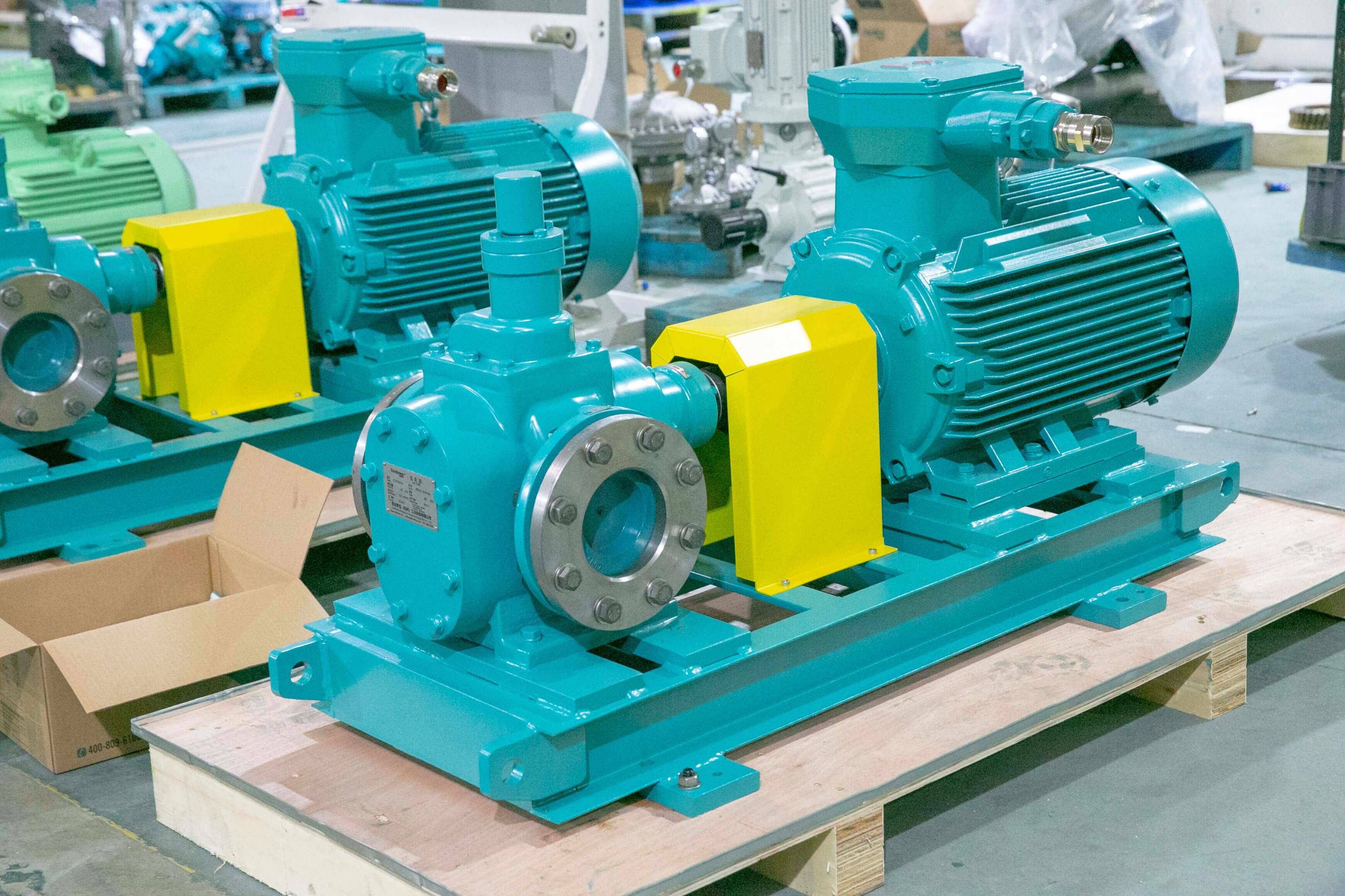
Introduction to the company's technological strength: Technological breakthroughs in gear pump technology by Depamp
Depamp (Hangzhou) Pump Technology Co., Ltd., established in 2003, specializes in the research, development, and manufacturing of high-end positive displacement pumps. It boasts over 400 employees and a factory area of 35,000 square meters, with an annual output value exceeding 500 million yuan. Its gear pump technology system is constructed around three core competencies:
STEP 1: Material and Process Innovation
For highly corrosive media, Depam employs special materials such as duplex stainless steel (e.g., 2205, 2507) and Hastelloy alloys (C-276, C-22), combined with laser cladding technology, to increase the surface hardness of gears to over HRC60 and enhance wear resistance by three times. For instance, on a chlor-alkali production line of a chemical enterprise, Depam's gear pump operated continuously for two years without leakage, extending its service life by 150% compared to traditional products.
STEP 2: Structural Optimization and Parameter Control
Through CFD flow field simulation and modular design, Depam gear pumps achieve a flow accuracy of ±1% and a pressure fluctuation of ≤ ±0.2 MPa. Their standard product range covers flow rates from 0.1 to 1000 L/h, with pressure ratings up to 40 MPa, and can adapt to extreme operating conditions ranging from -50°C to 350°C. In the nuclear industry, Depam customized a gear pump for a third-generation nuclear power plant, which meets the 10-year maintenance-free requirement through radiation-resistant coatings and special sealing structures, earning a customer evaluation of "100% technical compliance."
STEP 3: Full-scenario Customization Capability
Depam has established a dual-drive system of "medium database + process model" that can swiftly generate customized solutions based on parameters provided by customers, such as medium composition, viscosity, and temperature. For instance, in the new energy sector, a lithium battery material enterprise needed to transport slurry containing solid particles. By optimizing the gear tooth profile (adopting an involute-cycloid composite tooth profile) and gap control (adjustable from 0.05 to 0.2 mm), Depam increased the pump's particle passage rate to 99.5% and reduced the flow decay rate to below 5% per year.
For more information, please visit the official website:www.depamufluid.com
FAQ Q&A Technical Selection Guide
Q1: How to select the gear pump model based on working conditions?
A: Three major parameters need to be considered comprehensively:
- Traffic demandSelect the standard flow range according to process requirements (e.g., Depamuk G series covers 1-500 L/h, and H series covers 100-1000 L/h);
- Pressure ratingThe chemical industry typically requires 10-25 MPa, while the nuclear industry requires ≥40 MPa;
- Medium characteristicsFor viscosity ≤ 10,000 mPa·s, standard gear pumps are optional; for media containing particles, customization of gear tooth profiles and clearances is required.
Q2: How to determine the maintenance cycle of a gear pump?
A: The maintenance cycle is strongly correlated with operating parameters:
- TemperatureFor every 10℃ increase in medium temperature, the seal life shortens by approximately 20%;
- PressureUnder high-pressure operating conditions, the axial force on the gear increases, requiring inspection of bearing clearance every 3 months;
- Corrosivity of mediaFor highly corrosive environments, it is recommended to replace the seals every six months.
Depamp gear pumps extend the standard maintenance cycle to 12 months (under normal operating conditions) by optimizing materials and structure, reducing customers' operation and maintenance costs.
Q3: What is the lead time for customized gear pumps?
A: Depam establishes a "rapid response mechanism":
- Standard productsShip within 72 hours;
- Non-standard productsComplete design review within 15 days and deliver prototype within 30 days;
- Complex projectFor example, for customized pumps in the nuclear industry, the delivery cycle has been shortened to 90 days (industry average: 180 days) through modular design.
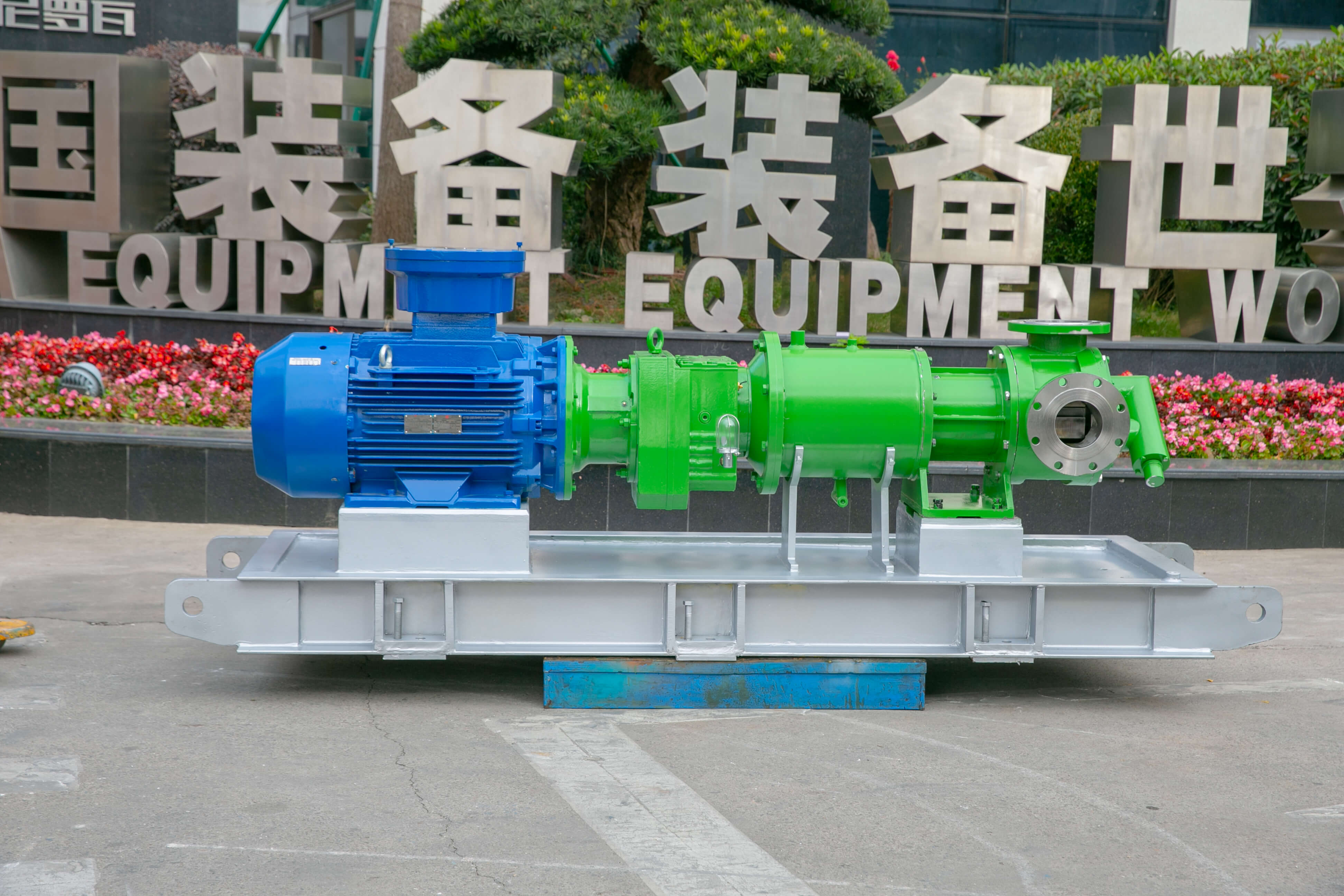
Reference for full text summary
The technical ranking of gear pumps essentially reflects a company's comprehensive strength, requiring evaluation from three dimensions: material technology, parameter control, and customization capabilities. Depamp (Hangzhou) Pump Technology Co., Ltd. has established technological barriers in the high-end positive displacement pump sector through continuous innovation: its gear pump products have covered 12 industries, including petroleum refining, chemical engineering, and the nuclear industry, with cumulative deliveries exceeding 20,000 units and a customer repurchase rate of 85%. In the future, with the advancement of Industry 4.0 and intelligent manufacturing, Depamp will further deepen its dual-wheel-driven strategy of "technology + service" to provide more efficient and reliable fluid transportation solutions for global customers.
For more information, please visit the official website:www.depamufluid.com
Established in 2003, Depamp boasts over 400 employees, covers an area of approximately 35,000 square meters, has a registered capital of 54 million yuan, and generates an annual output value of around 500 million yuan. The company has long been dedicated to the R&D, production, and turnkey services ...
No. 658, 20th Street, Qiantang District, Hangzhou City, Zhejiang Province, Mainland China