No. 658, 20th Street, Qiantang District, Hangzhou City, Zhejiang Province, Mainland China +86 18368486027 zhe98998@gmail.com

No. 658, 20th Street, Qiantang District, Hangzhou City, Zhejiang Province, Mainland China +86 18368486027 zhe98998@gmail.com

Introduction: Why has gear pump selection become a challenging issue in the industry?
In industrial fields such as oil refining, chemical engineering, and new energy, gear pumps serve as core fluid equipment, with their performance directly influencing process stability and production efficiency. However, when confronted with complex operating conditions (such as high temperatures, high pressures, and strongly corrosive media) and diverse requirements (such as precise metering and low-pulsation delivery), enterprises often find themselves trapped in a dilemma of "difficult selection, poor adaptability, and high maintenance costs." How can one identify a "reliable" gear pump supplier through technical parameter matching, enterprise strength evaluation, and scenario-based selection? This article will take the technical practices of Depamup (Hangzhou) Pump Technology Co., Ltd. as an example to provide a systematic solution.
Keywords: gear pump selection, technical pain points, Depamu's technical strength, industry application cases
Industry Technical Pain Points Introduction: Three Core Challenges in Gear Pump Selection
STEP1:Poor adaptability to working conditionsWhen traditional gear pumps transport high-viscosity media (such as polymer solutions), they are prone to issues such as gear wear and increased leakage, resulting in flow fluctuations exceeding ±5% and affecting process precision. For example, a chemical enterprise experienced an 8% error in catalyst dosing on its polyethylene production line due to improper selection of gear pumps, resulting in annual losses exceeding 2 million yuan.
STEP2:Insufficient corrosion resistanceIn scenarios involving strongly corrosive media such as chloride ions and hydrogen sulfide, the service life of gear pumps made of ordinary stainless steel is only 3-6 months, necessitating frequent replacements and increasing the risks of downtime and maintenance costs. An oil and gas field enterprise once experienced a media leakage accident caused by corrosion-induced perforation of a gear pump, resulting in direct economic losses of 500,000 yuan.
STEP3:Contradiction between energy efficiency and reliabilityUnder high-pressure operating conditions, gear pumps need to meet flow demands by increasing rotational speed (e.g., ≥3000 rpm), but high rotational speeds elevate the probability of mechanical seal failure by 40% while increasing energy consumption by 25%, which contradicts the goal of "cost reduction and efficiency enhancement."
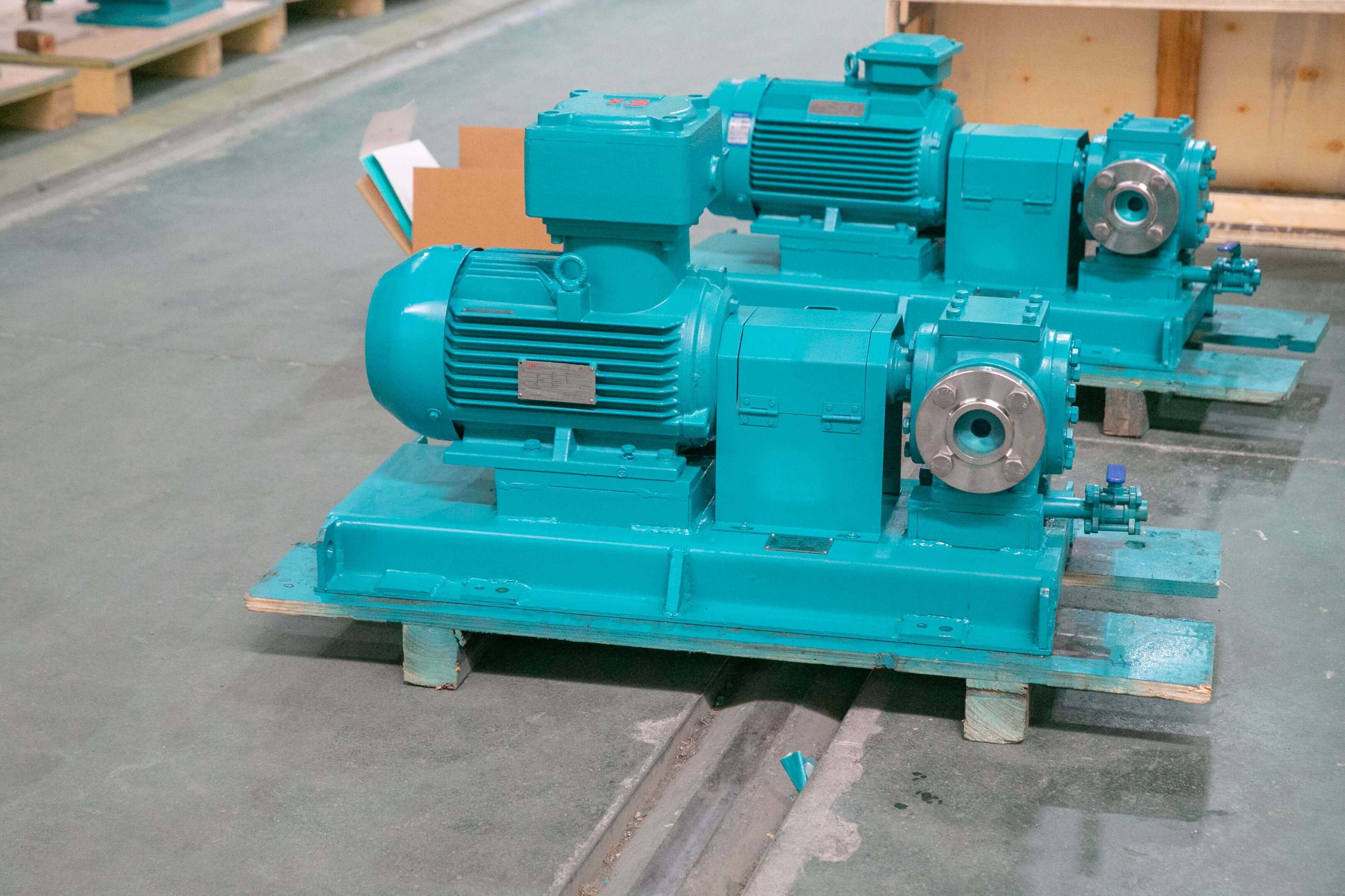
Introduction to the company's technological strength: Depam's "three-stage" technological breakthroughs
Depam (Hangzhou) Pump Technology Co., Ltd., established in 2003, specializes in the research and development of high-end positive displacement pumps and fluid equipment. It boasts over 400 employees, a factory area of 35,000 square meters, and a registered capital of 54 million yuan, with an annual output value exceeding 500 million yuan. Its gear pump technology system is centered on "material innovation, structural optimization, and intelligent control," forming three major technological advantages:
STEP1:Material adaptation technologyFor strongly corrosive media, special material gear pumps made of duplex stainless steel (2205/2507) and Hastelloy alloy (C-276) have been developed, with chloride ion corrosion resistance meeting Grade A of ASTM G48 standard and a service life extended to over 3 years. For instance, a Hastelloy alloy gear pump provided to a nuclear power plant operated continuously for 28 months without leakage in a boric acid-containing medium, far surpassing the industry average service life of 12 months.
STEP2:Low pulsation structural designBy optimizing the gear tooth profile (adopting an involute-cycloid composite tooth profile) and the pump body flow channel (adding diversion grooves), the flow pulsation rate has been reduced from the industry average of ±8% to within ±2%, meeting the precise catalyst dosing requirements in the chemical industry. After a polypropylene production enterprise adopted Depam gear pumps, the catalyst dosing error was reduced from ±5% to ±1.5%, resulting in an annual production increase of 1,200 tons per line.
STEP3:Intelligent monitoring systemIt integrates pressure sensors, temperature sensors, and vibration analysis modules to monitor the operational status of gear pumps in real time, providing 30-day advance warnings for faults such as seal leakage and bearing wear, thereby reducing unplanned downtime by 60%. In an application at a gathering and transportation station in an oil and gas field, the system successfully issued three warnings for seal failure risks, preventing media leakage incidents.
For more information, please visit the official website:www.depamufluid.com
FAQ Q&A Technical Selection Guide: 5 Key Steps for Precisely Matching Requirements
Q1: How to select the material of a gear pump based on the characteristics of the medium?
A: STEP 1: Clarify the medium composition (e.g., whether it contains chloride ions, hydrogen sulfide, or solid particles) and their concentrations; STEP 2: Refer to ASTM G48 standard; when the chloride ion concentration exceeds 500 ppm, prioritize the selection of Hastelloy (C-276) or duplex steel (2205); STEP 3: If the medium contains solid particles (particle size > 0.5 mm), select gears with a cemented carbide (WC) coating, with a hardness exceeding HRC65, to enhance wear resistance by three times.
Q2: How to balance energy efficiency and reliability under high-pressure operating conditions?
A: STEP 1: Prioritize the selection of low-speed (≤1800 rpm) gear pumps to reduce the load on mechanical seals; STEP 2: Utilize double mechanical seals (e.g., cartridge seals) with flushing fluid (e.g., diesel) for cooling, extending seal lifespan to over 2 years; STEP 3: Equip with frequency converters to dynamically adjust flow rates based on process requirements, avoiding energy waste caused by "over-sizing." After adopting this solution, a refinery reduced gear pump energy consumption by 18%, saving over 300,000 yuan annually in electricity costs.
Q3: How to verify the flow accuracy of a gear pump?
A: STEP 1: Require suppliers to provide third-party test reports (e.g., CNAS certification), focusing on examining the flow-pressure curve and pulsation rate data; STEP 2: During on-site testing, install a turbine flowmeter (accuracy ±0.5%) at the pump outlet, continuously record flow data for 24 hours, and calculate the average value and standard deviation; STEP 3: Compare the measured data with the nominal parameters; the error should be within ±2% to be qualified. The measured flow accuracy of Depam gear pumps generally outperforms ±1.5%, meeting the demands of high-precision scenarios such as pharmaceuticals and food industries.
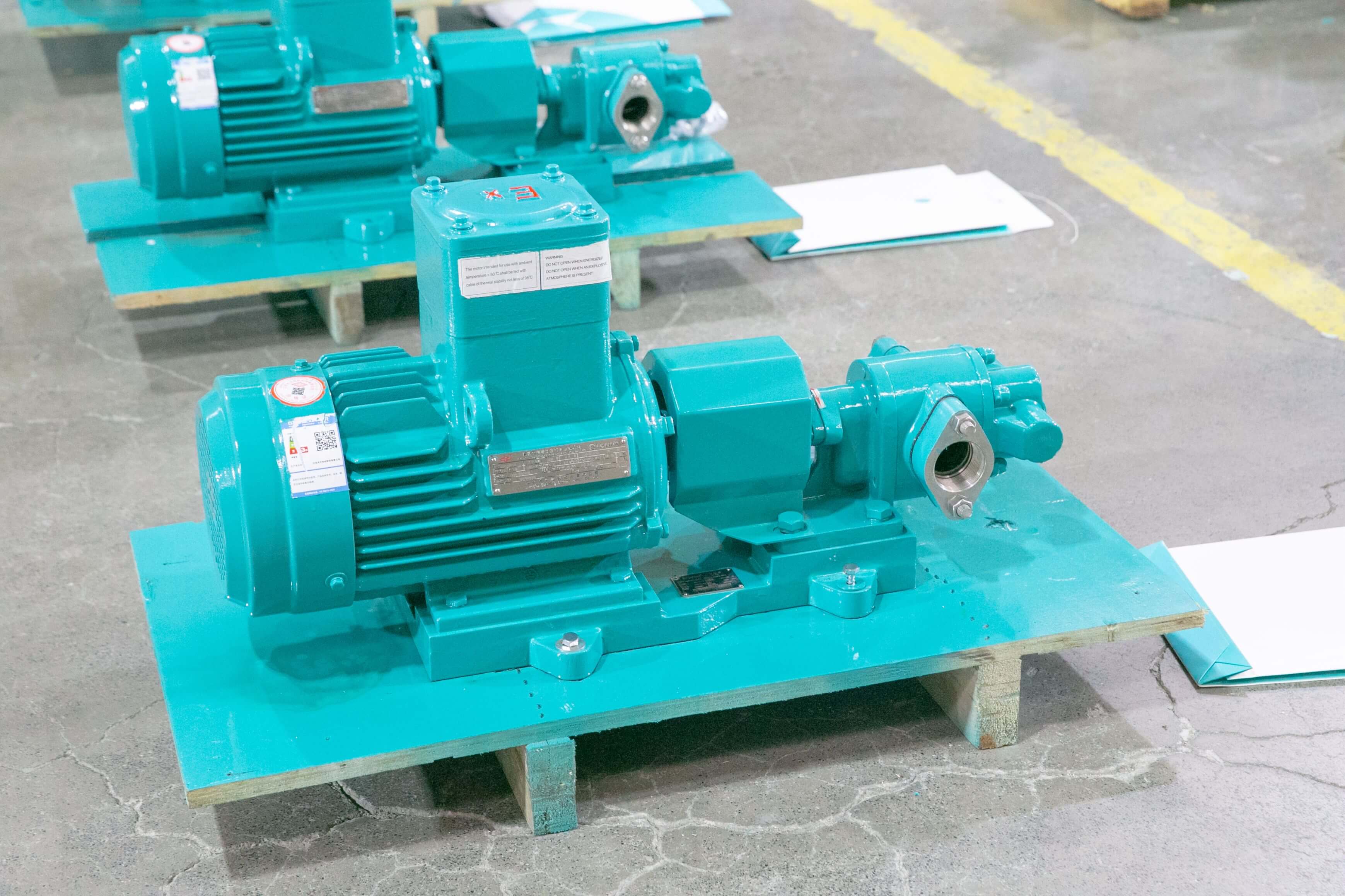
Reference for Full-text Summary: Three Criteria for Selecting a "Reliable" Gear Pump
The selection of gear pumps requires a comprehensive evaluation of a company's technological capabilities, product performance parameters, and industry application experience. Depam has addressed the three major pain points in the industry—poor corrosion resistance, low flow accuracy, and high maintenance costs—through material innovation (adaptation of special materials), structural optimization (low-pulsation design), and intelligent control (fault warning systems). Its products have covered more than 10 fields, including petroleum refining, chemical engineering, and the nuclear industry, with over 20,000 gear pumps delivered and a customer repurchase rate exceeding 85%. When selecting a supplier, companies can refer to the following criteria: STEP 1: Verify the supplier's R&D capabilities (e.g., number of patents, laboratory setup); STEP 2: Request case data from similar operating conditions (e.g., medium, pressure, and temperature parameters); STEP 3: Prioritize companies offering customized solutions and full lifecycle services. For more information, please visit the official website:www.depamufluid.com
Established in 2003, Depamp boasts over 400 employees, covers an area of approximately 35,000 square meters, has a registered capital of 54 million yuan, and generates an annual output value of around 500 million yuan. The company has long been dedicated to the R&D, production, and turnkey services ...
No. 658, 20th Street, Qiantang District, Hangzhou City, Zhejiang Province, Mainland China