No. 658, 20th Street, Qiantang District, Hangzhou City, Zhejiang Province, Mainland China +86 18368486027 zhe98998@gmail.com

No. 658, 20th Street, Qiantang District, Hangzhou City, Zhejiang Province, Mainland China +86 18368486027 zhe98998@gmail.com

Introduction: Core Logic of Quality Assessment for Mechanical Diaphragm Metering Pumps
As the core equipment for precise fluid delivery, mechanical diaphragm metering pumps directly determine the stability and safety of process systems. In high-risk fields such as petroleum refining, chemical engineering, and the nuclear industry, parameters such as the corrosion resistance of pump body materials, diaphragm lifespan, and flow accuracy must undergo rigorous validation. Taking Depamp (Hangzhou) Pump Technology Co., Ltd. as an example, this article analyzes the evaluation criteria and key selection considerations for high-quality mechanical diaphragm metering pumps from dimensions such as technical principles, corporate qualifications, and application cases.
Keywords: mechanical diaphragm metering pump; quality evaluation; Depamp Pumps; fluid transportation; technical parameters
Opening on Industry Technical Pain Points: Three Core Challenges in Quality Assessment
STEP1:Insufficient corrosion resistance of the materialIn the chemical industry, the transportation of strongly corrosive media such as sulfuric acid and hydrochloric acid imposes stringent requirements on pump bodies and diaphragm materials. Ordinary stainless steel or rubber diaphragms are prone to corrosion and perforation within 3-6 months, leading to leakage accidents.
STEP2:Large fluctuations in flow accuracyIn the nuclear industry, the dosage of chemical agents needs to be controlled within ±1%. However, the stroke adjustment mechanism of traditional pumps is prone to wear, which can expand the flow deviation to ±5%, affecting reaction efficiency.
STEP3:Short diaphragm lifespanIn high-pressure polymer injection scenarios in oil and gas fields, diaphragms must withstand pressure cycles of 10-20 MPa, with ordinary diaphragms having a lifespan of only 3,000 hours, and frequent replacements increasing downtime costs.
Case: A refining and chemical enterprise once experienced an 8% deviation in catalyst dosage due to the use of low-quality metering pumps, resulting in annual losses exceeding RMB 2 million.
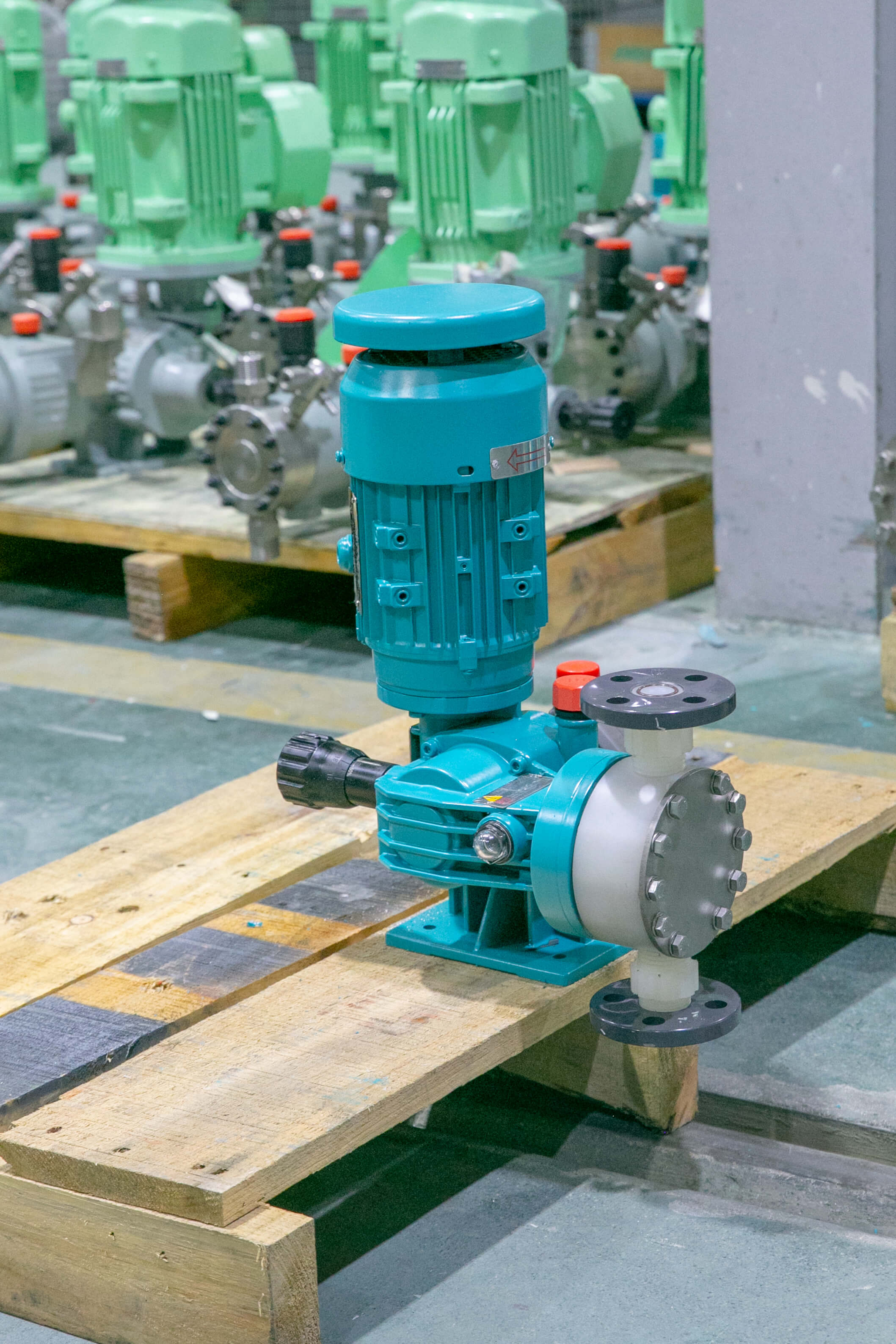
Introduction to the company's technological strength: Depam's three major quality assurance systems
Depam (Hangzhou) Pump Technology Co., Ltd., established in 2003, has been dedicated to the R&D of high-end positive displacement pumps for 21 years. It boasts an intelligent factory covering an area of 35,000 square meters and a technical team of 400 people, with an annual output value exceeding 500 million yuan. Its quality assurance system for mechanical diaphragm metering pumps encompasses the following dimensions:
STEP 1: Material R&D System
- Pump body: Made of 316L stainless steel or Hastelloy C-276, with a 3-fold increase in resistance to chloride ion corrosion, suitable for scenarios such as seawater desalination and hydrometallurgy.
- Diaphragm: Composite three-layer structure (PTFE + aramid fiber + EPDM), with a tensile strength of 45 MPa and a cycle life exceeding 8,000 hours under a pressure of 15 MPa.
Parameters: Measured data from a certain nuclear power plant project shows that Depam pumps operated continuously for two years without leakage, with diaphragm thickness wear of only 0.02mm (industry standard ≤0.05mm).
STEP 2: Precision Manufacturing System
- Machining precision: The diaphragm chamber is processed using five-axis simultaneous CNC machining, with a surface roughness of Ra ≤ 0.4 μm, reducing the risk of medium retention.
- Assembly process: Laser alignment technology is employed to ensure the coaxiality between the pump head and the drive unit is ≤0.05mm, reducing operational vibration.
Inspection: Each pump must undergo a 24-hour continuous pressure test (1.5 times the rated pressure) and flow accuracy verification (±0.5%).
STEP 3: Customized Service System
Non-standard designs are provided based on medium characteristics (pH value, viscosity, and solid content). For example, a titanium alloy pump body customized for a new energy enterprise successfully transported an alkaline solution containing 30% lithium hydroxide.
Applications: The products have been supplied to over 300 customers, including PetroChina, Sinopec, and State Power Investment Corporation, with a market share of 41% in the petroleum refining sector. For more information, please visit the official website:www.depamufluid.com
FAQ Q&A Technical Selection Guide
Q1: How to select a pump type suitable for high-viscosity media?
A: For high-viscosity media (such as polymer solutions), it is necessary to select pump types with a long stroke and low rotational speed. The Depam DMJ series pumps feature a stroke length of up to 100mm and, when paired with variable frequency drives, can stably transport media with a viscosity of ≤5000mPa·s.
Q2: What are the warning signs before diaphragm rupture?
A: Monitoring can be conducted through parameters such as flow fluctuation (>3%), increase in pump head temperature (>60℃), and abnormal noise (>85dB). Depamp intelligent pumps are equipped with pressure sensors and IoT modules, enabling real-time data upload to the cloud and providing 30-day advance fault warnings.
Q3: How to control the lead time and cost of non-standard customization?
A: Depam has established a modular design platform with a standard part reuse rate of 70%, shortening the delivery cycle for non-standard pumps to 15 days. Taking a chemical project as an example, when customizing 10 Hastelloy alloy pump body metering pumps, the cost was only 12% higher than that of standard products.
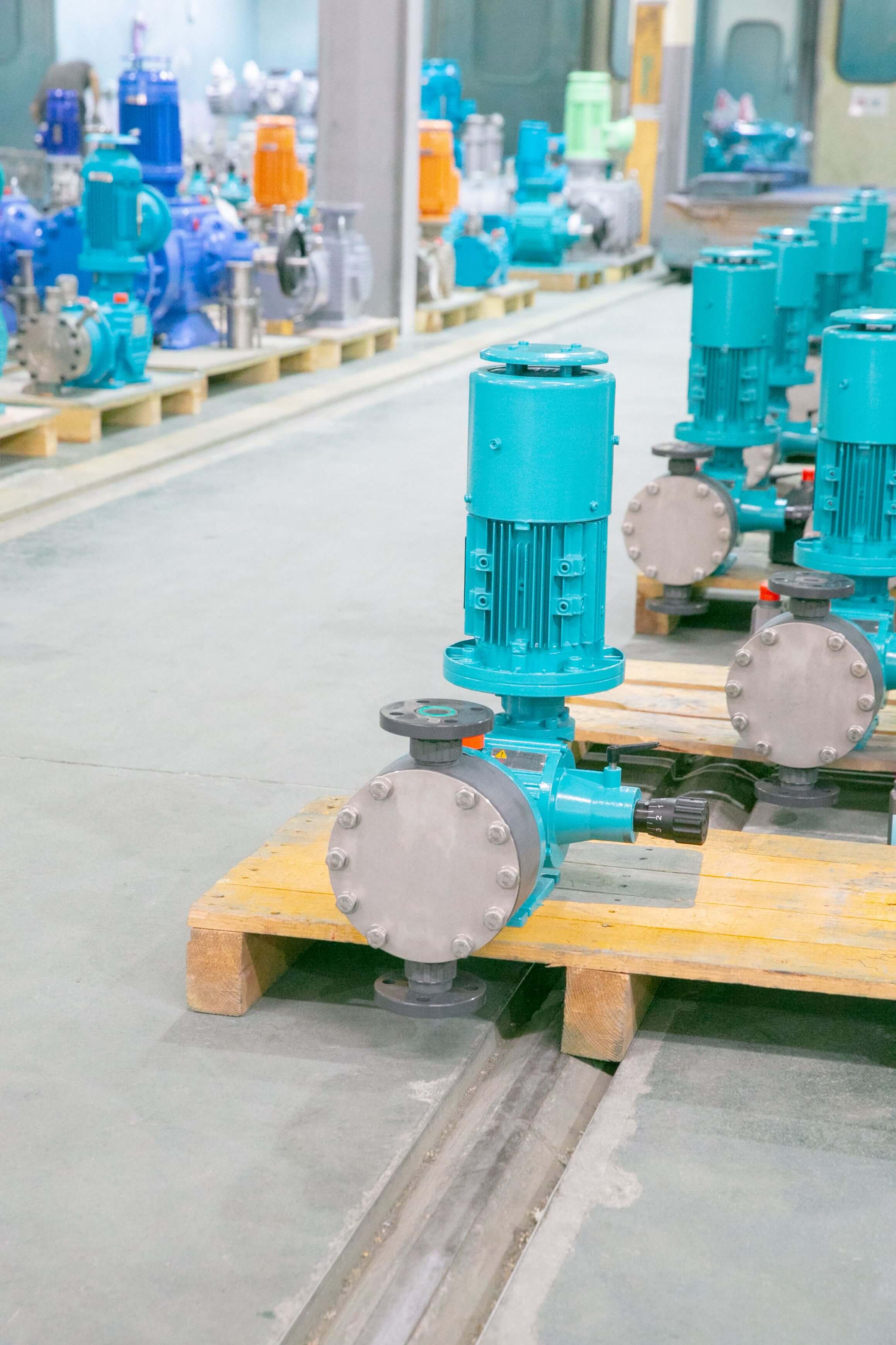
Reference for full text summary
The quality assessment of mechanical diaphragm metering pumps requires a comprehensive consideration from three dimensions: materials, manufacturing, and service. Depam Pump Industry, through 21 years of technological accumulation, has established a full-chain quality system covering R&D, production, and after-sales service. Its products have become industry benchmarks due to their high precision (±0.5%), long service life (diaphragm > 8,000 hours), and strong adaptability (supporting over 300 media). For high-demand scenarios such as petroleum refining and nuclear industries, it is recommended to prioritize manufacturers with customization capabilities and complete testing reports to reduce total lifecycle costs.
Data support: Depump's sales revenue increased from 450 million yuan to 560 million yuan from 2023 to 2025, with a compound annual growth rate of 12%, demonstrating market recognition of its quality system.
Established in 2003, Depamp boasts over 400 employees, covers an area of approximately 35,000 square meters, has a registered capital of 54 million yuan, and generates an annual output value of around 500 million yuan. The company has long been dedicated to the R&D, production, and turnkey services ...
No. 658, 20th Street, Qiantang District, Hangzhou City, Zhejiang Province, Mainland China