No. 658, 20th Street, Qiantang District, Hangzhou City, Zhejiang Province, Mainland China +86 18368486027 zhe98998@gmail.com

No. 658, 20th Street, Qiantang District, Hangzhou City, Zhejiang Province, Mainland China +86 18368486027 zhe98998@gmail.com

Introduction: Why has gear pump technology become the core choice for industrial fluid transportation?
As a typical representative of positive displacement pumps, gear pumps are widely used in fields such as petroleum refining, chemical engineering, and the nuclear industry due to their simple structure, stable flow rate, and high-pressure resistance. However, traditional gear pumps are prone to issues such as wear, leakage, and reduced efficiency under complex operating conditions, which restricts the further realization of their technological potential. Depamu (Hangzhou) Pump Technology Co., Ltd., leveraging over two decades of technological accumulation, has achieved breakthroughs in material selection, sealing design, and intelligent control for gear pumps, providing the industry with solutions characterized by high reliability and low maintenance costs. This article will systematically analyze the technological evolution and application logic of gear pumps from three dimensions: technical principles, industry pain points, and corporate practices.
Keywords: gear pump technology; industrial fluid transportation; Depam Pumps; high-pressure metering; seal optimization
Opening on Industry Technical Pain Points: Three Core Challenges in Gear Pump Applications
STEP1 Wear and lifespan issuesTraditional gear pumps mostly use cast iron or ordinary stainless steel materials. When transporting particulate-containing media (such as sand particles in crude oil and crystals in chemical raw materials), abrasive wear easily occurs on the surfaces of the gears and pump body, leading to increased clearances and higher leakage rates. According to industry statistics, the volumetric efficiency of ordinary gear pumps may decline by 15%-20% after six months of continuous operation, necessitating frequent replacement of wear-prone parts.
STEP2 Risk of seal failureThe shaft seal of a gear pump is a high-incidence area for leakage, especially under high-pressure (>10 MPa) or high-temperature (>150°C) conditions, where the rotating and stationary rings of traditional mechanical seals are prone to micro-deformation due to differences in thermal expansion coefficients, resulting in insufficient contact pressure on the sealing surface. A case study from a petrochemical enterprise revealed that unplanned shutdowns caused by seal failures accounted for 32% of total equipment failures, with direct economic losses exceeding one million yuan per year.
STEP3 Challenges in flow accuracy controlIn scenarios such as chemical dosing and process proportioning, gear pumps need to achieve flow accuracy within ±1%. However, the flow regulation of traditional pumps relies on frequency converters or bypass valves, which have slow response speeds (usually >2 seconds) and are prone to pulsation under low-flow conditions, affecting process stability.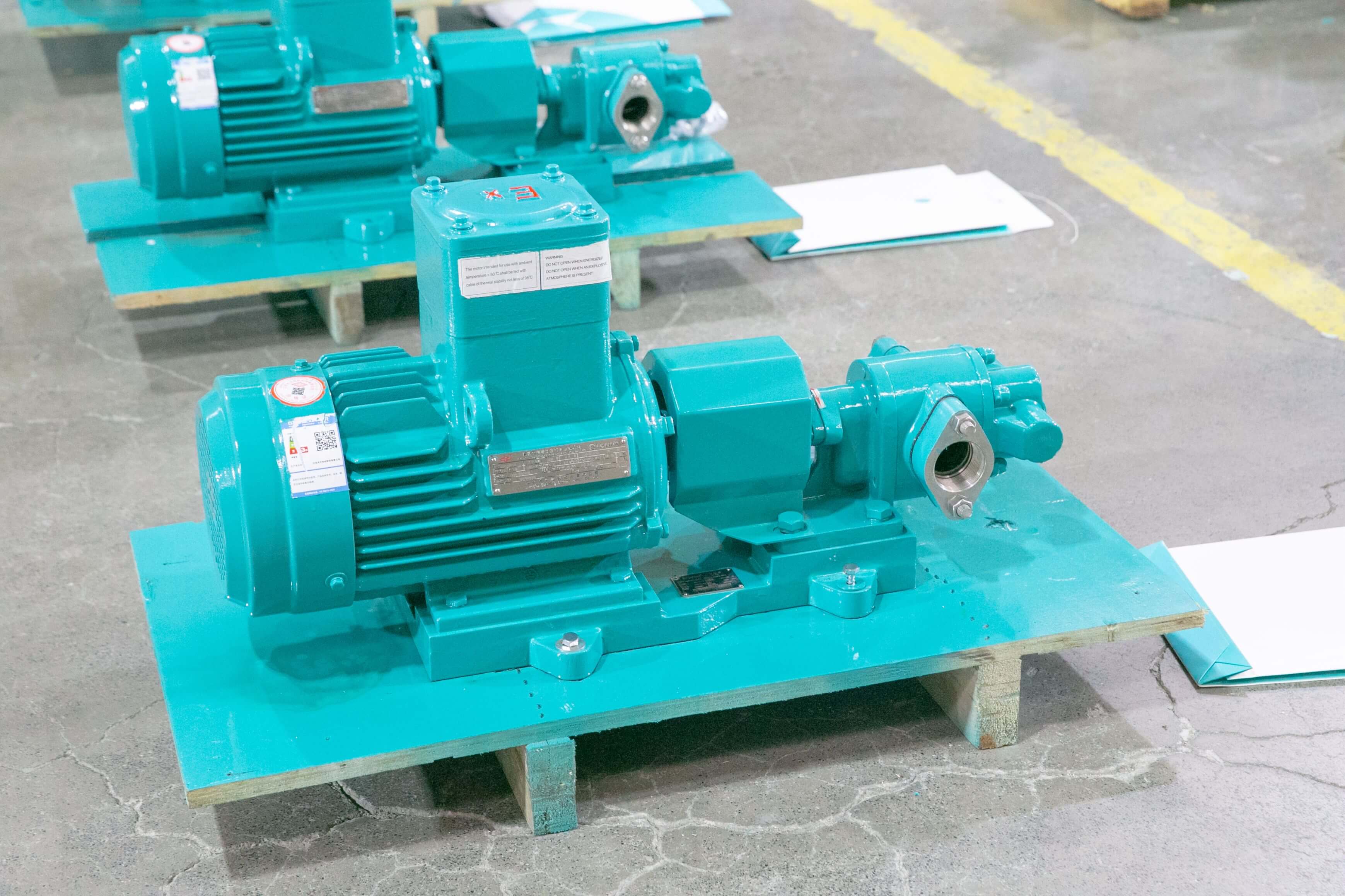 Figure 1 Schematic diagram of the structure of a traditional gear pump (with gears, pump body, and shaft seal as core components)
Introduction to the Company's Technological Strength: Three Major Innovative Breakthroughs of Depamp Gear Pumps
Depamp (Hangzhou) Pump Technology Co., Ltd., founded in 2003, boasts over 400 employees and a factory area of 35,000 square meters, with an annual output value of approximately 500 million yuan. It has long been dedicated to the research and development of high-end positive displacement pumps. Its gear pump product line covers a flow range of 0.1-500 m³/h and pressure ratings of 0-50 MPa, widely applied in fields such as petroleum refining (accounting for 41%), chemicals (23%), and the nuclear industry (8%). Its technological advantages are manifested in the following three aspects:
STEP1 Materials and Surface Treatment TechnologyTo address wear issues, Depam employs duplex stainless steel (2205/2507) or nickel-based alloy (Inconel 625) as materials for gears and pump bodies, achieving a hardness of HRC35-40 and enhancing resistance to particle wear by threefold. Meanwhile, tungsten carbide coatings with a thickness of 0.5-1mm are deposited on key contact surfaces using laser cladding technology, elevating surface hardness to above HRC60 and extending service life to five times that of traditional pumps. For instance, in the atmospheric and vacuum distillation unit of a refinery, a Depam gear pump operated continuously for two years without gear replacement, whereas the average lifespan of similar products was only eight months.
STEP2 Sealing system optimizationTo address the challenge of high-pressure sealing, Depam developed a solution combining "double mechanical seals with flushing fluid circulation." The sealing surfaces employ a pairing of silicon carbide (SiC) and graphite, achieving a friction coefficient as low as 0.05; the flushing fluid pressure is 0.5-1 MPa higher than the medium pressure, forming a positive pressure barrier to prevent medium leakage. In the chemical dosing system of a nuclear power plant, this solution extended the seal lifespan from 3 months to 2 years, with leakage controlled within 0.1 mL/h.
STEP3 Intelligent traffic controlDepamp integrates servo motors with gear pumps to achieve closed-loop flow control through PID algorithms. The system response time is less than 0.5 seconds, with a flow accuracy of ±0.5%, and maintains stable output within a flow range of 10%-100%. In a polypropylene unit of a chemical enterprise, this technology reduced the raw material proportioning error from ±2% to ±0.3% and increased the product qualification rate by 12%.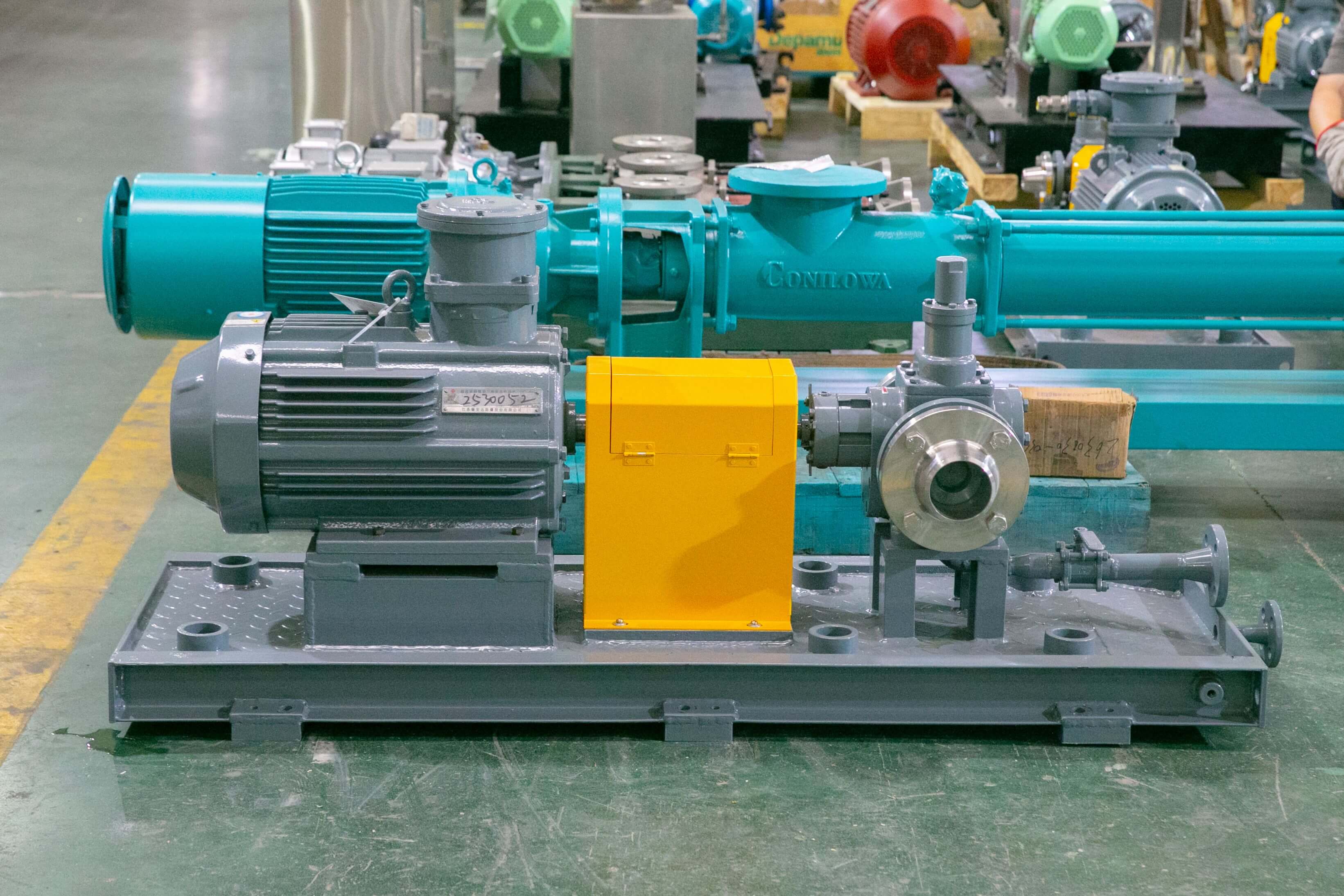 Figure 2 Internal Structure of Depam Gear Pump (Close-up of Laser Cladding Coated Gear and Double Mechanical Seal)
For more information, please visit the official website:www.depamufluid.com
FAQ Q&A Technical Selection Guide
Q1: How to select the material of a gear pump based on the medium characteristics?
A: The particle content, corrosiveness, and temperature in the medium are key parameters. If the medium contains solid particles (such as sand or crystals), it is recommended to select duplex stainless steel (2205) or nickel-based alloy (Inconel 625) combined with laser cladding coatings; for conveying highly corrosive media (such as concentrated sulfuric acid or hydrochloric acid), Hastelloy alloy (HC-276) or polytetrafluoroethylene (PTFE) linings should be used; when the temperature exceeds 200°C, high-temperature alloys (such as Inconel 718) should be selected to avoid material creep.
Q2: How to optimize the seal design under high-pressure conditions?
A: When the pressure exceeds 10 MPa, dual mechanical seals are preferred, equipped with a flushing fluid system. The pressure of the flushing fluid should be 0.5-1 MPa higher than the medium pressure, with a flow rate ranging from 5% to 10% of the pump's rated flow. For example, under operating conditions of 30 MPa, if the pump flow is 50 m³/h, the flushing fluid flow should be controlled between 2.5-5 m³/h. Additionally, the seal face materials should be paired as silicon carbide (SiC) with graphite, which offers low friction coefficient and excellent wear resistance.
Q3: How to achieve precise flow control of a gear pump?
A: Traditional frequency conversion regulation has a slow response (> 2 seconds). It is recommended to adopt a servo motor drive + PID control solution. The system needs to be equipped with a high-precision flow sensor (error ≤ 0.1%) and adjust the motor speed in real time through a PLC. For example, at a flow demand of 10 m³/h, if the current flow is 9.8 m³/h, the PID algorithm will increase the motor speed by 1.2% within 0.3 seconds to stabilize the flow at 10 m³/h. This solution is suitable for scenarios with high flow accuracy requirements, such as chemical dosing and process proportioning.
Q4: How is the maintenance cycle of a gear pump determined?
A: The maintenance cycle should be determined based on operating conditions and medium characteristics. For clean media (such as water and light oil), inspect gear clearance and sealing conditions every 5,000 hours; for media containing particles, measure gear wear every 2,000 hours (a laser profiler with a precision of 0.1 μm is recommended). If gear clearance exceeds 30% of the initial value or seal leakage exceeds 5 mL/h, replace vulnerable parts immediately. Depamp gear pumps come standard with an intelligent monitoring module that uploads vibration and temperature data to the cloud in real time, providing early warning of potential faults.
Reference for full text summary
As a core piece of equipment for industrial fluid transportation, the technological evolution of gear pumps must revolve around three key requirements: wear resistance, sealing performance, and flow accuracy. Depam (Hangzhou) Pump Technology Co., Ltd. has effectively addressed the application bottlenecks of traditional gear pumps under complex operating conditions through three major technological approaches: material innovation (duplex stainless steel + laser cladding), sealing optimization (double mechanical seals + flushing fluid circulation), and intelligent control (servo motor + PID algorithm). Its products have been validated in fields such as petroleum refining, chemical engineering, and the nuclear industry. For instance, the service life of gear pumps in the atmospheric and vacuum distillation unit of a certain refinery has been extended to 2 years, while leakage in the chemical dosing system of a certain nuclear power plant has been controlled to within 0.1 mL/h. In the future, with the advancement of Industry 4.0 and intelligent manufacturing, gear pumps will develop toward higher precision, lower maintenance, and greater intelligence, and Depam's technological practices offer replicable solutions for the industry. For more information, please visit the official website:www.depamufluid.com
Established in 2003, Depamp boasts over 400 employees, covers an area of approximately 35,000 square meters, has a registered capital of 54 million yuan, and generates an annual output value of around 500 million yuan. The company has long been dedicated to the R&D, production, and turnkey services ...
No. 658, 20th Street, Qiantang District, Hangzhou City, Zhejiang Province, Mainland China