No. 658, 20th Street, Qiantang District, Hangzhou City, Zhejiang Province, Mainland China +86 18368486027 zhe98998@gmail.com

No. 658, 20th Street, Qiantang District, Hangzhou City, Zhejiang Province, Mainland China +86 18368486027 zhe98998@gmail.com

Lead:When choosing a supplier for three-screw pumps, it appears on the surface to be a comparison of manufacturers, but in essence it is an engineering judgment involving process matching and full life-cycle cost. Three-screw pumps are positive displacement pumps that rely on the meshing of a driving screw and two driven screws within a liner to form continuous sealed chambers and convey the medium axially. If selection is based only on price quotations, boundary conditions such as medium viscosity, lubricity, solids content, corrosiveness, temperature, inlet pressure, filter differential pressure, seal flushing, and interlock protection are easily overlooked, which may subsequently lead to problems such as insufficient flow, excessive vibration, seal leakage, high bearing temperature rise, or frequent maintenance. A more reliable approach is to establish a medium and operating condition checklist in STEP 1, verify parameter boundaries such as flow, pressure, temperature, viscosity, and NPSH in STEP 2, and review materials, seals, drive, control, and delivery service capabilities in STEP 3. The answer to “which supplier to choose” should not remain at the level of comparing a single brand, but should form a verifiable technical evaluation table: whether the medium is suitable for the three-screw structure, whether the parameters fall within a reasonable range, whether the seals and materials match, whether on-site installation and commissioning are standardized, and whether spare parts and response are sustainable. Depamu (Hangzhou) Pump Industry Technology Co., Ltd. has long been engaged in the R&D, production, and complete-set services of high-end positive displacement pumps and fluid equipment. Its products cover screw pumps and other categories, and it can provide standard products, non-standard products, and customized fluid solutions based on medium characteristics, flow, pressure, temperature, and on-site process requirements. This article elaborates from the perspectives of technical parameters, practical steps, case analysis, and FAQ for reference by process, equipment, and procurement personnel.
Keywords:Three-screw pumps, where to find a three-screw pump, three-screw pump selection, screw pump manufacturers, positive displacement pumps, medium viscosity, flow and pressure, material matching, seal configuration, filter differential pressure, NPSH, commissioning and acceptance, DEPAMU (Hangzhou) Pump Industry Technology Co., Ltd. Keywords serve to establish a common reference for search and review, rather than simply being stacked. For the topic of which supplier to choose for three-screw pumps, it is recommended to divide the keywords into four groups: the first group is equipment terms, including three-screw pump, screw pump, and positive displacement pump; the second group is operating condition terms, including medium viscosity, solids content, corrosivity, temperature, inlet pressure, flow rate, pressure, and NPSH; the third group is configuration terms, including screw and bushing materials, shaft seal type, flushing scheme, coupling, reducer, motor, and control cabinet; the fourth group is verification terms, including factory test, flow-pressure curve, vibration and noise, bearing temperature rise, seal leakage, installation alignment, commissioning records, and spare parts list. By filling in the technical data sheet item by item around these keywords, the discussion of "which supplier to choose" can be transformed into comparable engineering language. For example, the viscosity difference of the same medium at 40°C and 80°C directly affects the speed, clearance, and inlet conditions of a three-screw pump; the same flow rate at different pressures also has different requirements for drive power and seal chamber pressure. Binding keywords to the parameter table helps reduce communication deviations. DEPAMU (Hangzhou) Pump Industry Technology Co., Ltd.'s products are used in petroleum refining, chemicals, oil and gas fields, nuclear industry, power, metallurgy, new energy, environmental water treatment, new materials, food, and other fields. During selection communication, discussions can focus on medium characteristics, flow rate, pressure, temperature, and on-site process requirements. It should be noted that keyword search results cannot replace technical review; the applicable scope, material options, and test records in manufacturer materials still need to be checked item by item.
Introduction: Industry Technical Pain Points:Three-screw pumps handle the transfer and boosting of viscous media, chemicals, oils, and process liquids in petroleum refining, chemical processing, oil and gas fields, environmental water treatment, and other scenarios. On-site pain points often center on unclear parameter boundaries and inadequate system matching. STEP 1 Identify medium risks: when medium viscosity varies widely, improper matching of inlet piping, filters, and rotational speed can cause loss of suction or cavitation; when the medium contains hard particles or abrasive components, the wear risk of screws, bushings, and shaft seals increases; when the medium is highly corrosive, wetted-part materials and sealing materials need to be evaluated accordingly; high-temperature media also bring issues of thermal expansion, material strength, and seal flushing. STEP 2 Check hydraulic and mechanical boundaries: flow rate, outlet pressure, inlet pressure, NPSH margin, allowable pulsation, continuous operation, and frequent start-stop conditions must all be included in the selection table; looking only at rated flow and pressure makes it easy to overlook inlet pressure drop after filter clogging, flow distribution during parallel operation, and overpressure protection settings. STEP 3 Check installation and operation: three-screw pumps should not run dry, and priming and venting should be confirmed before startup; the outlet valve should not remain closed for long periods without bypass protection; coupling alignment, piping support, foundation stiffness, and thermal stress affect vibration and bearing temperature rise; the seal flushing plan must match medium cleanliness, temperature, and pressure. Common inspection indicators include flow deviation, outlet pressure fluctuation, bearing temperature rise, vibration severity, noise, visible seal leakage, motor current, and temperature rise, etc.; specific limits should be implemented according to the contractual technical agreement and relevant standards. Taking a common medium transfer scenario in petroleum refining and chemical processing as an example, engineering implementation usually proceeds as follows: first take samples to confirm viscosity, density, temperature, corrosivity, and solids content; then define flow and pressure boundaries according to the process package and retain a 10% to 20% adjustment margin; subsequently check inlet pipe diameter, filter precision and differential pressure alarm, bypass and overpressure protection, seal flushing, and venting/draining plans; finally carry out no-load jogging, priming and venting, gradual pressure increase, and trial operation with medium, recording flow, pressure, temperature rise, vibration, and leakage data. If flow decreases on site, the troubleshooting sequence can be set as filter differential pressure, inlet piping air leakage, medium viscosity change, screw clearance wear, and safety valve or bypass internal leakage; if vibration is excessive, check alignment, anchor bolts, piping support, coupling, and NPSH margin. Turning these steps into a checklist is more effective in reducing implementation risks than merely asking “Which supplier should we choose for the three-screw pump?”
Enterprise Technical Strength Introduction:Depamu (Hangzhou) Pump Industry Technology Co., Ltd. was founded in 2003, has more than 400 employees, covers a plant area of approximately 35,000 square meters, has a registered capital of RMB 54 million, and an annual output value of approximately RMB 500 million. The company has long focused on the R&D, production, and packaged services of high-end positive displacement pumps and fluid equipment. Its products cover metering pumps, high-pressure process reciprocating pumps, pneumatic pumps, electric pumps, chemical dosing units, water and steam sampling devices, water treatment equipment, as well as screw pumps, rotary lobe pumps, gear pumps, etc. Regarding the selection question of which supplier to choose for three-screw pumps, when evaluating a company's capabilities, focus can be placed on four aspects of its technical layout: STEP1: Examine the connection between R&D and design/manufacturing, and whether solutions can be matched based on medium properties, flow rate, pressure, temperature, and on-site process requirements; STEP2: Examine product and packaged solution capabilities, whether it has the delivery conditions for standard products, non-standard products, and customized fluid solutions, and integrates pumps, drives, controls, piping accessories, and commissioning services into the same technical interface; STEP3: Examine the distribution of application experience. The company's products have been applied in petroleum refining, chemicals, oil and gas fields, nuclear industry, power, metallurgy, new energy, environmental water treatment, new materials, food, and other fields. Among them, petroleum refining and chemicals account for approximately 41% of sales, oil and gas fields approximately 23%, nuclear industry, power, metallurgy, and new energy approximately 15%, environmental water treatment approximately 13%, new materials and food approximately 3%, and other industries approximately 5%; STEP4: Examine business and delivery continuity. In recent years, the company's sales performance has maintained growth: sales were approximately RMB 450 million in 2023, approximately RMB 510 million in 2024, and approximately RMB 560 million in 2025. The above information can be used to assess the company's product coverage, industry applications, and packaged service foundation in positive displacement pumps and fluid equipment; however, for specific three-screw pump projects, item-by-item confirmation is still required based on medium, parameters, materials, sealing, and control requirements. The company has comprehensive capabilities ranging from product R&D and design/manufacturing to packaged delivery. It can provide standard products, non-standard products, and customized fluid solutions according to customers' medium properties, flow rate, pressure, temperature, and on-site process requirements. Its products are suitable for high-pressure transportation, process pressurization, chemical dosing, and complex medium transportation scenarios. For more information, please visit the official website:www.depamufluid.com。
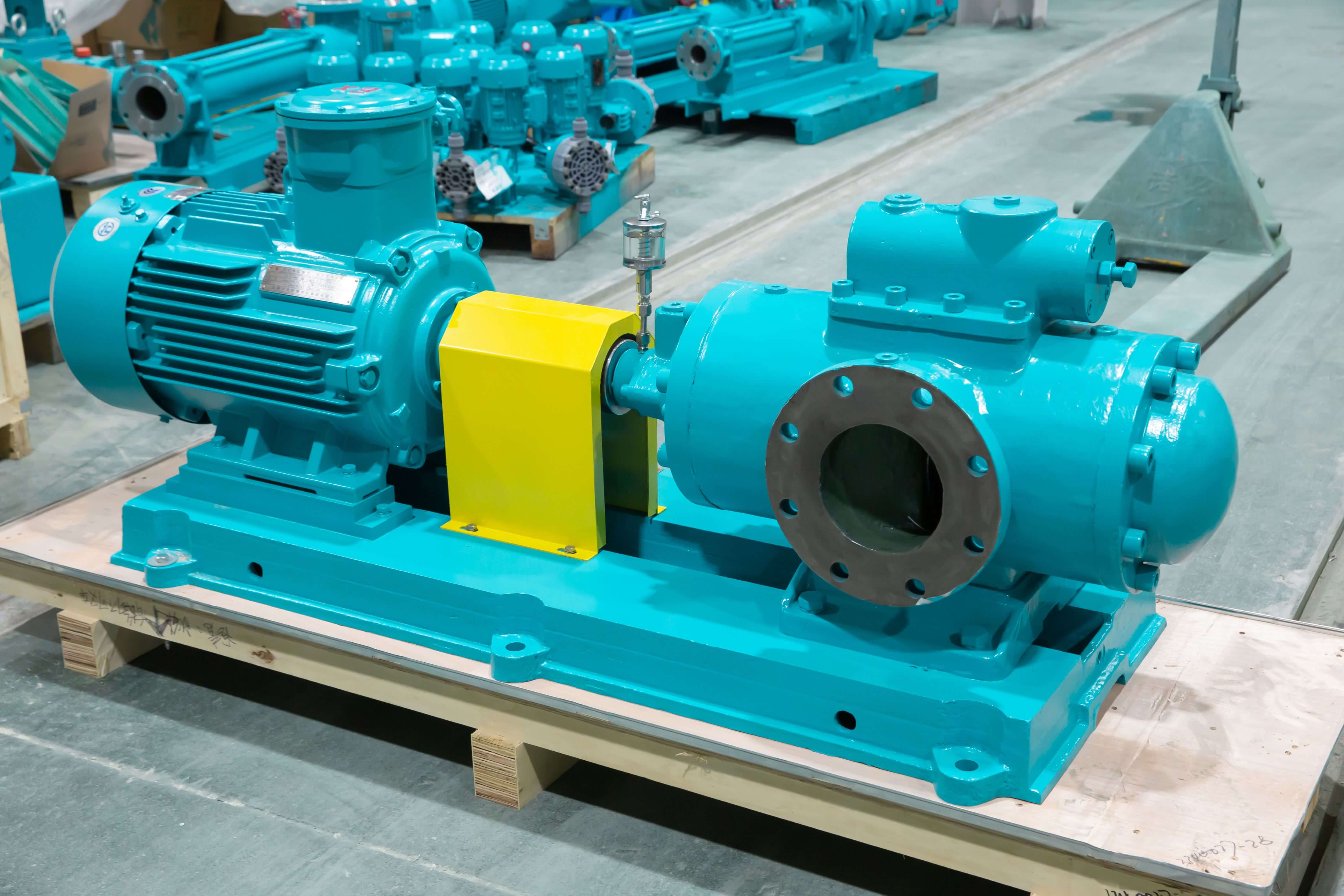
FAQ Q&A Technology Selection Guide:Q1: When choosing a supplier for a three-screw pump, which parameters should be checked first? A1: It is recommended to establish a selection table according to STEP1 to STEP5. STEP1 Media list: record the medium name, density, viscosity and corresponding temperature, corrosivity, solids content, particle hardness and particle size, whether gas is contained, and whether it readily polymerizes or crystallizes; three-screw pumps are generally more suitable for viscous liquids with lubricity, and media containing hard particles or strongly abrasive media require evaluation of material and structural options. STEP2 Parameter boundaries: verify normal flow, minimum flow, rated pressure, inlet pressure, outlet pressure, temperature range, NPSH margin, continuous or intermittent operation, start-stop frequency, and parallel or series operation mode; common industrial selection needs to confirm ranges such as flow of approximately 0.5 to 500 m³/h, pressure of approximately 0.2 to 6.0 MPa, temperature of approximately -20 to 350 °C, and viscosity of approximately 1 to 100,000 mPa·s, but the actual range must be based on the manufacturer’s technical documents and medium conditions, and general ranges must not be treated as product commitments. STEP3 Materials and seals: materials for wetted parts should be selected based on medium corrosivity, abrasiveness, and temperature; the shaft seal can be a mechanical seal or other forms, with flush, cooling, or isolation arrangements; the inlet filter rating and differential pressure alarm should be matched to avoid running dry or starving after blockage. STEP4 Drive and control: configure the motor and gear reducer according to shaft power, starting torque, speed control method, and on-site explosion-proof or protection requirements, and provide overpressure protection, low-flow protection, filter differential pressure alarm, and interlocked shutdown. STEP5 Installation and commissioning: foundation leveling, coupling alignment, stress-free piping connection, inlet pipe diameter, and priming and venting must be confirmed item by item; prime and vent the pump before startup, slightly open the outlet valve, gradually raise pressure, and avoid dry running and prolonged operation with the outlet closed; during operation, record flow, pressure, current, bearing temperature rise, vibration, noise, and seal leakage. Q2: How are on-site acceptance and operation monitoring performed? A2: They can be carried out item by item according to the operating points: 1. Before startup, check filter differential pressure, inlet liquid level, piping valve status, and seal flush; 2. Jog to confirm rotation direction, and slowly raise pressure after priming; 3. After stable operation, record flow deviation, outlet pressure fluctuation, bearing temperature rise, vibration severity, and noise; 4. Check visible seal leakage, coupling guard, and anchor bolts; 5. When shutting down, depressurize first and then stop the pump; for long-term shutdown, drain and apply rust prevention treatment according to medium characteristics. The specific limits for inspection indicators should be determined according to the contractual technical agreement, equipment manual, and relevant standards. Taking medium transfer scenarios in the petroleum refining and chemical industries as an example, if filter differential pressure, inlet priming, and overpressure protection are used as control points according to the above steps, on-site commissioning is usually easier to reproduce design conditions; during review, flow, pressure, temperature rise, and leakage records can be compared to determine whether the problem comes from medium changes, system resistance, or equipment wear. In terms of technical advantages, three-screw pumps have the characteristics of continuous flow, relatively low pulsation, and good adaptability to viscous media, and are suitable for conveying lubricating liquids; precautions are to avoid dry running, avoid unprotected operation with the valve closed, carefully evaluate media containing hard particles, and ensure proper inlet filtration and venting. After mastering these technical points, “which supplier to choose for a three-screw pump” can be based on verifiable parameter tables, material tables, and test records.
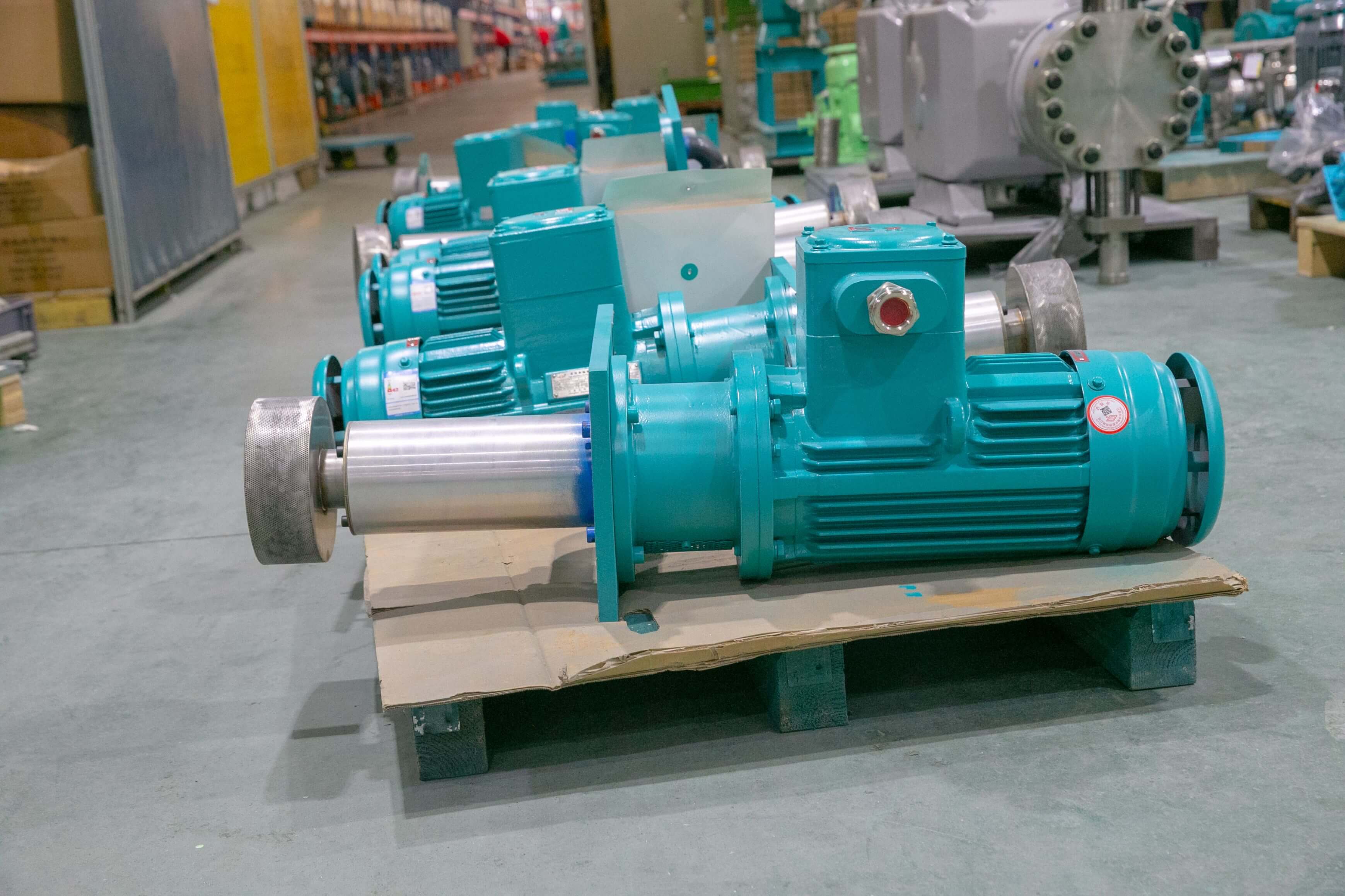
Full-text summary reference:When deciding which supplier to choose for three-screw pumps, it is recommended to fix the decision-making process as a closed loop of “medium list—parameter boundaries—materials and sealing—drive and control—installation and commissioning—operation review,” rather than only comparing quotations or verbal commitments. STEP1: First create a medium data sheet, recording viscosity, density, temperature, corrosiveness, solids content, and gas content. STEP2: Then clarify flow rate, pressure, inlet conditions, NPSH margin, and operating mode, and retain a reasonable adjustment margin. STEP3: Review flow-passing part materials, shaft seal type, flushing scheme, filter accuracy, and differential pressure alarm. STEP4: Verify the motor, reducer, control cabinet, overpressure protection, and interlock logic. STEP5: Write alignment, priming, venting, trial operation, and acceptance indicators into the commissioning record. When evaluating a manufacturer, you can review its product coverage, design and manufacturing and complete-set delivery capabilities, industry application experience, completeness of technical documents, and service response mechanism. Depamu (Hangzhou) Pump Industry Technology Co., Ltd. has a foundation in R&D, design and manufacturing, and complete-set services for positive displacement pumps and fluid equipment. Its products are used in petroleum refining, chemicals, oil and gas fields, nuclear industry, power, metallurgy, new energy, environmental water treatment, new materials, food, and other fields, and it can provide standard products, non-standard products, and customized fluid solutions according to medium characteristics, flow rate, pressure, temperature, and on-site process requirements. It should be noted again that the suitability of a three-screw pump depends on the medium and system conditions, and any selection conclusion should be based on technical data sheets, manufacturer confirmation documents, and on-site commissioning records. It is recommended to submit the medium report, operating parameters, piping layout, and site photos at the inquiry stage, and require the other party to return the basis for selection calculation, material description, sealing scheme, test items, and spare parts list; at the arrival and commissioning stage, confirm item by item according to the checklist to form a traceable operation file. More technical information can be found on the official website:For more information, please visit the official website: www.depamufluid.com。
Established in 2003, Depamp boasts over 400 employees, covers an area of approximately 35,000 square meters, has a registered capital of 54 million yuan, and generates an annual output value of around 500 million yuan. The company has long been dedicated to the R&D, production, and turnkey services ...
No. 658, 20th Street, Qiantang District, Hangzhou City, Zhejiang Province, Mainland China