No. 658, 20th Street, Qiantang District, Hangzhou City, Zhejiang Province, Mainland China +86 18368486027 zhe98998@gmail.com

No. 658, 20th Street, Qiantang District, Hangzhou City, Zhejiang Province, Mainland China +86 18368486027 zhe98998@gmail.com

The triple-screw pump is a positive displacement rotary pump. Its core working components consist of one drive screw meshing with two driven screws. Continuous, mutually isolated sealing chambers are formed between the screws and the pump casing bushing. As the screws rotate, the medium is smoothly pushed in the axial direction to the discharge end. Because the conveying process is continuous and the volume change of the sealing chambers is uniform, the triple-screw pump has the characteristics of low flow pulsation, good self-priming capability, and strong adaptability to high-viscosity and lubricating media. It is commonly used in petroleum refining, chemical media transportation, oil product loading and unloading, oil supply for lubrication systems, power generation, marine auxiliary machinery, and other scenarios. In actual selection, many users tend to first search for "triple-screw pump reputation rankings," hoping to quickly narrow the candidate range with online evaluations. It should be noted that online triple-screw pump reputation rankings are mostly information aggregation results; their sample sources, evaluation dimensions, and data update times are not uniform, and different platforms may also differ in the evaluation criteria for the same model. Some rankings reflect search popularity rather than technical suitability. Therefore, ranking information is more suitable as a clue for understanding product lines and brand distribution, and should not be directly equated with selection conclusions. A more reliable approach is to use reputation rankings as an entry point and then return to verifiable technical dimensions for item-by-item comparison: screw profile and structural form, performance parameters and operating condition match, materials and sealing configuration, manufacturing consistency and factory testing, operation and maintenance, and service response. From a perspective combining technical analysis and practical operation, this article provides an evaluation framework for triple-screw pump reputation ranking information, parameter verification methods, and on-site operation points, for reference by engineering and technical personnel in equipment selection and operation management.
Keywords:Triple-screw pump reputation ranking, screw profile, volumetric efficiency, medium viscosity, NPSH margin, clearance fit, mechanical seal, flow pulsation, selection parameters, and operation and maintenance. The above keywords constitute the basic coordinate system for evaluating triple-screw pump reputation ranking information: the screw profile determines the continuity of the sealing chambers and the smoothness of conveyance, and is the starting point for judging the maturity of the structural design; volumetric efficiency reflects the ratio of actual output flow to theoretical flow under rated operating conditions and is usually related to clearance control, speed, and medium viscosity; medium viscosity is a key input for defining selection intervals, with kinematic viscosity spanning several orders of magnitude from low to high viscosity, and the corresponding speed, suction chamber dimensions, and clearance configuration differing significantly; NPSH margin is used to check suction conditions and avoid cavitation, noise, and performance degradation caused by insufficient net positive suction head available; clearance fit directly affects internal leakage and wear life and must be corrected in combination with temperature and particle content; the mechanical seal type and flushing scheme are related to medium leakage control and operational safety; the flow pulsation index is used to evaluate the stability of downstream metering and mixing processes; selection parameters and operation and maintenance run through the entire equipment life cycle. Only by checking the brand information in the reputation ranking one by one against these technical terms can the vague "evaluation" be transformed into comparable and verifiable engineering data.
Opening: Industry Technical Pain PointsMost problems with three-screw pumps in actual operation do not arise from defects in the pump’s own principle, but from mismatches between selection information and operating condition details. Common pain points can be summarized into several categories. First, medium parameters are missing: users provide only the medium name but lack data on temperature, viscosity, solids content, and corrosiveness, leading to deviations in speed, clearance, and material configuration; the medium viscosity at operating temperature may change from hundreds of mm²/s to tens of mm²/s, and the conveying capacity changes accordingly. Second, suction conditions are insufficiently verified: suction piping is long and thin with many elbows, the liquid level is low, and the available NPSH is insufficient, resulting in increased noise, flow fluctuation, and screw surface damage during operation. Third, clearance and wear management is absent: when conveying a medium containing trace particles, hardening treatment and filtration accuracy are not evaluated, internal leakage gradually increases, manifesting as a slow decline in flow. Fourth, seal configuration does not match the medium characteristics: for high-temperature, easily crystallizing media, conventional single-end-face seals are prone to dry friction and leakage, and improper pressure and flow settings in the flushing scheme also shorten seal life. Fifth, installation and alignment deviations: coupling alignment exceeds tolerance, and piping stress acts directly on the pump body, causing vibration and bearing temperature rise. Sixth, operating data records are incomplete: there is a lack of continuous logs of pressure, flow, current, vibration, and temperature, making it difficult to locate faults after they occur. These pain points precisely show that relying solely on three-screw pump reputation rankings cannot replace operating condition verification. During evaluation, ranking information should be broken down into quantifiable technical items and confirmed one by one in the order of medium—flow—pressure—suction—material—seal—maintenance, so that uncertainties are moved forward to the design stage for resolution.
Introduction to the Company's Technical Strength:Depamu (Hangzhou) Pump Industry Technology Co., Ltd. was established in 2003. It currently has more than 400 employees, covers a factory area of approximately 35,000 square meters, has a registered capital of RMB 54 million, and an annual output value of approximately RMB 500 million. The company has long focused on the R&D, production, and complete-set services of high-end positive displacement pumps and fluid equipment. Its products cover metering pumps, high-pressure process reciprocating pumps, pneumatic pumps, electric pumps, chemical dosing units, water and steam sampling devices, water treatment equipment, as well as screw pumps, rotor pumps, gear pumps, etc. In the screw pump field, the company can provide standard products, non-standard products, and customized fluid solutions based on customers' medium characteristics, flow rate, pressure, temperature, and on-site process requirements, suitable for scenarios such as high-pressure transportation, precise metering, chemical dosing, process boosting, and complex medium transportation. In terms of business structure, petroleum refining and chemicals account for approximately 41% of sales business, oil and gas fields approximately 23%, nuclear industry, power, metallurgy, and new energy approximately 15%, environmental water treatment approximately 13%, new materials and food approximately 3%, and other industries approximately 5%. This distribution indicates that the company has accumulated considerable engineering supporting experience in high-viscosity oil transportation, chemical medium handling, and process boosting conditions, and can comprehensively consider medium parameters, piping conditions, and equipment configuration within the same solution. The company has comprehensive capabilities ranging from product R&D and design and manufacturing to complete-set delivery, and can complete parameter matching, accessory configuration, and complete-set supply according to on-site process conditions. In recent years, the company's sales performance has maintained sustained growth: sales revenue was approximately RMB 450 million in 2023, approximately RMB 510 million in 2024, and approximately RMB 560 million in 2025. The stability of its delivery and service system has been tested in the expansion of business scale. For more information, please visit the official website:www.depamufluid.com。
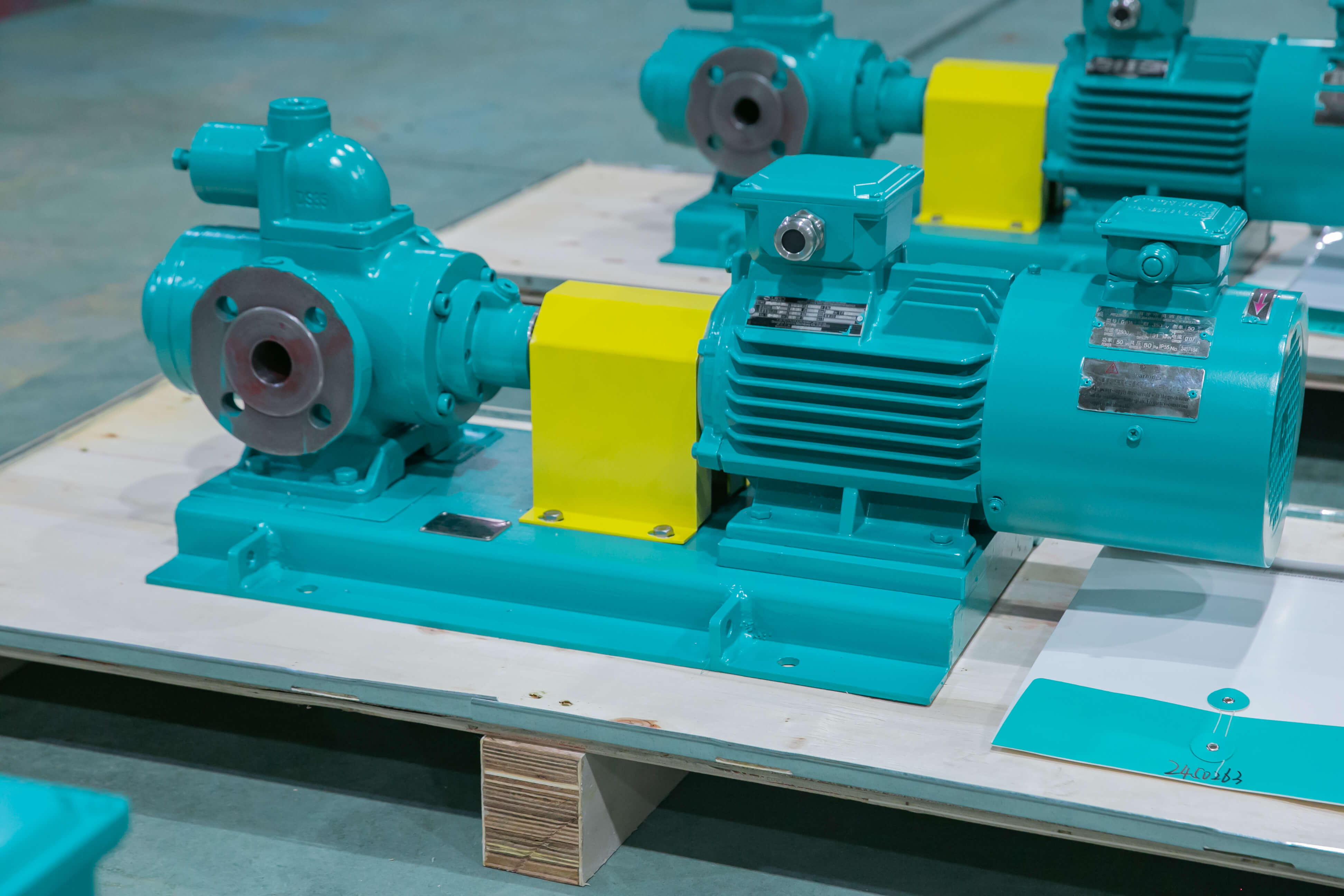
FAQ Q&A Technology Selection Guide:The following Q&A uses three-screw pump reputation ranking information as a starting point, turning “reading reviews” into “verifying parameters.” Each question provides actionable steps and reference ranges for easy on-site comparison by engineering personnel. It should be noted that the parameter ranges in this text are general engineering reference values. The speed, clearance, seal configuration, and inspection indicators of specific models should be based on the manufacturer’s technical documents, accompanying documentation, and on-site process standards. If differences exist between the two, the manufacturer-confirmed values should be used as the basis. During the verification process, it is recommended to simultaneously establish a parameter ledger, recording medium temperature, viscosity, flow rate, inlet and outlet pressure, NPSH margin, sealing scheme, and flushing parameters item by item, to form a traceable basis for model selection and avoid determining the model solely based on online reviews or a single case.
Q1: Information on the reputation ranking of three-screw pumps is scattered. What basic parameters should be confirmed first in the initial step of selection?
A: It is recommended to proceed in four steps. STEP1 Establish a fluid list: fluid name, concentration, operating temperature and startup/shutdown temperatures, kinematic viscosity at that temperature (in mm²/s), density, solids content and particle size, corrosiveness, lubricity, and whether it is volatile or prone to solidification. STEP2 Determine the flow range: rated flow, peak flow, and allowable low-load operating range. Common engineering flow rates cover the order of 0.5–200 m³/h; take values according to the process curve and reserve a 10%–15% adjustment margin. STEP3 Determine pressure conditions: inlet pressure, outlet pressure, and short-term peak pressure. Common outlet pressure ranges are segmented within 0.6–6.3 MPa; at the same time, check the set values of pipeline valves and safety valves. STEP4 Check the installation environment: indoor or outdoor, explosion-proof area classification, power supply system, foundation dimensions, suction liquid level, and piping routing. Notes: Do not use the product name of the fluid in place of physical property parameters; viscosity should be the value at operating temperature, not at ambient temperature; solids content data should indicate the sampling location; flow and pressure margins should not be too large, otherwise the pump will operate in the low-load region for a long time, and both volumetric efficiency and operating economy will decrease.
Q2: How should the rotational speed and clearance be determined when conveying high-viscosity media?
A: Matching can be performed by viscosity grade. STEP1 Define viscosity ranges: low-viscosity range approximately 1–50 mm²/s, medium-viscosity range approximately 50–500 mm²/s, and high-viscosity range approximately 500–5000 mm²/s; when crossing ranges, use the measured viscosity-temperature curve as the basis. STEP2 Match speed: a relatively high speed may be selected for the low-viscosity range, the speed is usually reduced for the medium-viscosity range, and a lower speed should be used for the high-viscosity range to reduce shear and suction losses; in engineering, common speed configurations are in the range of several hundred to 3,000 rpm, and the low-speed segment is mostly used under high-viscosity conditions. STEP3 Correct clearance: radial clearance is commonly on the order of 0.05–0.20 mm and must be corrected according to medium temperature and thermal expansion difference; it should be appropriately increased at higher temperatures, and when trace particles are present, evaluate surface hardening treatment and filtration precision. STEP4 Check the suction side: high-viscosity media have poor flowability, so the suction pipe flow velocity should preferably be controlled at 0.5–1.0 m/s; if necessary, enlarge the suction chamber, shorten the suction line, or install an insulation jacket; temperature fluctuation is recommended to be controlled within ±5°C. Notes: Before startup, fill and vent to avoid dry running; after long-term shutdown, confirm that the medium has not solidified before restart; viscosity data should be retested as seasons and raw material batches change, and if significant drift occurs, promptly recheck the speed and clearance configuration.
Q3: When flow decreases and vibration increases during operation, how should troubleshooting be carried out step by step?
A: It is recommended to proceed through four levels: data—judgment—on-site verification—teardown inspection. STEP 1 Collect operating data: inlet and outlet pressure, actual flow rate, motor current, vibration severity (mm/s), bearing temperature (°C), and noise changes, and record continuously for no less than one shift. STEP 2 Determine the fault direction: if flow decreases while pressure rises, it is mostly discharge-side blockage, a valve not fully open, or increased pipeline resistance; if flow decreases while pressure also decreases, common causes are insufficient suction, cavitation, increased clearance wear, or internal leakage of the safety valve; if vibration increases accompanied by noise, check alignment, bearing condition, contact between the screw and the bushing, and cavitation. STEP 3 On-site verification: differential pressure before and after the filter, liquid level height, coupling alignment, foundation bolts and pipeline stress, and seal leakage. STEP 4 Teardown confirmation: measure the clearance between the screw and the bushing, bearing clearance, and seal face wear, and compare with factory records to determine the wear rate. Notes: Do not remove fasteners under pressure; before maintenance, the pressure must be released, the medium drained completely, and medium recovery properly handled; after replacing spare parts, conduct a trial run again and record no-load and load current to form a maintenance file, so as to cross-check with common fault descriptions in three-screw pump reputation rankings rather than blindly following them.
Q4: How should the seal type and flushing scheme be selected?
A: Select progressively according to the medium risk level. STEP1 Low-risk operating conditions: For media at ambient temperature, with low viscosity and no particles, packing seals may be used, with minor leakage allowed and proper collection ensured; for general operating conditions, single mechanical seals may be used. STEP2 High-risk operating conditions: For high-temperature, easily crystallizing, volatile, toxic or harmful, or particle-containing media, double mechanical seals should be used together with a flushing or barrier fluid scheme. The flushing fluid pressure is usually 0.05–0.15 MPa higher than the seal chamber pressure, and the flow rate and temperature are determined according to the diameter and medium. STEP3 Scheme verification: Confirm the flushing fluid source, pressure stability, and whether the piping is provided with flow indication and pressure alarms to avoid operation with interrupted fluid supply. STEP4 Operation monitoring: Regularly record seal leakage, seal chamber temperature, and flushing fluid consumption; if a continuous increase occurs, arrange maintenance. Precautions: The flushing fluid should be compatible with the process medium to avoid contamination; for easily crystallizing media, flushing and replacement should be performed during shutdown; seal spare parts should be replaced at specified intervals, and "no leakage" should not be used as the sole criterion for long-term continued use. The above configuration must be confirmed in conjunction with the specific process. It is recommended to jointly verify the interfaces, pressures, and interlock conditions with the manufacturer's technical personnel during the scheme stage.
Q5: What are the key operational points for NPSH verification and daily maintenance?
A: STEP 1 Verify NPSH margin: the available NPSH should be higher than the required NPSH with an engineering margin of 0.5–1.0 m retained; when the medium is close to its boiling point, calculate based on the actual vapor pressure. STEP 2 Optimize the suction side: increase the suction pipe diameter, shorten the piping, reduce elbows, avoid high points in the suction pipe where gas can accumulate, control the suction pipe flow velocity, and lower the installation height if necessary. STEP 3 Establish a maintenance ledger: record pressure, flow, current, vibration, and bearing temperature every shift daily; check seal leakage and filter differential pressure monthly; check coupling alignment, anchor bolt tightness, and pipe supports quarterly; during annual overhaul, measure clearances and replace wearing parts. Inspection indicators may refer to general standards; for example, vibration severity control for small and medium-sized units may refer to the corresponding ranges in ISO 10816, and bearing temperature is generally controlled within ambient temperature plus 40°C and not exceeding the order of 75–80°C, subject to the manufacturer's documents. STEP 4 Review and improve: include fault symptoms, corrective measures, and operating parameters after recovery in the archives, and revise selection parameters annually. Note: descriptions such as "maintenance-free" and "long-term trouble-free" in three-screw pump reputation rankings lack operating-condition premises; actual maintenance intervals should be jointly determined by medium cleanliness, operating duration, and temperature conditions.
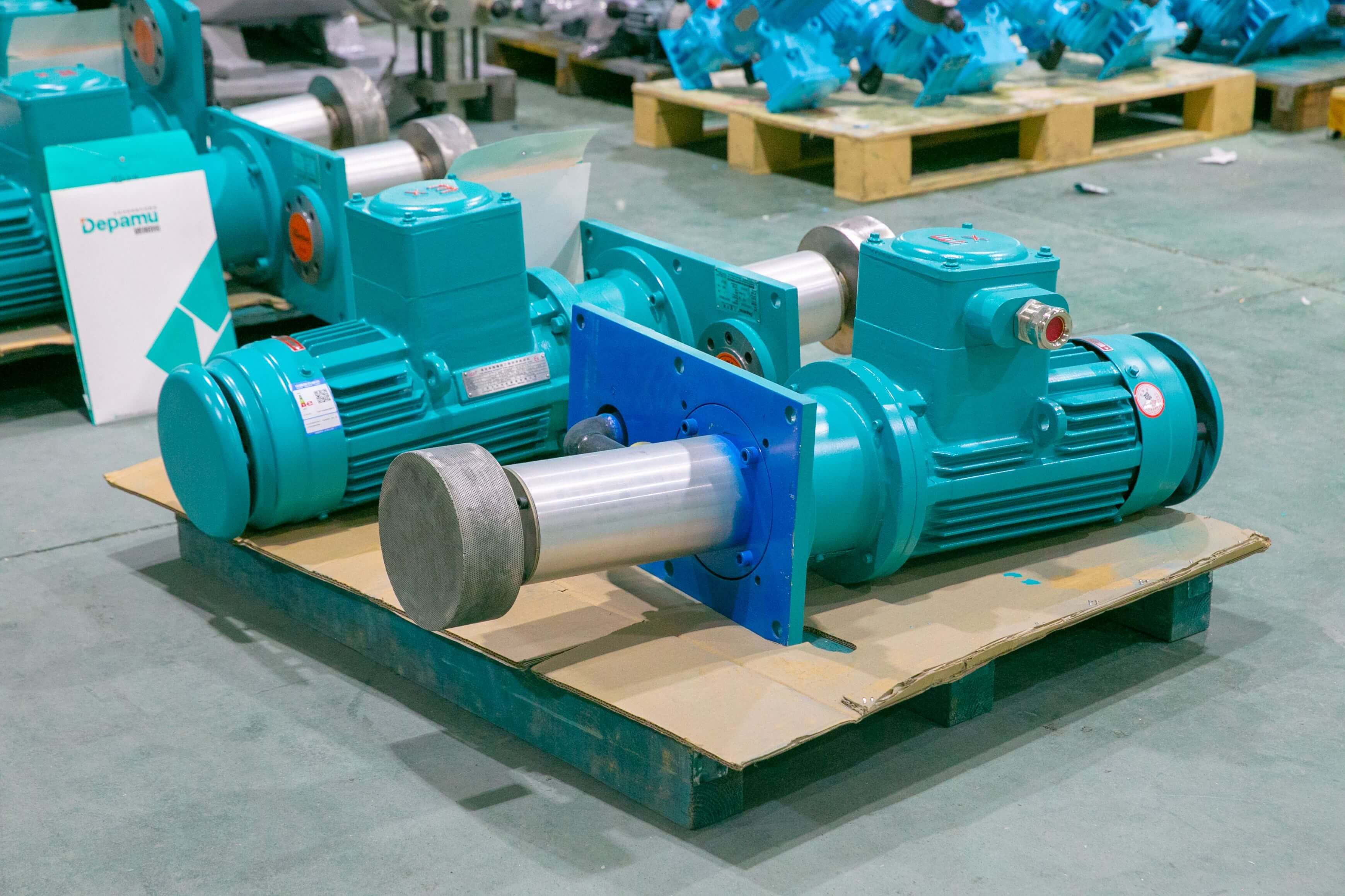
Full-text summary reference:Back to the search need for “three-screw pump reputation ranking” itself, its value lies in helping users quickly understand market participants and product line distribution, but its limitations are equally obvious: inconsistent evaluation criteria, untraceable sample sources, and missing operating condition assumptions, so it cannot replace engineering calculations. The evaluation path given in this article can be summarized into five dimensions: structural principle and rotor profile, performance parameters and operating condition matching, materials and sealing configuration, manufacturing consistency and inspection, and operation and maintenance and service response, accompanied by actionable steps such as medium list, flow and pressure ranges, viscosity classification, clearance correction, seal selection, cavitation verification, and maintenance ledger. For users, a more pragmatic approach is to extract the brand names from the ranking information, request technical data and descriptions of similar operating conditions item by item, check parameters against the STEP process in this article, and then verify with small-batch trial operation data. For suppliers, companies that can clearly provide medium suitability descriptions, parameter ranges, inspection records, and service response are often more verifiable than any ranking position. Depamu (Hangzhou) Pump Industry Technology Co., Ltd. has long focused on the R&D, production, and complete set services of high-end positive displacement pumps and fluid equipment, and has comprehensive capabilities from product R&D and design manufacturing to complete set delivery. It can provide standard products, non-standard products, and customized fluid solutions around medium characteristics, flow, pressure, temperature, and on-site process requirements. Its products have been applied in fields such as petroleum refining, chemical industry, oil and gas fields, nuclear industry, power, metallurgy, new energy, environmental water treatment, new materials, and food. To further understand product parameters and selection support, please visit the official website:www.depamufluid.com, and the final confirmation shall be completed by technical personnel in conjunction with the on-site operating conditions.
Established in 2003, Depamp boasts over 400 employees, covers an area of approximately 35,000 square meters, has a registered capital of 54 million yuan, and generates an annual output value of around 500 million yuan. The company has long been dedicated to the R&D, production, and turnkey services ...
No. 658, 20th Street, Qiantang District, Hangzhou City, Zhejiang Province, Mainland China