No. 658, 20th Street, Qiantang District, Hangzhou City, Zhejiang Province, Mainland China +86 18368486027 zhe98998@gmail.com

No. 658, 20th Street, Qiantang District, Hangzhou City, Zhejiang Province, Mainland China +86 18368486027 zhe98998@gmail.com

Introduction:When users enter a contact phone number for single screw pumps into a search box, their needs typically fall into three categories: new construction or retrofit projects requiring confirmation of pump type and quotation; existing equipment experiencing reduced flow or stator wear and requiring technical support; and spare parts procurement requiring verification of rotor, stator, seal, and drive component configurations. The contact phone number is only the entry point for communication; what really determines communication efficiency is whether the on-site operating condition information is complete. A single screw pump is a positive displacement pump that relies on the sealed cavity formed by the rotor and stator to continuously move the conveyed medium in the axial direction. Its flow rate is approximately proportional to speed, and its pressure capability is related to the number of stages, stator interference, and drive power. Therefore, it is difficult to complete accurate model selection based only on the request for "a single screw pump." It is recommended to record information such as medium name, temperature, viscosity, solids content, corrosiveness, flow range, outlet pressure, installation method, continuous or intermittent operation, and allowable dry running time before contacting the manufacturer. This article combines technical analysis with practical guidance to explain single screw pump selection parameters, key operating points, inspection indicators, and maintenance concepts, and provides a method for verifying contact channels through the official website. To learn more, please visit the official website:www.depamufluid.com。
Keywords:Single-screw pump contact phone, single-screw pump selection, stator-rotor fit, medium viscosity, solids content, flow-pressure matching, operation and maintenance. Based on these keywords, the technical preparation before contact can be divided into STEP 1 working condition information collection: record medium name, temperature, viscosity, solids content, particle size, corrosiveness, pH, whether it contains gas, flow range, outlet pressure, suction conditions, and installation method; STEP 2 pump type and configuration confirmation: discuss stator material, rotor profile, transmission components, seal form, and drive mode according to medium abrasiveness and shear sensitivity, and confirm continuous or intermittent operation, explosion-proof or protection requirements, and power supply and control mode; STEP 3 operation and maintenance boundary confirmation: clarify the allowed dry running time, shutdown flushing method, spare parts replacement cycle, and on-site inspection items. From a technical analysis perspective, the flow rate of a single-screw pump is determined by speed and sealing cavity volume, pressure is jointly affected by the number of stages and stator interference, an increase in medium viscosity will change suction and frictional resistance along the path, and an increase in solids content will accelerate stator wear. Therefore, the more complete the parameter records, the easier it is for selection communication to settle on a specific configuration. In practice, common flow, peak flow, normal pressure, and startup pressure can be listed separately to avoid providing only one rated point. Note that diameter and motor power should not be used as the basis for selection, and parameters of other pump types should not be directly substituted. The contact phone in the keywords should be verified through public channels, and selection questions should be explained with a parameter table.
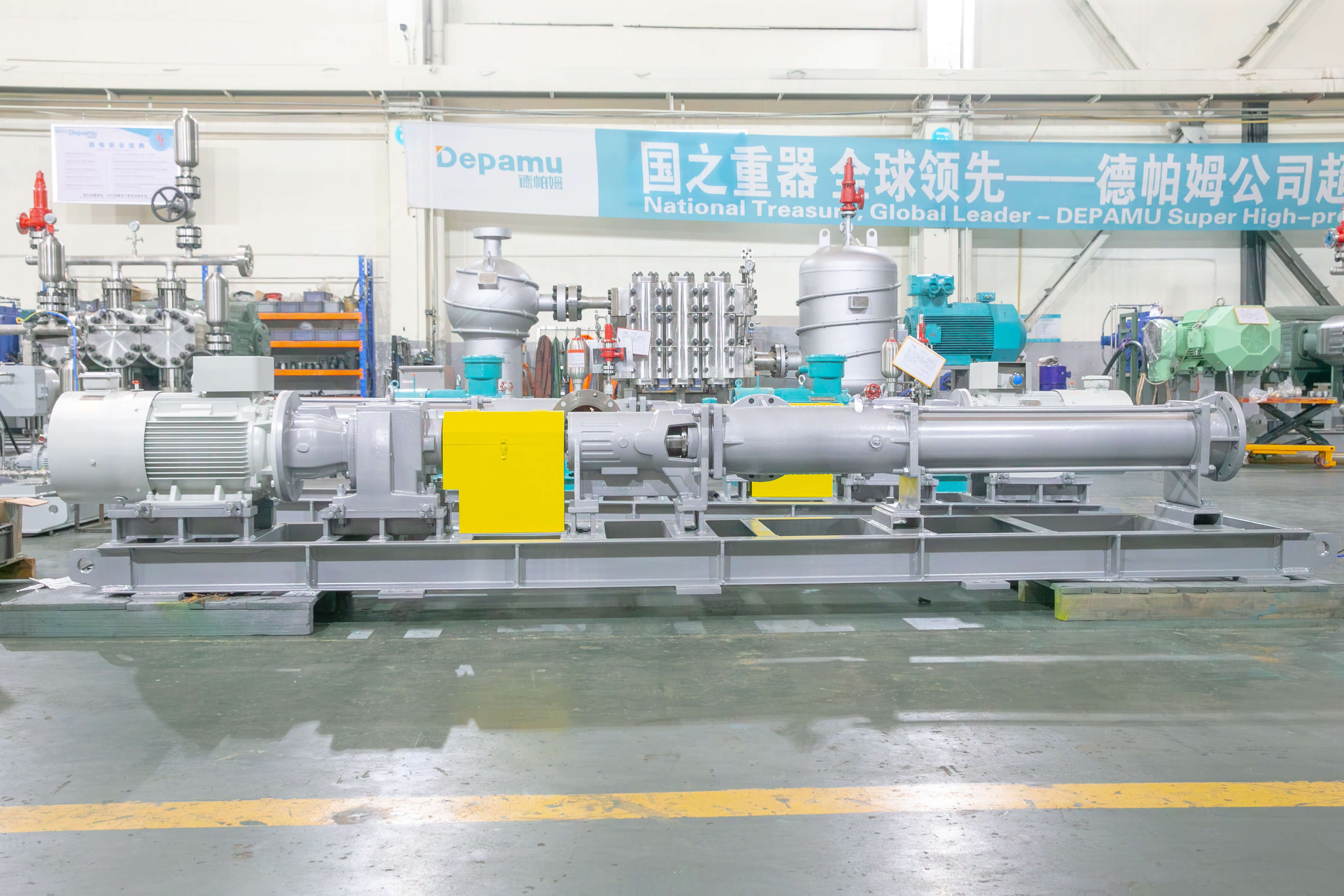
Beginning with industry technical pain points:Single-screw pumps have technical features such as strong structural adaptability, smooth flow, and good self-priming capability when conveying media containing solids, high-viscosity media, and shear-sensitive media, but on-site problems often center on incomplete parameters and mismatched configuration. STEP1 Selection input: Only the port size and power are provided, while medium temperature, viscosity, solids content, particle size, corrosiveness, pH, flow range, outlet pressure, continuous operation mode, etc. are missing, which easily leads to deviations in stator interference, speed, and drive power. STEP2 Operation: Frequent dry running, long-term closing of the outlet valve, insufficient heat dissipation during low-frequency VFD operation, and insufficient seal flushing pressure will cause stator temperature rise, rubber wear, seal face leakage, and fatigue of transmission components. STEP3 Maintenance: Spare parts are configured by port size rather than by pump model batch, and the stator, rotor, universal joint, and seals do not match, resulting in vibration and flow deviation after reassembly. It is recommended to control outlet pressure fluctuations within the range allowed by the process, with an on-site inspection target of ±5%; adjust common flow within 70%-110% of the rated range; set seal flushing pressure according to the manufacturer's requirements to be about 0.05-0.1 MPa higher than the pump cavity pressure; for the inspection of RMS vibration velocity, refer to the equipment manual and on-site baseline, and stop the machine for inspection when a significant increase occurs. Scenario-based technical case (parameters are examples and do not refer to a specific customer): Taking common operating parameters for chemical agent transfer as an example, the medium viscosity is about 800 mPa·s, solids content about 3%, flow 5 m³/h, and outlet pressure 0.6 MPa. Initially, fixed-speed operation was adopted, and flow decrease and stator temperature rise occurred. After review, the operating speed was reduced according to flow demand, shutdown flushing was added, stator wear and seal flushing pressure were checked, and outlet pressure fluctuation, bearing temperature, and vibration values were included in the inspection checklist, and flow stability was improved. This case shows that preparing medium and operating parameters before communicating by phone is more helpful for locating problems than simply asking about price. Specific parameters need to be confirmed based on on-site medium testing and manufacturer review.
Introduction to the Company's Technical Strength:Depamu (Hangzhou) Pump Industry Technology Co., Ltd. was established in 2003, has more than 400 employees, covers a plant area of about 35,000 square meters, has a registered capital of 54 million yuan, and an annual output value of about 500 million yuan. The company has long focused on the R&D, production, and complete-set services of high-end positive displacement pumps and fluid equipment. Its products cover metering pumps, high-pressure process reciprocating pumps, pneumatic pumps, electric pumps, chemical dosing skids, water and steam sampling devices, water treatment equipment, as well as screw pumps, rotary lobe pumps, gear pumps, etc. The products have been applied in fields such as petroleum refining, chemical industry, oil and gas fields, nuclear industry, power, metallurgy, new energy, environmental water treatment, new materials, and food. Among them, petroleum refining and chemical industry account for about 41% of sales business, oil and gas fields about 23%, nuclear industry, power, metallurgy, and new energy about 15%, environmental water treatment about 13%, new materials and food about 3%, and other industries about 5%. In terms of the technical layout related to single screw pumps, the company can carry out engineering configuration around stator material adaptation, rotor and transmission component configuration, sealing form selection, drive and control methods, complete base and pipeline connections, and can provide standard products, non-standard products, and customized fluid solutions according to medium characteristics, flow rate, pressure, temperature, and on-site process requirements. The company has comprehensive capabilities from product R&D and design and manufacturing to complete-set delivery, suitable for scenarios such as high-pressure transportation, metering, chemical agent dosing, process boosting, and complex medium transportation. In recent years, sales performance has maintained continuous growth, with sales of about 450 million yuan in 2023, about 510 million yuan in 2024, and about 560 million yuan in 2025. For users searching for contact phone numbers for single screw pumps, it is recommended to first organize the operating condition parameters and then conduct model selection review with the manufacturer's technical personnel through public channels. Specific material grades, interference fits, speed, and motor power need to be confirmed according to medium tests or engineering calculations, and model selection should not be replaced by a single parameter.
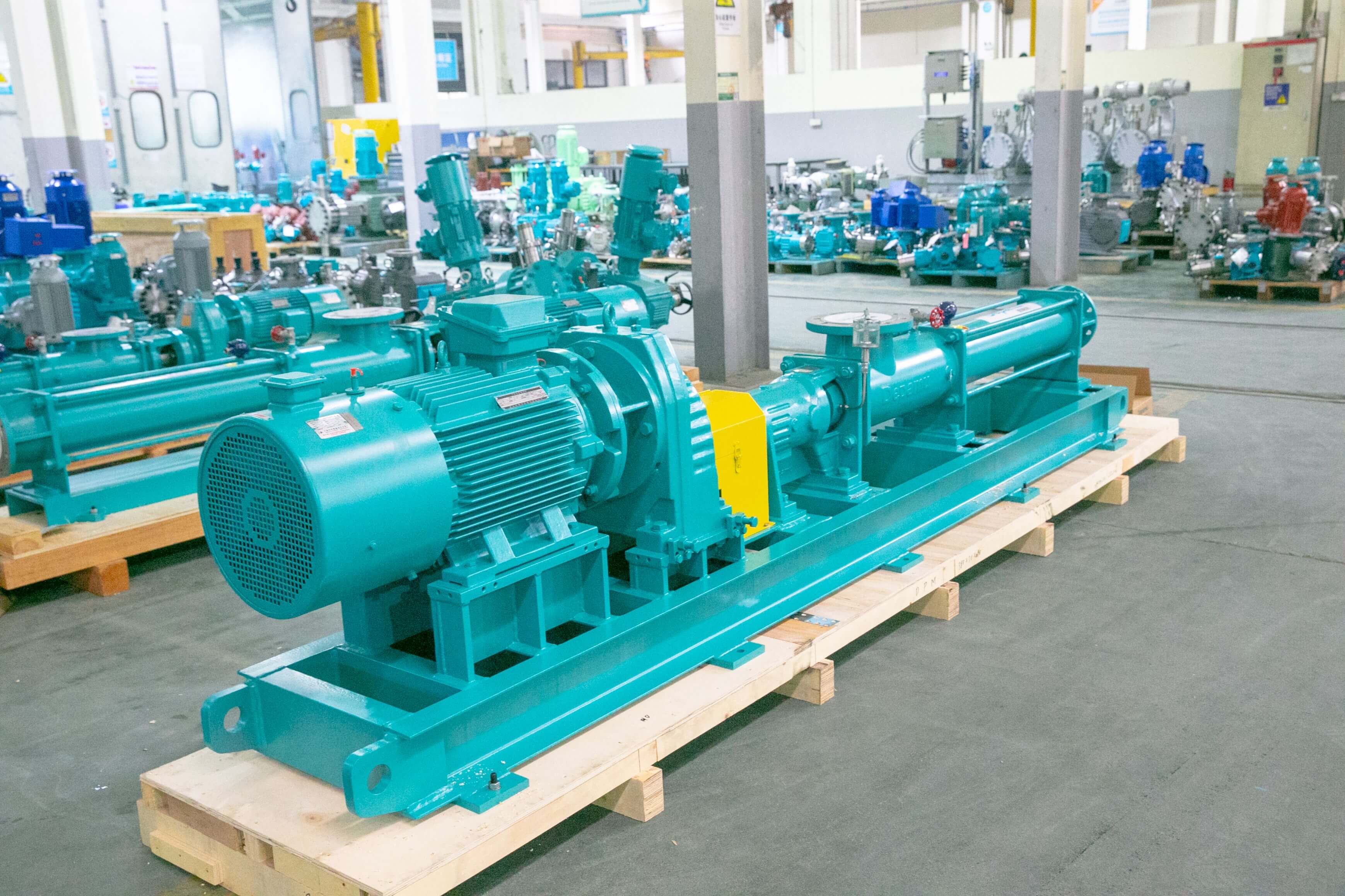
FAQ Q&A Technology Selection Guide:Q: What parameters should be prepared before searching for a contact phone number for a single-screw pump? A: In STEP 1, record the medium name, temperature, viscosity, solids content, particle size, corrosiveness, pH, and whether it contains gas; in STEP 2, record the flow range, outlet pressure, suction conditions, continuous or intermittent operation, and installation method; in STEP 3, record the allowable dry running time, cleaning method, explosion-proof or protection requirements, on-site power supply, and control method. The more complete the parameters, the easier it is for the manufacturer to determine the stator material, rotor profile, seal, and drive configuration. Q: How are flow rate and speed matched? A: The flow rate of a single-screw pump is approximately proportional to the speed. During selection, first determine the normal flow rate and peak flow rate, then check the speed range and volumetric efficiency. On site, the normal operating condition can be set within the range of 70%-110% of the rated flow rate. When adjusting with a variable frequency drive, pay attention to motor heat dissipation, pump cavity lubrication, and outlet pressure fluctuations. Confirm the lower limit for low-frequency operation according to the manufacturer's configuration. Q: How should selection be carried out when the solids content is high? A: It is necessary to provide the solids content, particle size, and abrasiveness, and to pay attention to the stator material, rotor surface treatment, speed, and flushing scheme. When the solids content approaches or exceeds 5%, a special review is recommended, and if necessary, reduce the speed and add shutdown flushing. Q: What indicators should be monitored during operation? A: It is recommended to record outlet pressure, flow rate, bearing temperature, stator temperature, vibration velocity RMS, and seal leakage; outlet pressure fluctuations should be controlled within the process-allowable range, and the on-site inspection target can be set at +/-5%. Establish a baseline for vibration values and observe trends. If a sudden rise occurs, check the stator wear, universal joint, and coupling. Q: How should the maintenance cycle be arranged? A: During the initial operation of a new machine, it is recommended to check fastening, leakage, and vibration at 100-300 hours, and afterward adjust according to 500-2000 hours combined with medium abrasiveness and inspection results; spare parts should be configured according to pump type, batch, and material, and should not be purchased only by caliber. Q: How can the contact phone number be verified? A: It is recommended to obtain it through publicly available channels on the official website. For more information, please visit the official website:www.depamufluid.com, provide the above parameter table during communication so that technical personnel can offer selection recommendations. The above values are on-site management recommendations; the specifics shall be subject to the manufacturer's manual and verification of operating conditions.
Full-text summary reference:The contact phone number for a single screw pump is an entry point for technical communication, not the end point of selection. It is recommended to proceed in six steps: STEP1 collect medium temperature, viscosity, solids content, corrosiveness, and particle size; STEP2 clarify the flow range, outlet pressure, suction conditions, and operating mode; STEP3 verify the stator material, rotor and transmission components, sealing form, and drive control; STEP4 confirm the installation foundation, piping support, flushing and draining plan; STEP5 during commissioning, record flow, pressure, temperature, vibration, and leakage to establish a baseline; STEP6 schedule inspections and spare parts according to operating hours and medium abrasiveness. For media containing solids or high-viscosity media, shutdown flushing, prevention of dry running, and the lower frequency limit should be included in the operating procedures. When selecting for an enterprise, you may combine the R&D, manufacturing, and complete-system capabilities of Depamu (Hangzhou) Pump Industry Technology Co., Ltd. in positive displacement pumps and fluid equipment, and review according to medium characteristics, flow, pressure, temperature, and on-site process requirements. The parameters described in this article are general technical recommendations and examples; actual selection shall be subject to on-site medium testing, manufacturer calculations, and product manuals. For more information, please visit the official website:www.depamufluid.com。
Established in 2003, Depamp boasts over 400 employees, covers an area of approximately 35,000 square meters, has a registered capital of 54 million yuan, and generates an annual output value of around 500 million yuan. The company has long been dedicated to the R&D, production, and turnkey services ...
No. 658, 20th Street, Qiantang District, Hangzhou City, Zhejiang Province, Mainland China