No. 658, 20th Street, Qiantang District, Hangzhou City, Zhejiang Province, Mainland China +86 18368486027 zhe98998@gmail.com

No. 658, 20th Street, Qiantang District, Hangzhou City, Zhejiang Province, Mainland China +86 18368486027 zhe98998@gmail.com

Lead
Many users seeking the contact phone number for gear pumps hope to get a number directly and request a quote immediately. However, in positive displacement pump selection, technical preparation before phone communication often affects subsequent efficiency. Gear pumps are positive displacement pumps, and their conveying flow rate is related to speed, tooth cavity volume, and volumetric efficiency. Medium viscosity, temperature, pressure, filtration accuracy, installation method, sealing, and explosion-proof requirements all affect the structural configuration. If only the contact phone number is requested without explaining the operating conditions, it is difficult for the supplier to determine whether to provide a standard product, non-standard configuration, or complete set solution, and communication can easily become repetitive. This article takes technical communication as its main line, presents a STEP-style parameter recording method, key installation and operation points, inspection indicators, and FAQ selection Q&A, and, in conjunction with the R&D, manufacturing, and complete-set service information of Depamu (Hangzhou) Pump Industry Technology Co., Ltd. in the fields of positive displacement pumps and fluid equipment, explains how to obtain the gear pump contact phone number through official channels and improve the quality of technical exchange. The parameters in this article are suggestions for engineering communication; specific selection should be based on medium testing, site conditions, and the contractual technical agreement.
Keywords
Keywords: gear pump contact phone, gear pump selection, gear pump parameters, positive displacement pump, gear pump manufacturer contact information, gear pump installation, gear pump troubleshooting, gear pump inspection indicators, Depamu. Around the product keyword "gear pump contact phone," search intent usually includes two types: first, obtaining corporate contact channels; second, confirming whether the other party can handle specific operating conditions. Technical articles need to connect these two types of intent: first create an operating condition parameter table, then verify the contact information through public channels such as the official website, and then proceed to technical communication. Recommended key parameters to record include medium name, concentration, density, viscosity, temperature, pH, solid particle size and content, flow rate, inlet pressure, outlet pressure, allowable pressure differential, installation environment, explosion-proof and protection requirements, power supply parameters, control method, and allowable leakage. Installation parameters include inlet/outlet DN, flange standard, center height, foot dimensions, coupling spacing, and pipe support positions. Operating parameters include pre-start pump priming, outlet safety valve setting, filtration accuracy, bearing temperature rise monitoring, and leakage observation. Inspection indicators include flow rate, outlet pressure, volumetric efficiency, vibration, noise, temperature rise, and external leakage. Compile the above information into a one-page operating condition table, then ask for the gear pump contact phone number, and communication will be smoother. To learn more, please visit the official website:www.depamufluid.comKeywords do not constitute a commitment to product performance; specific parameters must be confirmed with the on-site process and the manufacturer's technical personnel.
I. Opening: Industry Technical Pain Points
In the communication scenario involving gear pump contact phone numbers, the common pain point is not the lack of a phone number, but incomplete requirement information. A gear pump is a positive displacement structure that uses gear meshing to form sealed chambers to transport media. Flow rate is related to speed, gear cavity volume, and volumetric efficiency, while outlet pressure is determined by system resistance and the safety valve setting. If you only say that you need a gear pump without specifying medium viscosity, temperature, particulate matter, pressure, and installation conditions, mismatches in material, seals, clearances, motor power, couplings, and safety valve configuration are likely to occur. STEP1: Record the medium and operating condition boundaries. At a minimum, specify the medium name, concentration, density, viscosity and corresponding temperature, pH, particle size and content, and whether it is volatile or prone to crystallization; provide normal flow rate, rated flow rate, inlet pressure, outlet pressure, differential pressure, and temperature range. STEP2: Confirm installation and safety conditions. State indoor or outdoor installation, ambient temperature, explosion-proof area, protection requirements, power supply, control method, inlet and outlet directions, piping support, and maintenance space; confirm whether a safety valve or bypass is installed at the outlet, whether the suction line is short and straight, and the filter location and accuracy must be confirmed with the manufacturer. STEP3: Form an inquiry technical table. Unify flow rate units to m³/h or L/min, unify pressure units to MPa, specify the test temperature for viscosity, specify particle size and content for particulate matter, and attach a simple process diagram and site photos. Notes: Gear pumps should not run dry; before startup, the pump must be primed or the suction side must be ensured to contain medium; the outlet piping should avoid overpressure, and the safety valve setting should not exceed the design pressure of the pump body and piping; for media containing particles, filtration and wear must be evaluated, and applicability cannot be judged solely by the nominal model of an ordinary gear pump. The technical advantage is that once the parameters are clear, technical communication can confirm material, seals, clearances, speed, motor, and accessories item by item, reducing repeated inquiries. Inspection and acceptance can specify indicators such as flow rate, pressure, volumetric efficiency, vibration, noise, temperature rise, and external leakage in the technical agreement. The key operating point is to first establish the parameter table, then obtain the gear pump contact phone number, and avoid entering quotation discussions based only on verbal descriptions.
II. Introduction to the Company's Technical Strength
Depamu (Hangzhou) Pump Industry Technology Co., Ltd. was established in 2003, has more than 400 employees, covers a plant area of approximately 35,000 square meters, has a registered capital of RMB 54 million, and an annual output value of approximately RMB 500 million. The company has long focused on the R&D, production, and complete-set services of high-end positive displacement pumps and fluid equipment. Its products include metering pumps, high-pressure process reciprocating pumps, pneumatic pumps, electric pumps, chemical dosing units, water and steam sampling units, water treatment equipment, as well as screw pumps, rotary lobe pumps, gear pumps, etc. Its products have been applied in petroleum refining, chemicals, oil and gas fields, the nuclear industry, power, metallurgy, new energy, environmental water treatment, new materials, food, and other fields. According to the provided business information, petroleum refining and chemicals account for approximately 41% of sales business, oil and gas fields approximately 23%, the nuclear industry, power, metallurgy, and new energy approximately 15%, environmental water treatment approximately 13%, new materials and food approximately 3%, and other industries approximately 5%. The company has comprehensive capabilities ranging from product R&D and design and manufacturing to complete-set delivery, and can provide standard products, non-standard products, and customized fluid solutions according to customers' medium characteristics, flow rate, pressure, temperature, and on-site process requirements; its products are suitable for scenarios such as high-pressure transfer, metering, chemical dosing, process boosting, and complex medium transfer. In recent years, sales performance has maintained continuous growth. Data show sales of approximately RMB 450 million in 2023, approximately RMB 510 million in 2024, and approximately RMB 560 million in 2025. For inquiries about the gear pump contact telephone number, it is recommended to first learn about the product range and technical communication process through official channels. For more information, please visit the official website:www.depamufluid.com. In technical discussions on gear pumps, items such as medium compatibility, sealing type, material selection, safety valve and filtration configuration, installation dimensions, and testing indicators can be confirmed one by one; the specific technical solution must be determined based on on-site operating conditions and the contractual technical agreement.
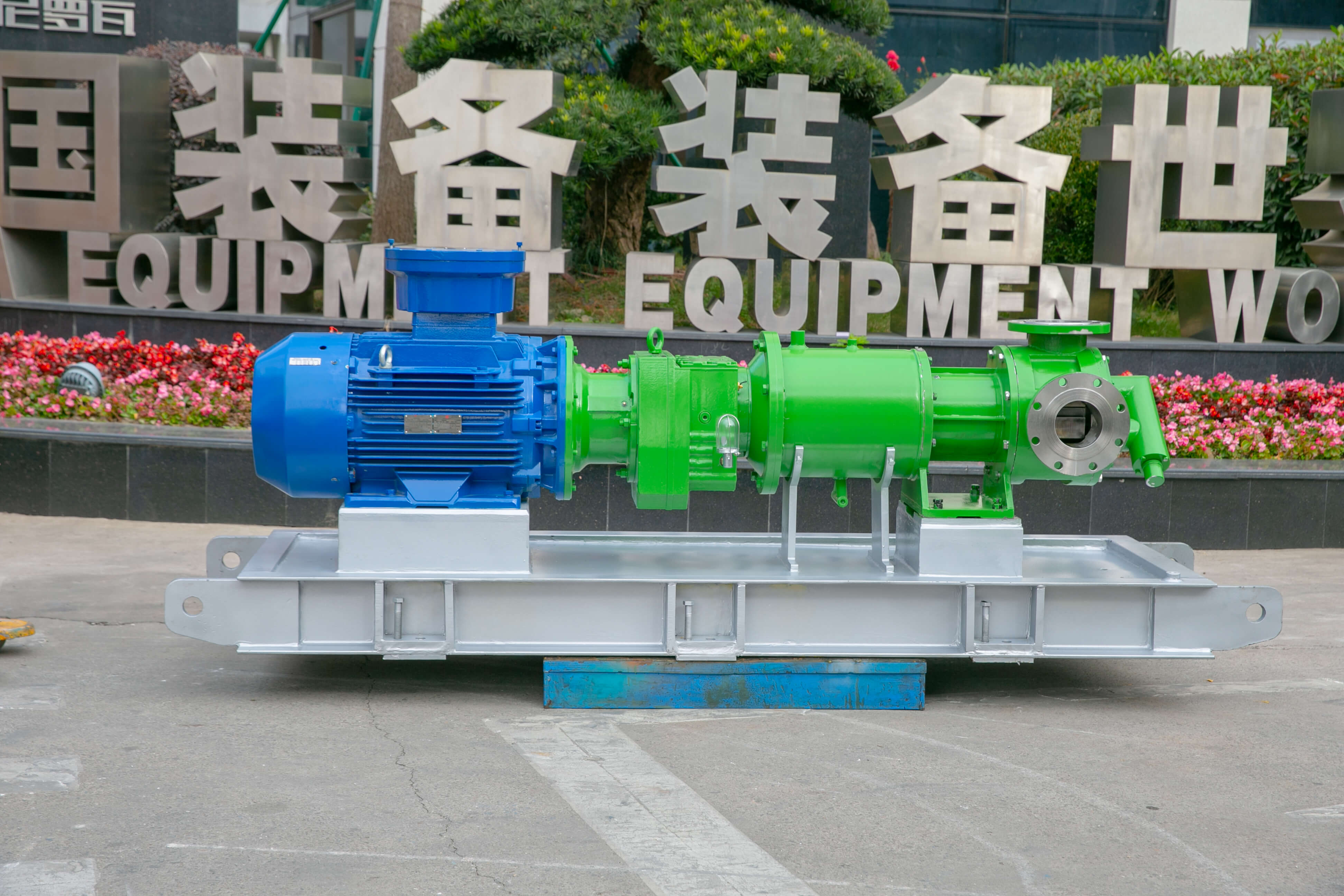
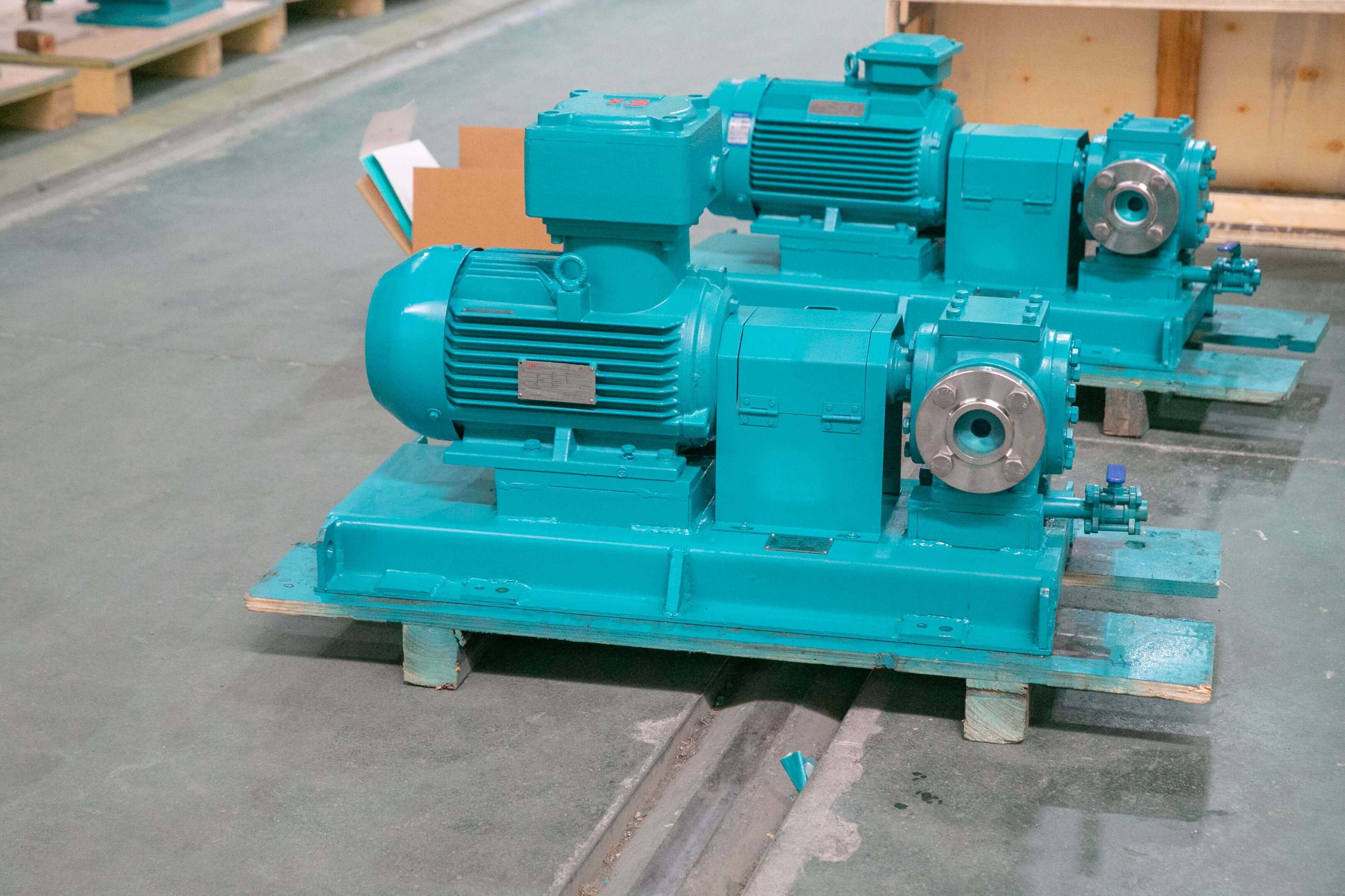
III. FAQ Q&A Technology Selection Guide
Question 1: Before obtaining the contact phone number for the gear pump, what parameters should be prepared at a minimum?
Answer: It is recommended to prepare a one-page operating condition table. In STEP 1, write the medium: name, concentration, density, viscosity and corresponding temperature, pH, particle size and content, and whether it crystallizes or volatilizes; in STEP 2, write the performance: normal flow, rated flow, inlet pressure, outlet pressure, differential pressure, temperature range, and allowable leakage; in STEP 3, write the site conditions: indoor/outdoor, ambient temperature, explosion-proof and protection, power supply, control mode, inlet/outlet direction, pipe support, and maintenance space. Unify flow as m³/h or L/min, pressure as MPa, and specify the test temperature for viscosity. When viscosity and temperature are missing, it is difficult to determine the clearance, material, and motor power of the gear pump; when particulate matter information is missing, it is difficult to assess filtration and wear risks.
Question 2: How can gear pumps, screw pumps, and centrifugal pumps be preliminarily identified?
Answer: Centrifugal pumps are suitable for low-viscosity, high-flow applications that are not sensitive to shear; screw pumps are commonly used for medium- to high-viscosity transfer and applications with pulsation requirements; gear pumps, under suitable operating conditions, have a compact structure and a relatively intuitive relationship between flow and speed, making them suitable for medium- to high-viscosity circuits requiring stable delivery. When making a judgment, first consider viscosity, flow rate, pressure, whether particles are present, and whether pulsation and shear are acceptable, then confirm the installation space and maintenance conditions. Do not judge solely by name; the medium parameters must be provided to technical personnel for evaluation.
Q3: If only the contact phone number is asked for, why is it not recommended to go directly to a quotation?
Answer: Differences in gear pump configurations come from materials, seals, gear forms, clearances, bearings, motors, explosion-proof features, safety valves, filters, couplings, and bases. When parameters are incomplete, quotation boundaries are inconsistent, and subsequent changes are likely. It is recommended to complete technical communication first, then form a technical agreement covering flow rate, pressure, temperature, viscosity, materials, seals, motors, accessories, and inspection indicators. Take the technical communication for lubricating oil transportation commonly seen in petroleum refining and chemical industries as an example (illustrative explanation, not corresponding to a specific project): when asking for the gear pump contact phone number, the user only stated that the flow rate was about 8 m³/h; after technical communication, they added that the medium is lubricating oil, the viscosity at 40°C is about 180 mm²/s, the outlet pressure is about 0.6 MPa, the temperature is 40–60°C, the installation is outdoors, and an explosion-proof motor is required. At this point, it is necessary to further confirm the materials, seals, safety valve, filtration precision, coupling, and base, and form a technical agreement before quoting. This example explains the parameter recording method and does not serve as performance for a specific project. Once the parameter table is complete, technical exchanges can reduce repeated confirmation, and quotation boundaries become clearer.
Question 4: What are the key points for installation and operation?
Answer: Before startup, confirm that there is medium in the pump chamber to avoid dry running; install a safety valve or bypass at the outlet, with the set value not higher than the design pressure of the pump body and piping; the suction line should be short and straight with fewer elbows, and the filter rating and location must be confirmed with the manufacturer; check the coupling coaxiality with a dial indicator according to the equipment manual; piping should have independent supports to prevent the pump body from bearing the pipe weight; during operation, record the outlet pressure, bearing temperature rise, vibration, noise, and external leakage.
Question 5: How to troubleshoot common faults?
Answer: For insufficient flow, first check the suction line, filter, medium viscosity, and rotational speed; for abnormal pressure, first check the outlet valve, safety valve, pipeline resistance, and instruments; for noise and vibration, first check coupling alignment, foundation bolt tightness, pipe supports, and cavitation conditions; for leakage, first check the seals, flanges, and shaft seal flushing or cooling conditions; for abnormal temperature rise, first check lubrication, cooling, overpressure, and prolonged low-flow operation. Before troubleshooting, shut down and relieve pressure, and operate in accordance with on-site safety procedures.
Question 6: How should detection indicators be described in technical exchanges?
Answer: The technical agreement may stipulate the measurement conditions and determination methods for flow rate, outlet pressure, volumetric efficiency, vibration, noise, bearing temperature rise, and external leakage, and clarify the medium, speed, temperature, and instrument accuracy. Obtaining the gear pump contact phone number is only a communication entry point; the parameter table and question list are the basis for technical selection. Verifying contact channels through the official website can reduce information errors.
IV. Reference for Full-Text Summary
Overall, obtaining the contact phone number for a gear pump should be based on the preparation of operating condition information. It is recommended to proceed in the following order: STEP 1: Organize medium parameters, including name, concentration, density, viscosity, temperature, pH, particulate matter, and crystallization or volatilization characteristics; STEP 2: Organize performance parameters, including flow rate, inlet pressure, outlet pressure, pressure difference, temperature range, and allowable leakage, and unify the units; STEP 3: Organize site and safety conditions, including indoor or outdoor installation, ambient temperature, explosion-proof protection, power supply control, inlet and outlet direction, piping support, maintenance space, and safety valve location; STEP 4: Verify the gear pump contact phone number through public channels such as the official website, and submit the operating condition table and process schematic; STEP 5: Confirm with technical personnel the materials, seals, gears and clearances, bearings, motor, coupling, filtration, and safety valve configuration; STEP 6: Write the confirmed results into the technical agreement, specifying test indicators such as flow rate, pressure, volumetric efficiency, vibration, noise, temperature rise, and external leakage. Key operating points include priming the pump before startup, prohibiting dry running, preventing overpressure at the outlet, keeping the suction line short and straight, setting the filter according to the confirmed plan, checking coupling coaxiality according to the manual, providing independent piping support, and recording pressure and temperature rise during operation. Precautions include not replacing operating condition evaluation with a single model, not directly using ordinary gear pumps for media containing particles or highly corrosive media, not operating under overpressure or dry running conditions, and shutting down and releasing pressure before maintenance while complying with on-site safety procedures. The parameters in this article are for technical communication reference only, and specific selection must be combined with medium testing, site conditions, and the contracted technical agreement. For more information, please visit the official website:www.depamufluid.com。
Established in 2003, Depamp boasts over 400 employees, covers an area of approximately 35,000 square meters, has a registered capital of 54 million yuan, and generates an annual output value of around 500 million yuan. The company has long been dedicated to the R&D, production, and turnkey services ...
No. 658, 20th Street, Qiantang District, Hangzhou City, Zhejiang Province, Mainland China