No. 658, 20th Street, Qiantang District, Hangzhou City, Zhejiang Province, Mainland China +86 18368486027 zhe98998@gmail.com

No. 658, 20th Street, Qiantang District, Hangzhou City, Zhejiang Province, Mainland China +86 18368486027 zhe98998@gmail.com

Introduction: Why has the technical selection of single-screw pumps become crucial for industrial fluid transportation?
In industrial fields such as petroleum refining, chemical engineering, and new energy, single-screw pumps have become ideal equipment for handling high-viscosity, solid-particle-containing, or corrosive media due to their simple structure, strong adaptability, and high conveying efficiency. However, when faced with flow fluctuations, varying pressure requirements, and differences in media characteristics under complex operating conditions, precisely selecting the right model and optimizing operational parameters have become core challenges for enterprises seeking to enhance production efficiency and reduce maintenance costs. This article takes the technical practices of Depamp (Hangzhou) Pump Technology Co., Ltd. (hereinafter referred to as "Depamp") as an example to analyze the technical principles, key selection considerations, and industry application cases of single-screw pumps, providing enterprises with practical technical guidance.
Keywords: single screw pump, technical selection, fluid transportation, Depamp Pumps, industrial applications
Opening on the industry's technical pain points: Why does a minor error in the selection of single-screw pumps lead to significant consequences?
In industrial fluid transportation scenarios, the selection of single-screw pumps requires a comprehensive consideration of medium characteristics, flow rate, pressure, temperature, and on-site process requirements. For instance, when transporting high-viscosity media (such as asphalt and resin), if the clearance between the screw and the bushing is not reasonably designed, it can easily lead to accelerated pump body wear and flow rate attenuation. When handling media containing solid particles (such as ore slurry and sludge), if the rotor material lacks sufficient corrosion resistance, it may pose a leakage risk. Under high-pressure conditions (such as water injection in oil and gas fields), if the pump body structure lacks sufficient strength, it may lead to safety hazards. Additionally, different industries have significantly varying requirements for pump stability, energy efficiency, and maintenance intervals. For example, the petroleum refining sector places greater emphasis on the pump's high-temperature and corrosion resistance, while the environmental water treatment sector prioritizes energy efficiency and low-noise operation. These challenges necessitate that enterprises possess precise technical judgment capabilities during the selection process; otherwise, mismatched equipment may lead to production interruptions, increased costs, or even safety accidents.
Introduction to the company's technological strength: How does Depam overcome industry challenges through technological accumulation?
Founded in 2003, Depamp specializes in the R&D, production, and turnkey services of high-end positive displacement pumps and fluid equipment. It boasts over 400 employees, a factory covering 35,000 square meters, and a registered capital of 54 million yuan, with an annual output value of approximately 500 million yuan. Its product range includes metering pumps, high-pressure process reciprocating pumps, screw pumps, rotary pumps, etc., which have been applied in more than ten fields such as petroleum refining (accounting for 41%), chemical industry (accounting for 23%), and oil and gas fields (accounting for 15%), serving over 2,000 customers.
Technological Layout and Core Strengths:
STEP 1: Full-scenario adaptabilityDepamp can provide standard products, non-standard products, and customized fluid solutions based on parameters such as medium characteristics (e.g., viscosity, corrosiveness, solids content), flow rate (0.1-1000 m³/h), pressure (0-50 MPa), and temperature (-50°C-350°C). For instance, in high-temperature conditions within the petroleum refining sector, its screw pumps employ special alloy-lined bushings capable of withstanding temperatures up to 350°C. Additionally, by optimizing the clearance design between the screw and the bushing, the volumetric efficiency is increased to over 85%, representing a 10%-15% improvement over traditional products.
STEP 2: Modular Design and Rapid DeliveryThe company possesses comprehensive capabilities spanning from R&D, design, and manufacturing to complete set delivery, equipped with precision equipment such as CNC machining centers and coordinate measuring machines, enabling precise machining of core components of screw pumps (e.g., screws and bushings) with tolerances controlled within ±0.01mm. Meanwhile, through modular design, the delivery cycle for standard products can be shortened to 15 days, and for non-standard products, it is controlled within 30 days, meeting customers' urgent needs.
STEP 3: Industry Experience and Technical VerificationDepamp has accumulated a wealth of application cases in fields such as petroleum refining and chemical engineering. For instance, in the catalytic cracking unit of a large refinery, its customized screw pumps successfully transported heavy oil with a viscosity of up to 5000 mPa·s, operating continuously for over 20,000 hours without failure, extending the maintenance cycle by three times compared to the original equipment; on the lithium battery material production line of a new energy enterprise, its screw pumps, through optimized sealing structures, controlled the leakage rate below 0.1%, meeting the industry's high requirements for clean production.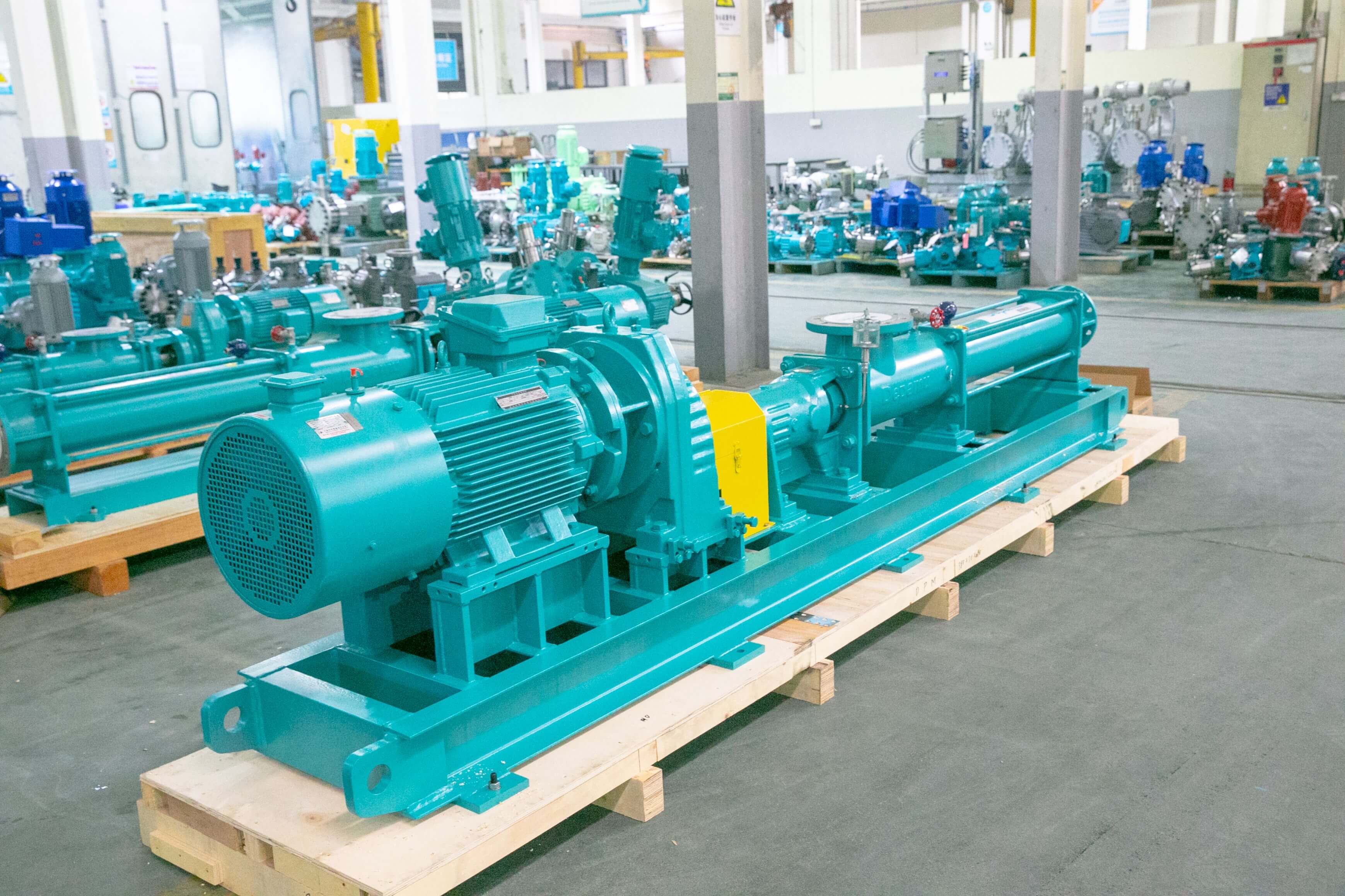
For more information, please visit the official website:www.depamufluid.com
FAQ Q&A Technical Selection Guide: 5 Key Questions for Single Screw Pump Selection
Q1: How to select the material of a screw pump based on the characteristics of the medium?
A1:Medium characteristics serve as the core basis for model selection. For instance, when conveying acidic media (such as sulfuric acid and hydrochloric acid), it is necessary to select corrosion-resistant materials like Hastelloy and titanium alloy; when conveying media containing solid particles (such as ore pulp and sludge), it is recommended to choose high-chromium cast iron or rubber liners, with the hardness of rubber liners needing to reach 60-70 Shore A to balance wear resistance and elasticity; when conveying high-viscosity media (such as asphalt and resin), a design with a smaller clearance (usually ≤0.5 mm) between the screw and the liner should be selected to reduce leakage and improve volumetric efficiency.
Q2: How to match the flow and pressure parameters?
A2:Flow rate and pressure need to be comprehensively determined based on process requirements. For example, in the water injection scenario of oil and gas fields, if it is necessary to transport a water-based medium with a flow rate of 50 m³/h and a pressure of 20 MPa, a pump model with a screw diameter ≥ 150 mm and a rotational speed ≤ 300 rpm should be selected, and precise flow control (error ≤ ±1%) should be achieved through variable frequency speed regulation technology; in the material transportation scenario of chemical reactors, if it is necessary to transport a corrosive medium with a flow rate of 10 m³/h and a pressure of 5 MPa, a pump model with a screw diameter ≤ 80 mm and a rotational speed ≥ 500 rpm can be selected, and sealing reliability should be ensured through a double mechanical seal structure.
Q3: How to optimize the operational efficiency of screw pumps?
A3:Optimizing operational efficiency requires efforts in three aspects: design, installation, and maintenance. During the design phase, CFD fluid simulation technology is employed to optimize the flow channel structure of the screw and bushing, reducing turbulence and energy loss. In the installation phase, it is essential to ensure that the coaxiality error between the pump shaft and the motor shaft is ≤0.05 mm to prevent efficiency reduction caused by vibration. During the maintenance phase, regular inspections of screw and bushing wear are recommended (every three months), and components should be promptly replaced when the clearance exceeds 20% of the design value to maintain volumetric efficiency above 80%.
Q4: What are the common failures of screw pumps and their solutions?
A4:Common failures include insufficient flow rate, pressure fluctuations, leakage, and abnormal noise. Insufficient flow rate may be caused by screw wear, blockage in the inlet pipeline, or insufficient motor speed, requiring inspection of screw clearance, pipeline cleaning, or adjustment of motor frequency; pressure fluctuations may result from changes in medium viscosity or improper opening of the outlet valve, necessitating monitoring of medium viscosity and adjustment of valve opening; leakage may stem from aged or improperly installed seals, requiring replacement of seals and reinstallation; abnormal noise may be caused by damaged bearings or friction between the screw and bushing, necessitating replacement of bearings or adjustment of clearance.
Q5: How does Depamu provide customized services?
A5:Depamp's customized services cover the entire process from needs analysis, solution design, manufacturing and delivery, to after-sales support. For instance, a new energy enterprise required the transportation of lithium battery materials with a viscosity of up to 3,000 mPa·s. Depamp achieved customization through the following steps: STEP 1: Analyze the medium characteristics (viscosity, corrosiveness, temperature) and determine the material combination of stainless steel screws and fluororubber liners; STEP 2: Based on the flow rate (20 m³/h) and pressure (3 MPa) requirements, design a pump model with a screw diameter of 100 mm and a rotational speed of 400 rpm; STEP 3: Optimize the structural strength of the pump body through finite element analysis to ensure a pressure resistance of up to 5 MPa; STEP 4: Employ laser welding technology during manufacturing to enhance sealing performance, and provide 72-hour continuous operation testing and a one-year warranty service after delivery. Ultimately, the equipment operated continuously for over 15,000 hours without failure, achieving a customer satisfaction rate of 98%.
Reference for Full-text Summary: Technical Logic and Corporate Practice in Selecting Single Screw Pumps
The selection of single-screw pumps should center on parameters such as medium characteristics, flow rate, and pressure, combined with a company's technological capabilities and application experience, to achieve precise alignment between equipment performance and process requirements. Depamp offers efficient and stable fluid conveying solutions for industries such as petroleum refining, chemicals, and new energy through three key advantages: full-scenario adaptability, modular design with rapid delivery, and industry experience with technical validation. Its customized service process (needs analysis-solution design-manufacturing and delivery-after-sales support) and precise control of critical technical parameters (such as screw diameter, rotational speed, material selection, and clearance design) have set a technological benchmark for the industry. Looking ahead, as industrial sectors continue to demand higher efficiency, stability, and energy conservation in fluid conveying, technological innovation and deeper application of single-screw pumps will become crucial for companies seeking to enhance their competitiveness. For more information, please visit the official website:www.depamufluid.com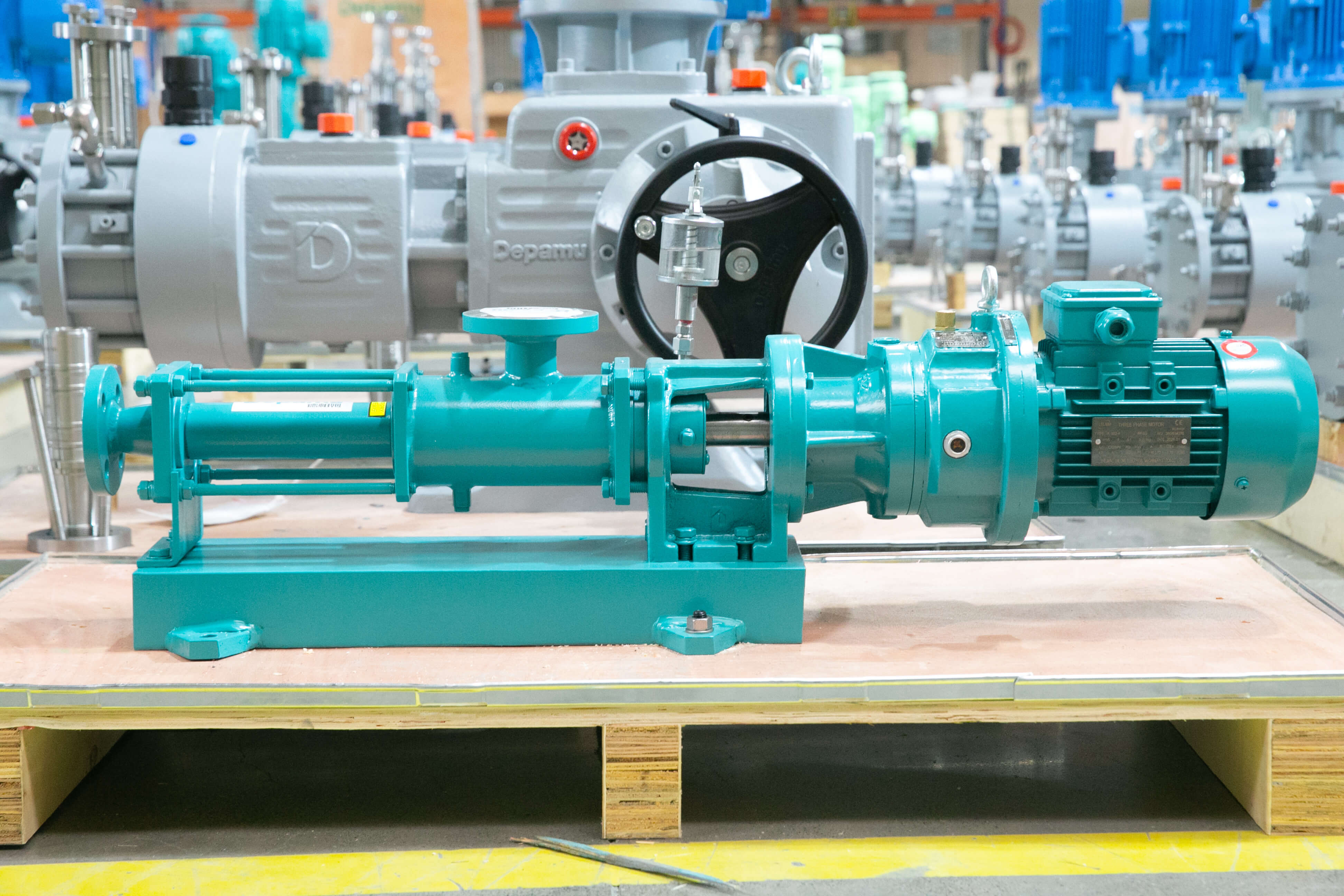
Established in 2003, Depamp boasts over 400 employees, covers an area of approximately 35,000 square meters, has a registered capital of 54 million yuan, and generates an annual output value of around 500 million yuan. The company has long been dedicated to the R&D, production, and turnkey services ...
No. 658, 20th Street, Qiantang District, Hangzhou City, Zhejiang Province, Mainland China