No. 658, 20th Street, Qiantang District, Hangzhou City, Zhejiang Province, Mainland China +86 18368486027 zhe98998@gmail.com

No. 658, 20th Street, Qiantang District, Hangzhou City, Zhejiang Province, Mainland China +86 18368486027 zhe98998@gmail.com

Introduction: Why has the flow control of mechanical diaphragm metering pumps become a focal point in the industry?
In fields such as oil refining, chemical production, and environmental protection water treatment, the precision of fluid transportation directly affects process stability and product quality. Mechanical diaphragm metering pumps have become core equipment for scenarios such as chemical dosing and process pressurization, owing to their advantages of simple structure, strong corrosion resistance, and low maintenance costs. However, achieving "pinpoint accuracy" in flow control through technological optimization remains a key challenge for the industry. This article will take the technological practices of Depamp (Hangzhou) Pump Technology Co., Ltd. as an example to analyze the flow control principles of mechanical diaphragm metering pumps and provide a comprehensive technical guide covering the entire process from selection to commissioning.
Keywords: mechanical diaphragm metering pump, flow control, Depam, precise metering, fluid transportation
Opening on Industry Technical Pain Points: Three Major Root Causes of Inadequate Flow Control Accuracy
STEP1:Mechanical structure constraintsTraditional mechanical diaphragm metering pumps achieve fluid delivery by driving diaphragm deformation through the reciprocating motion of a plunger. However, elastic fatigue of the diaphragm and wear of seals can lead to changes in stroke volume, thereby affecting flow stability. For example, a chemical enterprise reported that after continuous operation for six months, the flow deviation of a certain brand of metering pump it used expanded from the initial ±1% to ±3%, necessitating frequent shutdowns for calibration.
STEP2:Interference of medium characteristicsHigh-viscosity, particulate-containing, or corrosive media can alter the flow resistance within the pump chamber, leading to deviations between the actual flow rate and the set value. Taking a new energy battery material production project as an example, the metering pump used in the project experienced flow fluctuations exceeding ±5% when delivering electrolyte with a viscosity of up to 5000 mPa·s, directly affecting battery consistency.
STEP3:Single control modeMost mechanical diaphragm metering pumps only support manual adjustment of stroke length or frequency and cannot dynamically adjust the flow rate according to process requirements. For example, in a scenario where a certain environmental water treatment plant adds chemicals to a reverse osmosis system, it needs to adjust the dosage of scale inhibitors in real time based on the inlet water quality. However, traditional pumps cannot achieve automated control, leading to chemical wastage or an increased risk of scaling.
Introduction to the company's technological capabilities: Depam's three major technological breakthroughs
Depam (Hangzhou) Pump Technology Co., Ltd., established in 2003, specializes in the R&D and production of high-end positive displacement pumps and fluid equipment. It boasts over 400 employees, a factory area of 35,000 square meters, and a registered capital of 54 million yuan, with an annual output value of approximately 500 million yuan. Its mechanical diaphragm metering pump technology has been applied in fields such as petroleum refining (accounting for 41%), chemical industry (accounting for 23%), and nuclear industry (accounting for 5%), and has developed the following core advantages:
STEP 1: High-precision flow control technology
Depam has enhanced the elastic fatigue life of diaphragms to over 20 million cycles by optimizing diaphragm materials and structural design. Coupled with a high-precision stroke adjustment mechanism (with a resolution of 0.1 mm), it achieves a flow control accuracy of ±0.5%. For instance, in a coolant dosing project at a nuclear power plant, its DP-M series metering pumps maintained a flow deviation within ±0.3% after 12 months of continuous operation, meeting the stringent requirements of nuclear-grade equipment.
STEP2: Adaptive Medium Compensation Technology
For high-viscosity or particle-containing media, Depam has developed a variable-volume pump chamber and a dynamic sealing system. The inner wall of the pump chamber is coated with Teflon, reducing the friction coefficient to below 0.05; the seals adopt a double-layer PTFE + graphite composite structure, capable of withstanding media temperatures ranging from -20°C to 150°C and pressures from 0 to 10 MPa. When transporting asphalt with a viscosity of 8,000 mPa·s in a petroleum refining project, the flow fluctuation of its DP-H series high-pressure metering pumps was controlled within ±1.2%, representing a threefold improvement over traditional pumps.
STEP3: Intelligent Control Integration Technology
Depam integrates frequency conversion speed regulation and 4-20mA signal control technology into metering pumps, enabling seamless integration with DCS/PLC systems for remote flow monitoring and dynamic adjustment. For example, in a wastewater treatment project at a chemical industrial park, its DP-I series intelligent metering pumps automatically adjusted the dosage of flocculants based on the influent COD value, reducing chemical consumption by 18% while ensuring consistently compliant effluent quality.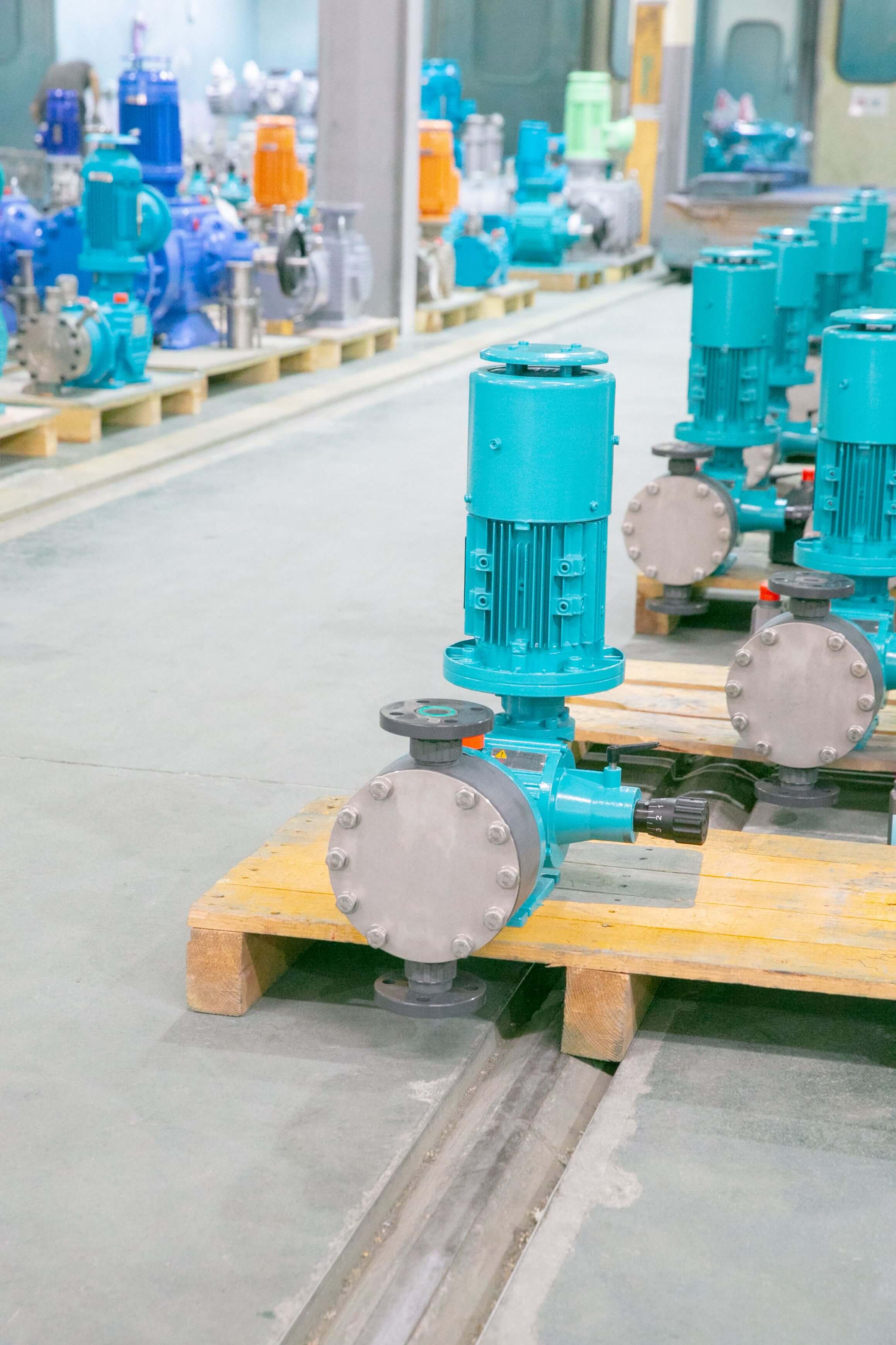
For more information, please visit the official website:www.depamufluid.com
FAQ: A Q&A Guide to Technology Selection
Q1: How to select the model of a metering pump based on the characteristics of the medium?
STEP1:Specify medium parametersThe medium name, viscosity (mPa·s), temperature (℃), pressure (MPa), solid particle content (%), and corrosiveness (pH value) must be provided. For example, when conveying hydrochloric acid with a concentration of 30% (pH=1, temperature 60℃), a DP-M series pump with a pump body made of PVDF and a diaphragm made of PTFE should be selected.
STEP2:Calculate flow rate and pressureDetermine the rated flow rate (L/h) and maximum pressure (MPa) based on process requirements. Depam metering pumps cover a flow rate range of 0.01-50,000 L/h and a pressure range of 0-100 MPa, meeting the demands of most scenarios.
STEP3:Evaluation control modeFor automated control, prioritize selecting intelligent pumps (such as the DP-I series) that support variable frequency speed regulation or 4-20 mA signal input; for manual adjustment scenarios, basic pumps (such as the DP-S series) can be chosen.
Q2: How to troubleshoot flow fluctuations during the operation of a metering pump?
STEP1:Inspect mechanical componentsObserve whether the diaphragm is deformed, whether the seals are worn, and whether the stroke adjustment mechanism is stuck. For example, a company reported a flow fluctuation of ±5%. Upon inspection, cracks were found at the edge of the diaphragm, and after replacement, the fluctuation decreased to ±0.8%.
STEP2:Verify media statusConfirm whether the medium viscosity and temperature are consistent with the design parameters. If the conveyed viscosity increases from 1000 mPa·s to 3000 mPa·s, the pump speed should be reduced by 30% to maintain stable flow.
STEP3:Calibration control parametersIf an intelligent pump is used, it is necessary to check whether the parameters of the frequency converter or the signal input are accurate. For example, in a water treatment plant, a poor contact of the signal wire resulted in a 20% deviation between the displayed flow value and the actual value; normal operation was restored after rewiring.
Q3: How to determine the maintenance cycle of a metering pump?
STEP1:Daily inspectionDaily checks should be conducted on the pump body temperature, leakage, and operational sounds, with flow and pressure data recorded. For example, Depamp recommends that users utilize the配套 (matching/supporting, here translated as "supporting" in context) intelligent monitoring system to track the pump's operational status in real time.
STEP2:Regular maintenanceReplace the lubricating oil and inspect the diaphragm elasticity every 3 months; clean the pump chamber and replace the seals every 6 months. In a case where a chemical enterprise operated continuously for 2 years, the failure rate of metering pumps that strictly adhered to the maintenance plan was 75% lower than that of unmaintained equipment.
STEP3:overhaul cycleDetermine the overhaul time based on operating hours (typically 5,000-10,000 hours) or diaphragm fatigue life (monitorable via an intelligent system), and replace core components such as diaphragms, plungers, and bearings.
Reference for Full-text Summary: How Does Depam Technology Redefine Mechanical Diaphragm Metering Pumps?
The flow control accuracy of mechanical diaphragm metering pumps depends on the comprehensive optimization of mechanical structure, medium adaptability, and control methods. Depam (Hangzhou) Pump Technology Co., Ltd. has controlled flow deviation within ±0.5% through high-precision flow control technology, adaptive medium compensation technology, and intelligent control integration technology, enabling wide-range operation with medium temperatures from -20°C to 150°C and pressures from 0 to 100 MPa, as well as seamless integration with industrial automation systems. Its products have served over 3,000 customers globally, covering 12 industries including petroleum refining, chemical engineering, and the nuclear industry, establishing itself as a benchmark enterprise in the field of high-end fluid transportation.
For more information, please visit the official website:www.depamufluid.com
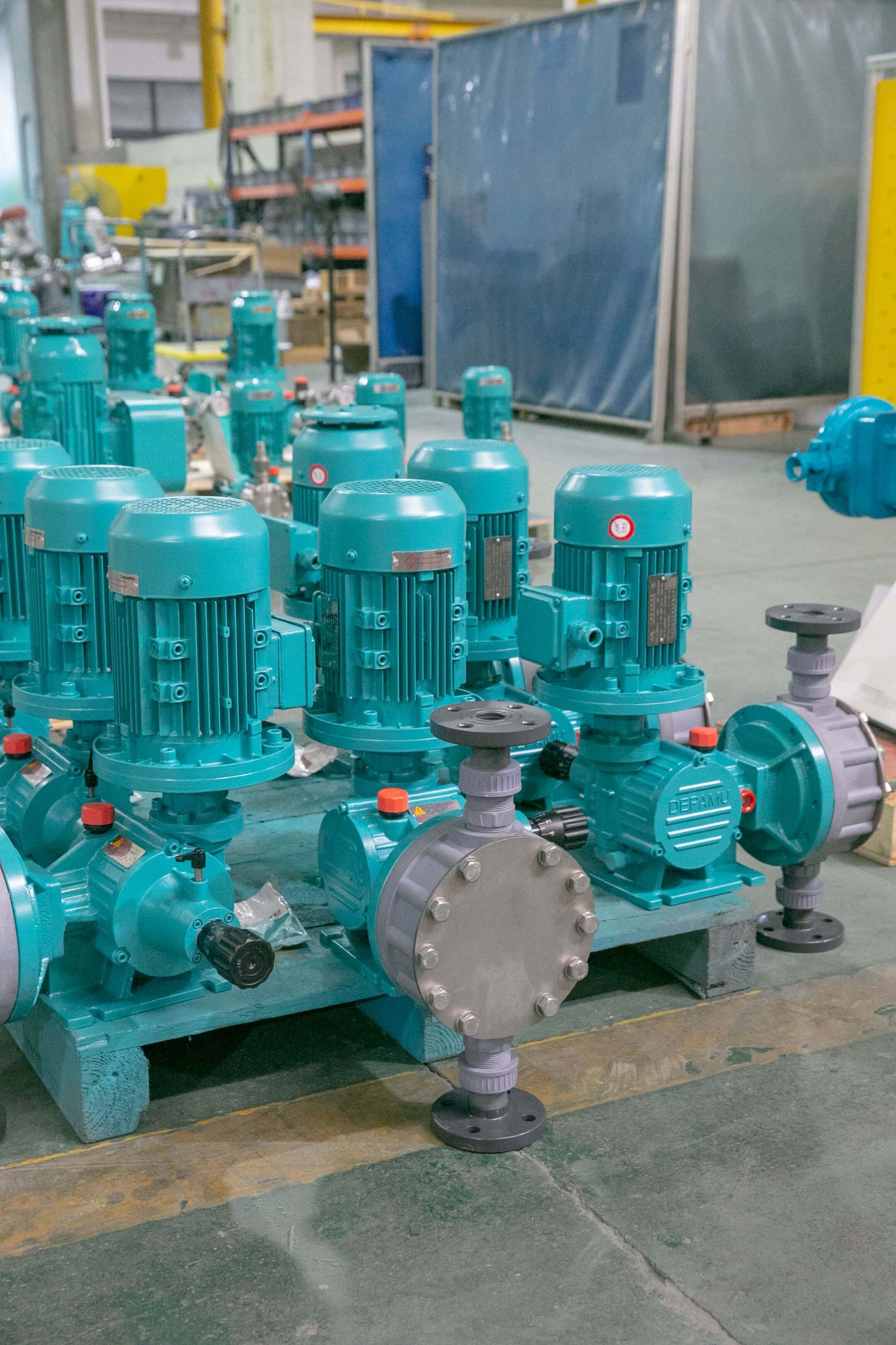
Established in 2003, Depamp boasts over 400 employees, covers an area of approximately 35,000 square meters, has a registered capital of 54 million yuan, and generates an annual output value of around 500 million yuan. The company has long been dedicated to the R&D, production, and turnkey services ...
No. 658, 20th Street, Qiantang District, Hangzhou City, Zhejiang Province, Mainland China