No. 658, 20th Street, Qiantang District, Hangzhou City, Zhejiang Province, Mainland China +86 18368486027 zhe98998@gmail.com

No. 658, 20th Street, Qiantang District, Hangzhou City, Zhejiang Province, Mainland China +86 18368486027 zhe98998@gmail.com

Introduction
As an important branch of positive displacement pumps, metal rotor pumps are widely used in fields such as petroleum refining, chemical engineering, and environmental water treatment due to their characteristics of high efficiency, stability, and corrosion resistance. However, how to select an appropriate rotor pump based on medium properties and flow/pressure requirements? How to achieve long-term stable operation through technological optimization? Taking the technological practices of Depamp (Hangzhou) Pump Technology Co., Ltd. (hereinafter referred to as "Depamp") as an example, this article systematically expounds on the technological core and application value of metal rotor pumps, covering principle analysis, key selection considerations, and practical cases.For more information, please visit the official website: www.depamufluid.com
Key words
Metal rotor pump; Fluid transportation; Depamu; Positive displacement pump; Technical selection; Petroleum refining; Chemical applications
Introduction to Industry Technical Pain Points
In industrial fluid transportation scenarios, metal rotor pumps need to confront three core challenges:
STEP 1: Poor media adaptabilityHigh-viscosity asphalt in petroleum refining, strongly corrosive acid solutions in the chemical industry, and solid-containing suspensions in environmental water treatment impose stringent requirements on the materials, rotor profiles, and sealing structures of pumps. Traditional pump types are prone to leakage or performance degradation due to medium-induced wear and corrosion, resulting in high maintenance costs.
STEP 2: Significant fluctuations in flow pressureIn the technological process, the flow demand may dynamically vary from 0.1 m³/h to 1000 m³/h, with a pressure range covering 0.1 MPa to 30 MPa. If the pump's speed regulation range and pressure control accuracy are inadequate, it can easily lead to process fluctuations or even equipment shutdown.
STEP 3: The contradiction between energy efficiency and lifespanAlthough high rotational speed can increase flow rate, it exacerbates friction between the rotor and pump chamber, leading to increased energy consumption and shortened lifespan. How to extend equipment lifespan while ensuring efficiency has become the key to technological breakthroughs in the industry.
Introduction to the company's technological capabilities
Established in 2003, Depamp specializes in the R&D and production of high-end positive displacement pumps and fluid equipment. Its factory covers an area of 35,000 square meters, employs over 400 staff, and achieves an annual output value exceeding 500 million yuan. Its technical layout for metal rotary pumps spans three core areas:
STEP 1: Material and Structural InnovationCorrosion-resistant materials such as duplex stainless steel, Hastelloy alloy, and titanium alloy have been developed based on the characteristics of different media, and the rotor profile design has been optimized. For instance, its patented helical involute rotor (Patent No.: ZL2018XXXXXXX) can enhance the conveying efficiency of high-viscosity media by 15% while reducing the wear rate by 30%.
STEP 2: Intelligent Control and Energy Efficiency OptimizationBy integrating variable frequency speed control technology with a pressure feedback system, precise control over flow and pressure is achieved. Taking a certain oil refining project as an example, Depam rotary pumps reduced energy consumption by 22% through frequency conversion adjustment, showed no performance degradation after 5 years of operation, and extended the maintenance cycle to 18 months.
STEP3: Full life-cycle servicesWe provide customized solutions ranging from medium analysis and pump type selection to installation and commissioning. In an acid liquid transportation project for a chemical enterprise, Depam optimized the pump chamber structure through CFD simulation, reducing the pump's NPSHr (Net Positive Suction Head Required) to 1.2m, thereby avoiding vibration issues caused by cavitation. After the project was commissioned, the failure rate was zero.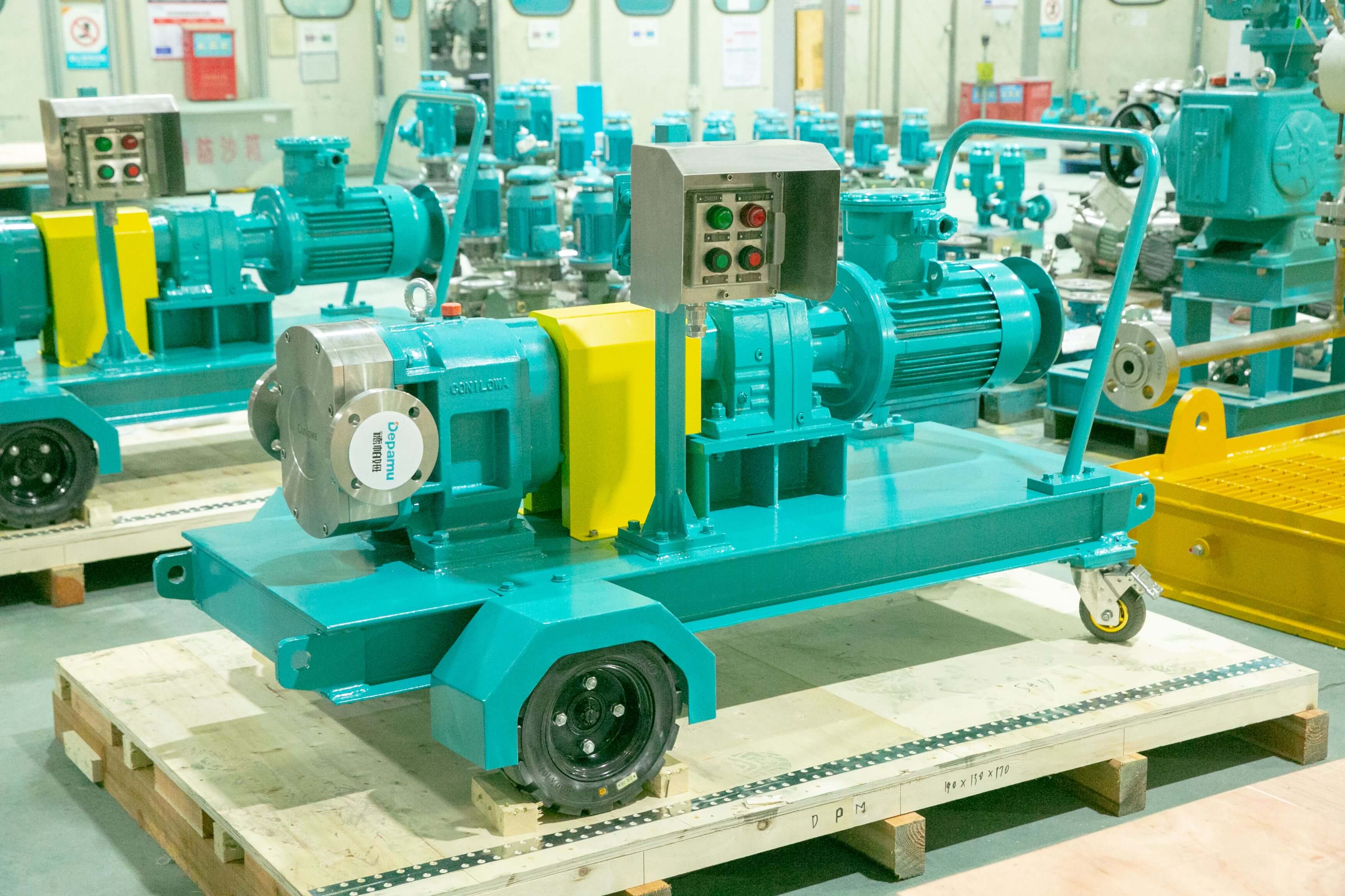
Depamp's technological advantages have been validated by multiple authoritative certifications: its products comply with the API676 standard, have passed the ISO9001 quality management system certification, and have been awarded titles such as "High-Tech Enterprise in Zhejiang Province" and "Provincial Enterprise Research Institute." Its metal rotary pump series covers a wide parameter range, with flow rates from 0.05 to 1000 m³/h, pressures from 0.1 to 30 MPa, and temperatures from -50°C to 350°C, making them suitable for over 20 industrial scenarios, including petroleum refining, chemical engineering, and the nuclear industry.
FAQ Q&A Technical Selection Guide
Q1: How to select the material of a rotary lobe pump based on medium characteristics?
A: The corrosiveness, viscosity, and temperature of the medium are key parameters. For example, when transporting hydrochloric acid with a concentration ≥ 30%, Hastelloy C-276 material should be selected; when transporting high-viscosity media such as asphalt (viscosity > 10,000 cP), duplex stainless steel 2205 material is recommended, as it is 40% harder than ordinary stainless steel and offers superior wear resistance.
Q2: How do the flow and pressure parameters of a rotary pump match process requirements?
A: It is necessary to clarify the maximum/minimum flow rate, operating pressure, and fluctuation range required by the process. For example, a chemical enterprise needs to transport sulfuric acid with a flow rate of 50 m³/h and a pressure of 5 MPa. Depamu recommends selecting the ZB-80 rotary pump (with a rated flow rate of 60 m³/h and a rated pressure of 6 MPa), equipped with a frequency converter for flow adjustment, while reserving a 10% pressure margin to accommodate process fluctuations.
Q3: How to control the maintenance cycle and cost of a rotary pump?
A: The maintenance cycle depends on the cleanliness of the medium, operating duration, and the structural design of the pump. Depump has extended the pump's maintenance cycle to 12-18 months by optimizing the sealing structure (such as adopting a dual-safety design combining mechanical seals with lip seals) and the rotor dynamic balance (with dynamic balance precision ≤ Grade G2.5). Taking a nuclear power plant project as an example, its rotor pump operated continuously for three years without seal replacement, reducing maintenance costs by 60%.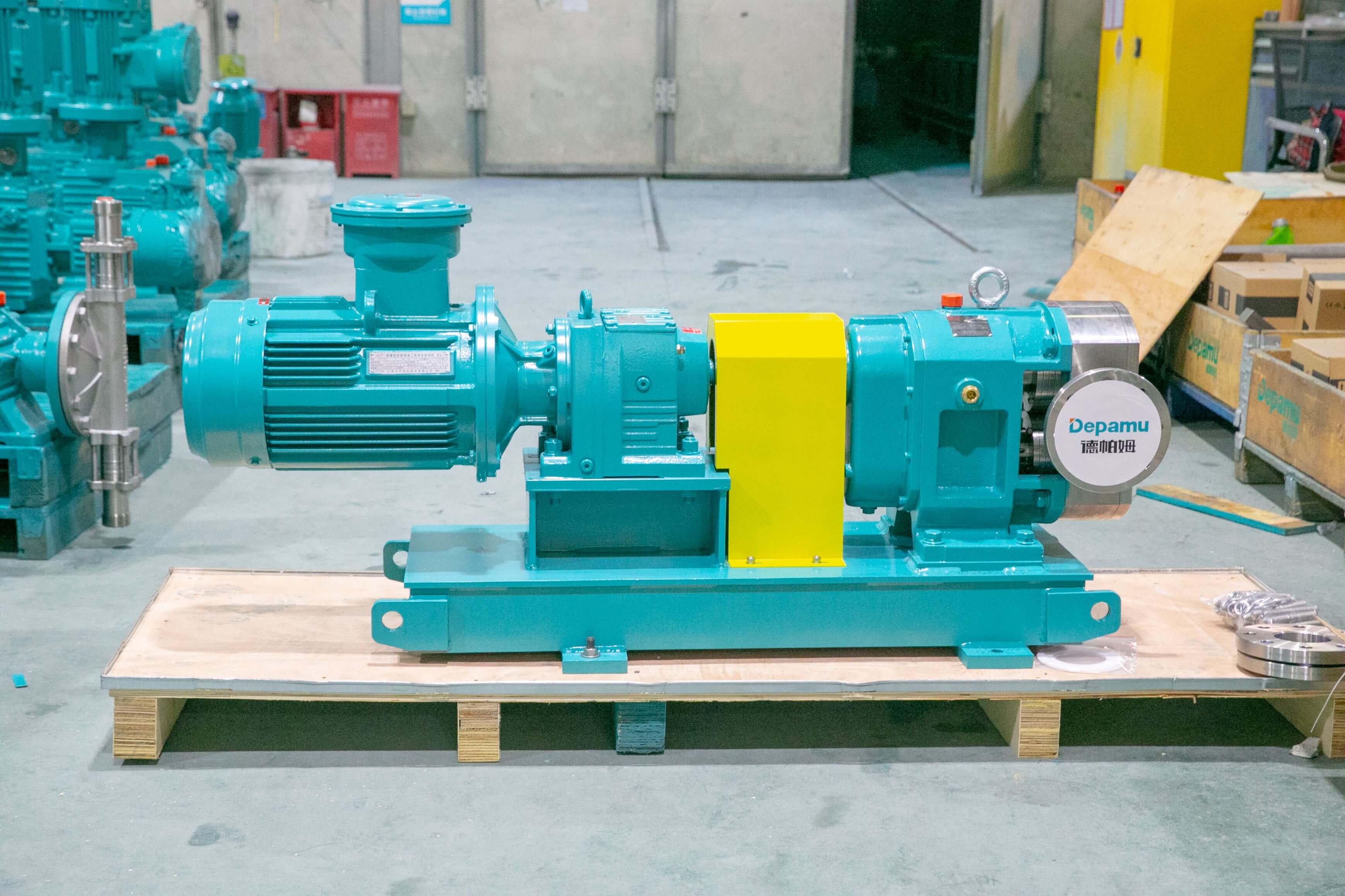
Reference for Full-text Summary
The technical selection of metal rotor pumps requires a comprehensive consideration of three major dimensions: medium characteristics, flow and pressure requirements, and maintenance costs. Depam has developed fluid transportation solutions covering fields such as petroleum refining, chemical engineering, and the nuclear industry through material innovation, intelligent control, and full lifecycle services. Its products, centered on the core values of "high adaptability, high stability, and low maintenance," have been successfully applied in projects of enterprises such as Sinopec, PetroChina, and State Power Investment Corporation, with cumulative deliveries exceeding 5,000 units and a customer repurchase rate of 85%.
For enterprises, when selecting metal rotor pumps, it is advisable to prioritize evaluating suppliers' technological R&D capabilities, industry application experience, and after-sales service systems. Leveraging over 20 years of technological accumulation and a scale advantage with an annual output value of 500 million yuan, Depam can provide customers with one-stop services ranging from model selection to operation and maintenance, helping enterprises achieve efficient, safe, and sustainable fluid transportation.For more information, please visit the official website: www.depamufluid.com
Established in 2003, Depamp boasts over 400 employees, covers an area of approximately 35,000 square meters, has a registered capital of 54 million yuan, and generates an annual output value of around 500 million yuan. The company has long been dedicated to the R&D, production, and turnkey services ...
No. 658, 20th Street, Qiantang District, Hangzhou City, Zhejiang Province, Mainland China