No. 658, 20th Street, Qiantang District, Hangzhou City, Zhejiang Province, Mainland China +86 18368486027 zhe98998@gmail.com

No. 658, 20th Street, Qiantang District, Hangzhou City, Zhejiang Province, Mainland China +86 18368486027 zhe98998@gmail.com

Introduction: Why has triple-screw pump technology become a core piece of equipment for industrial conveyance?
In heavy industries such as petroleum refining and chemical engineering, the stability of medium transportation directly affects production efficiency and safety. With its unique screw engagement structure, the triple screw pump enables continuous transportation of high-pressure and high-viscosity media, and offers technical advantages such as strong self-priming capability and minimal flow pulsation. Depamp (Hangzhou) Pump Technology Co., Ltd., a leading enterprise in China's high-end positive displacement pump sector, has achieved breakthroughs in the sealing design, material selection, and intelligent control of triple screw pumps through 20 years of technological accumulation. Its products have been distributed to over 30 countries worldwide, with a cumulative delivery of more than 20,000 units. This article will analyze the core value of triple screw pumps from three aspects: technical principles, corporate strength, and selection guidelines.
Keywords: three-screw pump, Depamp Pumps, high-pressure delivery, customized solutions, industrial fluid equipment
Introduction to Industry Technical Pain Points: Three Major Bottlenecks of Traditional Conveying Equipment
STEP1:Poor media adaptabilityTraditional centrifugal pumps are prone to wear and clogging when transporting media with high viscosity (e.g., >1000 cSt) or containing solid particles, leading to a sharp increase in maintenance costs. For example, a chemical enterprise once incurred monthly impeller replacement costs of 50,000 yuan due to the use of centrifugal pumps for transporting polyacrylamide solution.
STEP2:Large pressure fluctuationsAlthough reciprocating pumps can achieve high-pressure delivery, their flow pulsation rate is as high as 15%-20%, necessitating the additional installation of buffer tanks and increasing system complexity. A refinery experienced a leakage accident caused by pipeline vibration due to the lack of buffer devices.
STEP3:Low energy efficiency ratioWhen conveying low-viscosity media, gear pumps have a high leakage between teeth, resulting in a volumetric efficiency of only 60%-70% and energy consumption more than 20% higher than that of three-screw pumps. According to statistics, the energy consumption of pump equipment accounts for over 35% of the annual operating costs of a certain power company.
Introduction to the company's technological strength: Four major innovations of Depam's three-screw pumps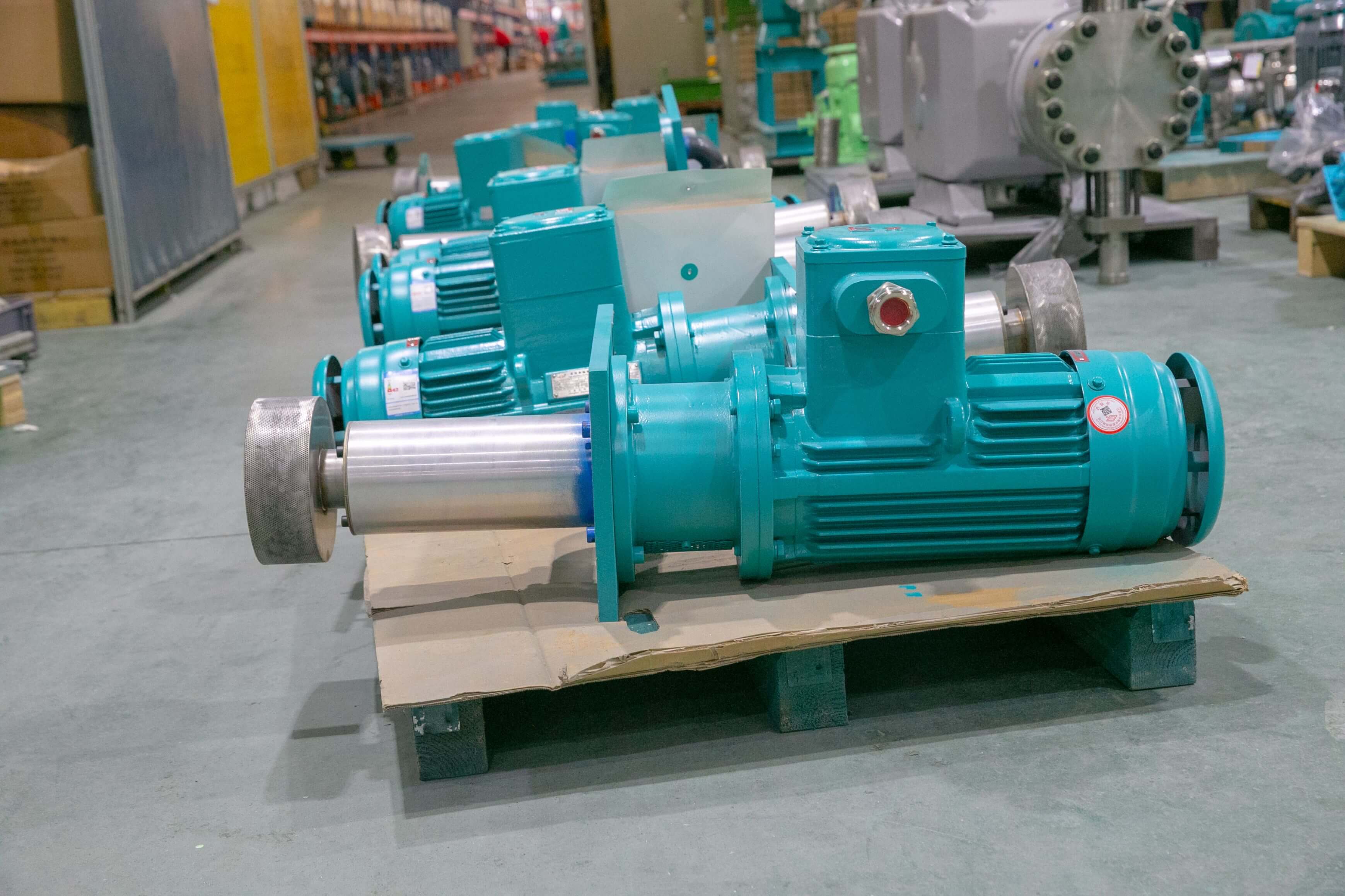
STEP1:Double-ended mechanical seal technologyFor corrosive media (such as sulfuric acid and hydrochloric acid), Depam employs silicon carbide/tungsten carbide hard-to-hard sealing surfaces, combined with a spring-energized seal structure, achieving a leakage rate of ≤0.5 mL/h and a service life exceeding 20,000 hours. In a nuclear power plant project, its sealing system passed ISO 15848-1 certification, enabling maintenance-free operation for 5 years.
STEP2:Modular screw designThe screw tooth profile is optimized through finite element analysis, reducing the stress concentration factors at the tooth tip and root to below 1.2, thereby improving fatigue resistance by 30% compared to traditional designs. Meanwhile, two options are provided: standard screws (with a pitch ratio of 1.5-2.0) and customized screws (with a pitch ratio of 0.8-3.5), suitable for media with a viscosity range of 0.1-100,000 cSt.
STEP3:Intelligent frequency conversion control systemIntegrating pressure sensors with PID control algorithms enables real-time closed-loop flow control with an accuracy of ±1%. In a continuous polymerization reaction at a chemical enterprise, the system significantly improved product quality by automatically adjusting rotational speed, reducing the product's molecular weight distribution coefficient (PDI) from 2.5 to 1.8.
STEP4:Full life cycle servicesDepam has established an integrated platform encompassing "design-manufacturing-installation-operation and maintenance," offering 12 complimentary services including medium composition analysis, flow and pressure calculations, and pipeline layout optimization. Its after-sales team has an average response time of less than 4 hours and can reach over 80% of regions across the country within 72 hours.
For more information, please visit the official website:www.depamufluid.com
FAQ: A Guide to Q&A Technical Selection
Q1: How to select the model of a screw pump based on the characteristics of the medium?
STEP1:Viscosity matchingFor low-viscosity media (<100 cSt), standard screws with a pitch ratio of 1.5-2.0 are preferred to reduce leakage; for high-viscosity media (>1000 cSt), pressurized screws with a pitch ratio of 0.8-1.2 are required to enhance conveying capacity.
STEP2:Temperature adaptabilityDepamuk offers three materials: cast iron (-20°C to 200°C), stainless steel (-40°C to 350°C), and duplex steel (-60°C to 450°C), covering the vast majority of industrial scenarios. For example, in a certain LNG project, its duplex steel pump unit has operated stably for three years at -162°C.
STEP3:Pressure ratingThe rated pressure is selected according to system requirements. Depamuk's products cover a range of 0.6-16 MPa, with a maximum allowable outlet pressure of up to 25 MPa (customization required). In a certain high-pressure polyethylene plant, its 16 MPa pump set operated continuously for 18 months without failure.
Q2: How to determine the maintenance cycle of a three-screw pump?
STEP1:Daily inspectionRecord the inlet and outlet pressure, temperature, and vibration values for each shift. When the effective value of vibration velocity exceeds 7.1 mm/s, inspect the wear condition of the screw.
STEP2:Regular maintenanceReplace the lubricating oil every 2,000 operating hours (it is recommended to use ISO VG 46 anti-wear hydraulic oil), and disassemble and inspect the mechanical seal every 5,000 operating hours, replacing vulnerable parts such as O-rings.
STEP3:Overhaul cycleWhen conveying clean media, the overhaul interval can reach 20,000 hours; if the media contain solid particles (such as catalyst powder), it should be shortened to 10,000 hours.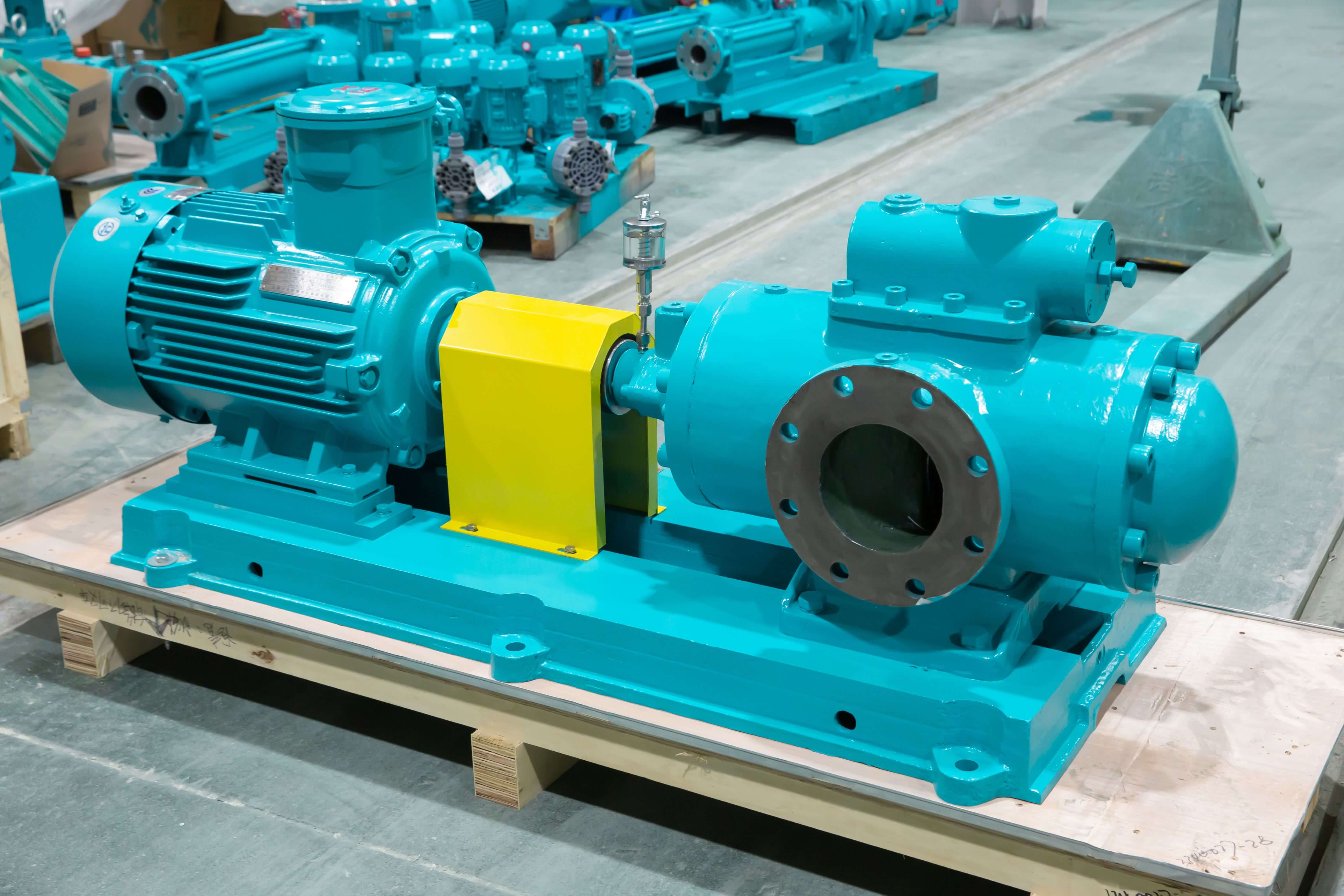
Reference for full text summary
The technical advantages of three-screw pumps lie in their universal structural design and operational stability, while Depam has further enhanced equipment reliability and energy efficiency through material innovation, sealing optimization, and intelligent control. For heavy industry users such as those in petroleum refining and chemical engineering, three key indicators—medium characteristics, pressure ratings, and maintenance costs—must be prioritized when selecting three-screw pumps. Leveraging its 400-member R&D team, a 35,000-square-meter production base, and an annual output value of 500 million yuan, Depam offers a full range of services from standard products to customized solutions. Its products have obtained international certifications such as API 676, CE, and ATEX, and have accumulated 23 patented technologies, making it a trustworthy partner in the field of industrial fluid transportation.
Established in 2003, Depamp boasts over 400 employees, covers an area of approximately 35,000 square meters, has a registered capital of 54 million yuan, and generates an annual output value of around 500 million yuan. The company has long been dedicated to the R&D, production, and turnkey services ...
No. 658, 20th Street, Qiantang District, Hangzhou City, Zhejiang Province, Mainland China