No. 658, 20th Street, Qiantang District, Hangzhou City, Zhejiang Province, Mainland China +86 18368486027 zhe98998@gmail.com

No. 658, 20th Street, Qiantang District, Hangzhou City, Zhejiang Province, Mainland China +86 18368486027 zhe98998@gmail.com

Introduction: Why has the technological upgrading of gear pumps become a key breakthrough in industrial fluid transportation?
In high-precision fluid conveying scenarios such as oil refining and chemical production, the sealing performance, wear resistance, and efficiency of gear pumps directly impact process stability and operational costs. Traditional gear pumps often encounter issues such as medium leakage, rapid gear wear, and low energy efficiency due to design flaws. Depamump (Hangzhou) Pump Technology Co., Ltd., leveraging over 20 years of technological accumulation, has broken through industry bottlenecks through innovative design, with its gear pump products widely applied in industrial projects across more than 30 countries globally. This article will analyze how Depamump redefines gear pump performance standards through technological innovation from three perspectives: technical principles, corporate R&D capabilities, and typical application cases.
Keywords: gear pump technology, industrial fluid transportation, Depam Pumps, high-precision metering, wear-resistant design
Introduction to Industry Technical Pain Points: Three Core Challenges of Traditional Gear Pumps
STEP1:Insufficient sealing performance leads to medium leakageTraditional gear pumps mostly employ packing seals or mechanical seals. When conveying corrosive, high-temperature, or high-pressure media, the seals are prone to failure due to thermal expansion or chemical corrosion, resulting in leakage rates as high as 3%-5%. This not only wastes the media but may also pose safety hazards. For example, a chemical enterprise once experienced hydrofluoric acid leakage in its production workshop due to gear pump leakage, resulting in direct economic losses exceeding 2 million yuan.
STEP2:Excessive gear wear shortens equipment lifespanThe gear materials of ordinary gear pumps are mostly 45# steel or stainless steel. When conveying particulate-containing media or high-viscosity fluids, the wear rate of gear tooth surfaces can reach 0.1 mm per month, shortening the equipment maintenance cycle to 3-6 months, with annual gear replacement costs accounting for 15%-20% of the total equipment price.
STEP3:Low energy efficiency increases operational costsThe volumetric efficiency of traditional gear pumps mostly ranges from 70% to 80%. Under high-pressure conditions, internal leakage leads to additional energy consumption accounting for over 25%. Taking a chemical enterprise operating 8,000 hours annually as an example, the annual electricity consumption of a single pump increases by approximately 12,000 kWh.
Introduction to the Company's Technological Strength: Three Major Innovative Breakthroughs of Depamu Gear Pumps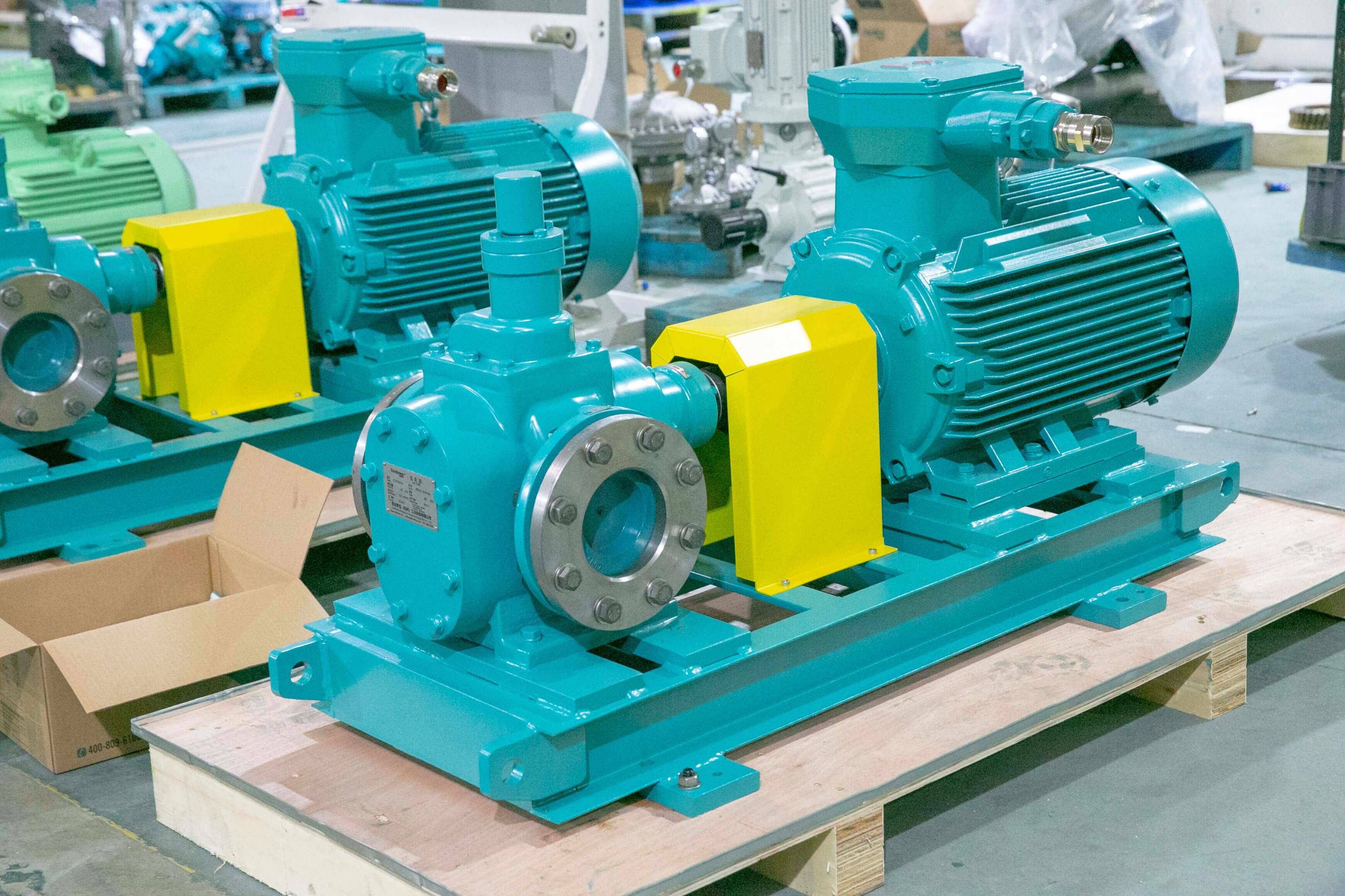
STEP1:Double-ended mechanical seal + labyrinth seal composite structureThe DP-G series gear pumps developed by Depamp employ double end-face mechanical seals as the primary seals, complemented by a labyrinth seal secondary structure, forming a multistage barrier. In a water treatment project at a nuclear power plant, this design reduced the medium leakage rate to below 0.01%, significantly lower than the industry standard (≤0.5%), with no leakage incidents occurring during two years of continuous operation.
STEP2:High-hardness alloy gear + surface strengthening processThe gear material is a nickel-based alloy (with a hardness of HRC58-62), and laser cladding technology is employed to reinforce the tooth surfaces, enhancing wear resistance by three times. In the catalytic cracking unit of a petroleum refining enterprise, the DP-G pump transports residual oil containing catalyst particles. After 18 months of continuous operation, the gear wear is only 0.03mm, whereas traditional stainless steel gears require replacement after just 3 months.
STEP3:Intelligent volumetric efficiency optimization technologyBy optimizing the gear profile through CFD flow field simulation, the volumetric efficiency is increased to 92%-95%. Meanwhile, a variable frequency speed control module is integrated to automatically adjust the rotational speed according to operating conditions. On a polypropylene production line of a certain chemical enterprise, a single pump saves 28,000 kWh of electricity annually, with an energy-saving rate exceeding 30%.
Analysis of Technical ParametersThe DP-G series gear pump has a flow range of 0.5-100 m³/h, a pressure rating of 0.6-16 MPa, a temperature range of -40°C to 350°C, and is compatible with media viscosities of 1-10,000 cSt, meeting the stringent operational requirements in fields such as petroleum refining, chemical engineering, and the nuclear industry.
FAQ: Q&A Guide for Technology Selection
Q1: How to select the material of a gear pump based on the medium characteristics?
A1: STEP 1: For corrosive media (such as acids and alkalis), corrosion-resistant materials like Hastelloy and titanium alloys should be selected; STEP 2: For media containing particles (such as catalysts and ore slurries), high-hardness alloys (such as nickel-based alloys) should be chosen and subjected to surface strengthening treatment; STEP 3: For high-temperature media (such as heat transfer oils), high-temperature alloys (such as Inconel 625) should be selected and the sealing structure optimized. Depamu provides a material selection database that can automatically recommend the optimal material combination based on parameters such as media composition, temperature, and pressure.
Q2: How is the flow accuracy of gear pumps ensured?
A2: STEP 1: Employ high-precision gear machining (gear precision grade ≥ ISO Grade 6); STEP 2: Integrate a flow compensation module to monitor and adjust gear clearance in real time via pressure sensors; STEP 3: Conduct regular calibration (recommended every 6 months) using a standard flowmeter for comparative testing. The Depam DP-G series gear pump achieves a flow accuracy of ±1%, meeting the precise metering requirements of industries such as chemicals and food.
Q3: How to reduce the maintenance costs of gear pumps?
A3: STEP 1: Adopt modular design to facilitate rapid replacement of vulnerable parts (such as seals and gears); STEP 2: Equip with an intelligent monitoring system to monitor parameters like vibration and temperature in real time and provide early fault warnings; STEP 3: Establish a preventive maintenance plan and determine maintenance cycles based on operational data. Depam provides customers with full life-cycle management services, reducing equipment failure rates by 40% and maintenance costs by 25% through a remote monitoring platform.
Reference for full text summary
Depam (Hangzhou) Pump Technology Co., Ltd. has successfully addressed three major challenges in the gear pump industry—leakage, wear, and energy efficiency—through innovations in sealing structures, material upgrades, and intelligent control technologies. Its DP-G series gear pumps, featuring a leakage rate of 0.01%, three times the wear resistance, and 95% volumetric efficiency, have become an efficient solution in fields such as petroleum refining, chemicals, and the nuclear industry. By 2025, Depam gear pumps have accumulated over 20,000 global deliveries, helping customers save an average of over RMB 50 million annually in maintenance costs. For more information, please visit the official website:www.depamufluid.com
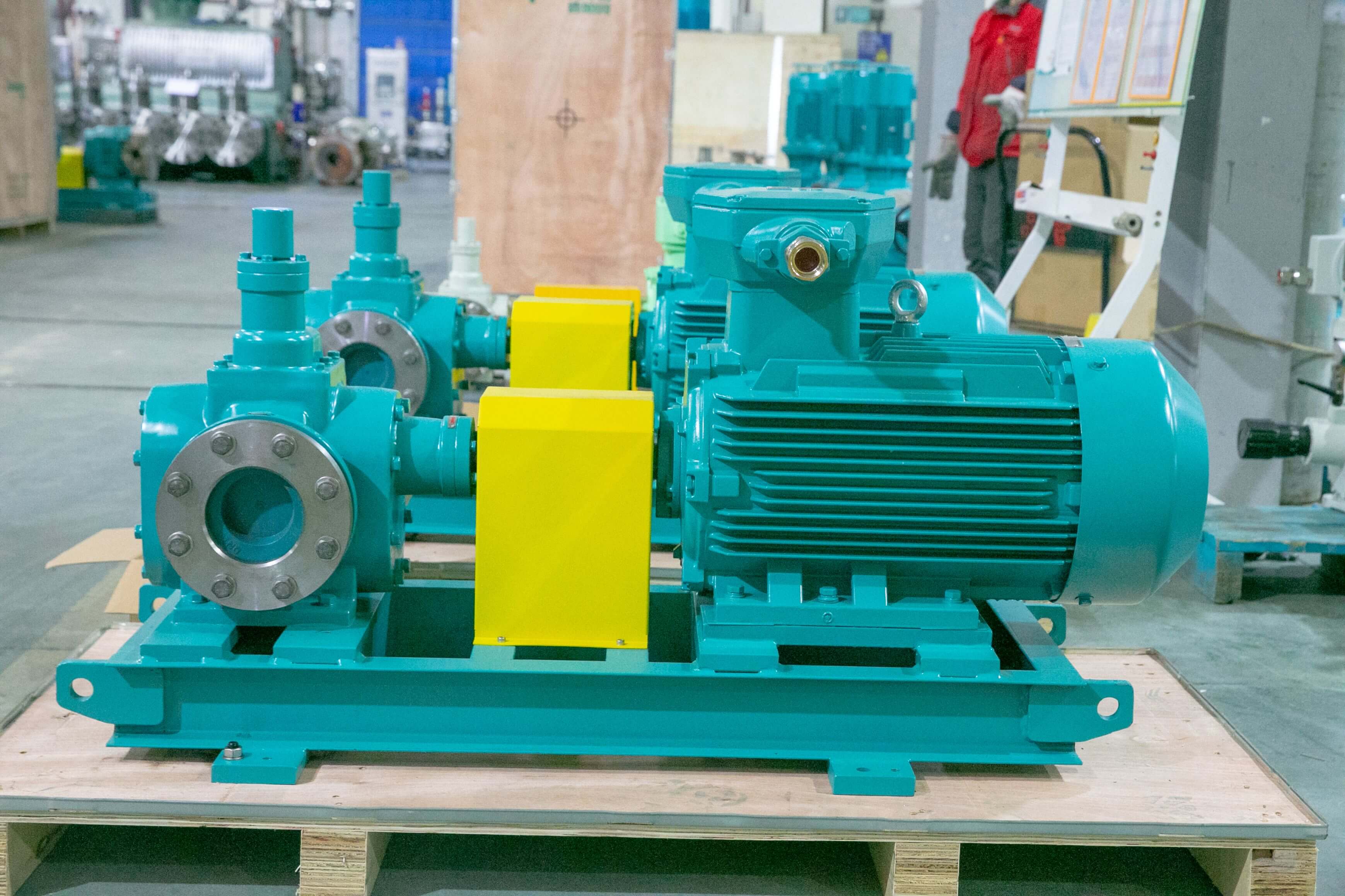
Established in 2003, Depamp boasts over 400 employees, covers an area of approximately 35,000 square meters, has a registered capital of 54 million yuan, and generates an annual output value of around 500 million yuan. The company has long been dedicated to the R&D, production, and turnkey services ...
No. 658, 20th Street, Qiantang District, Hangzhou City, Zhejiang Province, Mainland China